

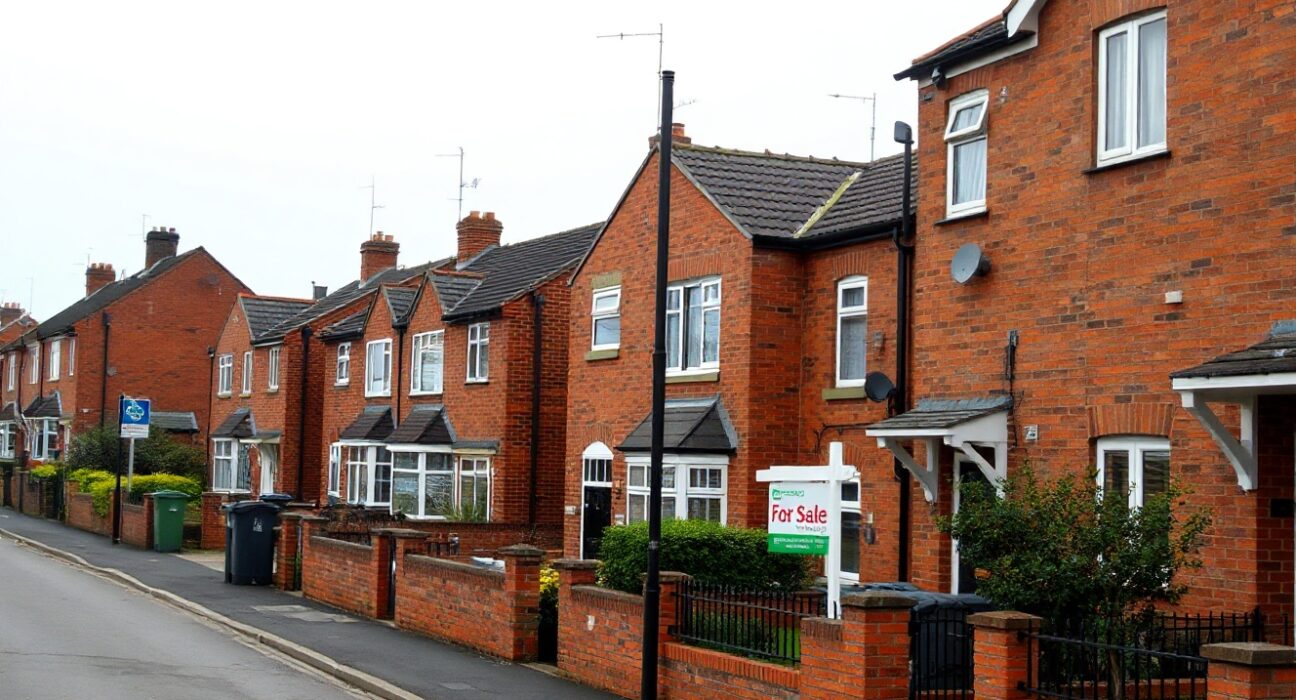
UK house prices rose by just 0.1% year-on-year in July, according to the Lloyds House Price Index, falling short of the 0.4% growth expected by economists. The data, released today, indicates a continued slowdown in the housing market, with prices remaining essentially flat compared to the same period last year.
What the Lloyds Index Shows
The Lloyds House Price Index, which is based on Halifax data, measures the average price of homes in the UK. In July, the annual growth rate was 0.1%, down from a revised 0.4% in June. On a monthly basis, prices increased by 0.3% from June to July, but the annual figure is what analysts watch closely for underlying trends.
The index, which has been published for decades, is considered a reliable indicator of UK housing market conditions. It is based on mortgage approvals and valuations, providing a broad picture of price movements across the country.
Why the Miss Matters
The lower-than-expected annual growth suggests that the housing market is cooling faster than anticipated. High interest rates, which have been held at 5.25% by the Bank of England, continue to squeeze affordability for prospective buyers. Mortgage rates remain elevated, and the cost-of-living crisis has reduced consumer confidence.
According to recent data from Nationwide, house prices have also been under pressure, with its index showing a 0.2% annual fall in July. The combination of these indicators points to a market that is stabilizing at a lower level, rather than rebounding.
Regional Variations
The Lloyds index also highlights regional disparities. While some areas, particularly in the North West and Scotland, have seen modest growth, others, such as London and the South East, have experienced declines. This divergence is typical in a market where affordability constraints are more acute in higher-priced regions.
Implications for Buyers and Sellers
For potential buyers, the flat price growth may offer some relief, but affordability remains a major barrier. Sellers, on the other hand, may need to adjust their price expectations to attract offers in a slower market. The data suggests that the market is not collapsing, but it is also not providing the capital appreciation that many homeowners have become accustomed to.
Conclusion
The July Lloyds House Price Index confirms that the UK housing market is in a period of stagnation, with prices barely moving on an annual basis. While the monthly increase offers a glimmer of stability, the overall trend is one of caution. As interest rates remain high and economic uncertainty persists, the market is likely to remain subdued in the coming months.
FAQs
Q1: What is the Lloyds House Price Index?
The Lloyds House Price Index is a monthly report produced by Lloyds Banking Group, based on Halifax data, that tracks the average price of homes in the UK. It is one of the longest-running and most comprehensive indicators of UK house price trends.
Q2: Why did house prices miss expectations in July?
The annual growth of 0.1% was below the expected 0.4% due to persistently high interest rates, which have reduced buyer demand and kept affordability pressures high. The market is cooling as a result of tighter monetary policy.
Q3: How does this affect the housing market outlook?
The flat annual growth suggests that the market is stabilizing at a lower level, with little prospect of significant price increases in the near term. Buyers may find more negotiating power, while sellers may need to price realistically to secure sales.
Disclaimer: The information provided is not trading advice, Bitcoinworld.co.in holds no liability for any investments made based on the information provided on this page. We strongly recommend independent research and/or consultation with a qualified professional before making any investment decisions.
