

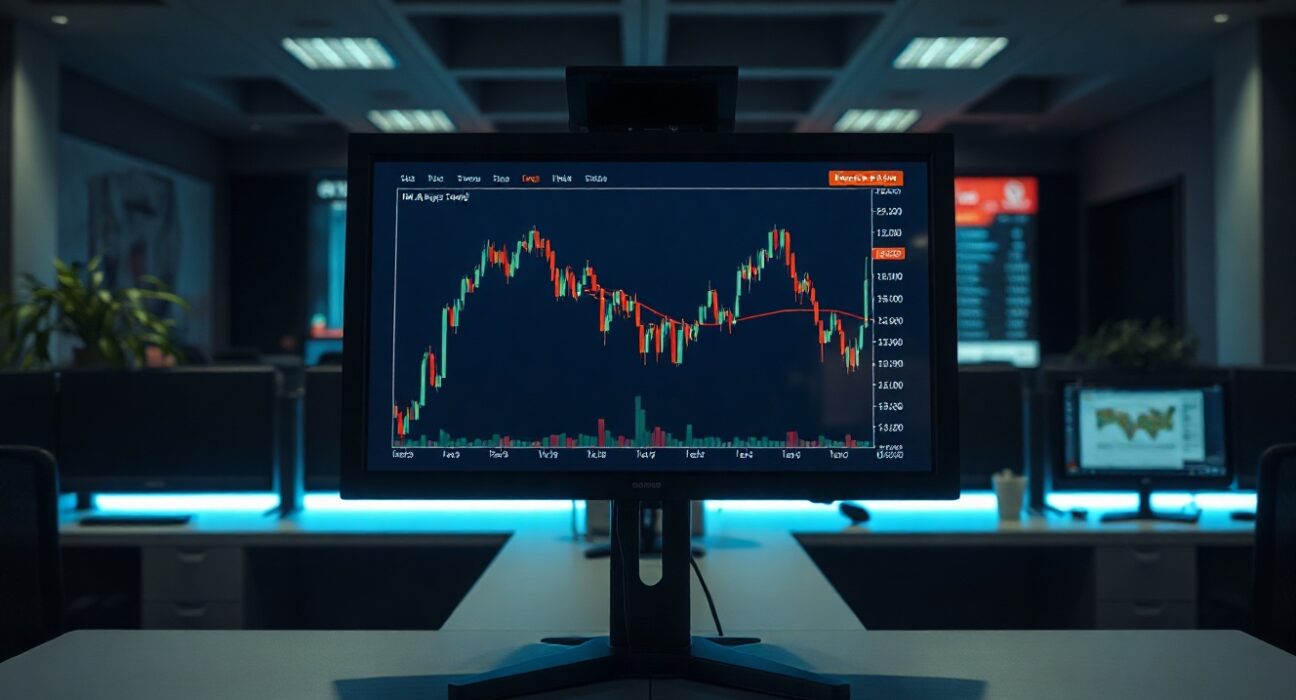
The US Dollar Index (DXY) continues to trade within a narrow range, with renewed hopes for a diplomatic resolution to tensions with Iran capping safe-haven demand for the greenback, according to a note from DBS Group Research. The index, which measures the dollar against a basket of six major currencies, has struggled to break out of its recent consolidation pattern as traders weigh geopolitical developments against a backdrop of mixed economic data.
Geopolitical Calm Weighs on Dollar Demand
Analysts at DBS highlighted that the dollar’s inability to gain traction stems partly from easing geopolitical risk premiums. Reports of progress in indirect talks between the US and Iran have reduced the immediate threat of supply disruptions in the Middle East, lowering the urgency for investors to seek refuge in the dollar. Historically, the greenback benefits from global uncertainty, but the prospect of de-escalation has diminished that appeal in recent sessions.
Technical Picture: Consolidation with No Clear Catalyst
From a technical perspective, the DXY has been oscillating between support near 103.50 and resistance around 104.50 for several weeks. DBS noted that without a clear macroeconomic or geopolitical catalyst, the range-bound pattern is likely to persist. The Federal Reserve’s cautious stance on interest rate cuts has provided some underlying support for the dollar, but this has been offset by softer US retail sales and manufacturing data that suggest the economy is cooling.
What This Means for Traders
For currency traders, the current environment offers limited directional opportunities. The dollar’s range-bound behavior means breakout strategies carry higher risk, and short-term moves are likely to be driven by headlines rather than fundamentals. DBS advises monitoring Iran-related news closely, as any setback in talks could trigger a sharp, albeit temporary, rally in the dollar. Conversely, a confirmed peace deal could accelerate the dollar’s decline, particularly against commodity-linked currencies like the Australian and Canadian dollars.
Broader Market Implications
The dollar’s stalemate also has implications for other asset classes. A weaker dollar typically supports gold prices and emerging market equities, while a stronger dollar pressures them. With the DXY stuck in neutral, markets are looking to upcoming US inflation data and Federal Reserve speeches for direction. Until then, the range-bound trade is expected to continue.
Conclusion
The US Dollar Index remains caught between opposing forces: geopolitical optimism that reduces safe-haven demand and a Federal Reserve that is in no rush to ease policy. DBS’s analysis underscores that until a clear catalyst emerges, the DXY is likely to remain in its current range. Traders should stay alert to Iran-related headlines, which could provide the next directional impulse.
FAQs
Q1: What is the US Dollar Index (DXY)?
The US Dollar Index (DXY) measures the value of the US dollar relative to a basket of six major foreign currencies: the euro, Japanese yen, British pound, Canadian dollar, Swedish krona, and Swiss franc. It is a widely used benchmark for the dollar’s overall strength.
Q2: Why do Iran peace hopes affect the US dollar?
Geopolitical tensions, such as conflicts involving Iran, often drive investors toward safe-haven assets like the US dollar. Hopes for peace reduce that risk premium, lowering demand for the dollar as a safe store of value.
Q3: What does ‘range-bound’ mean in forex trading?
A range-bound market occurs when an asset’s price oscillates between a defined support and resistance level without breaking out in either direction. It indicates a lack of strong buying or selling pressure and often requires a catalyst for a breakout.
Disclaimer: The information provided is not trading advice, Bitcoinworld.co.in holds no liability for any investments made based on the information provided on this page. We strongly recommend independent research and/or consultation with a qualified professional before making any investment decisions.
