

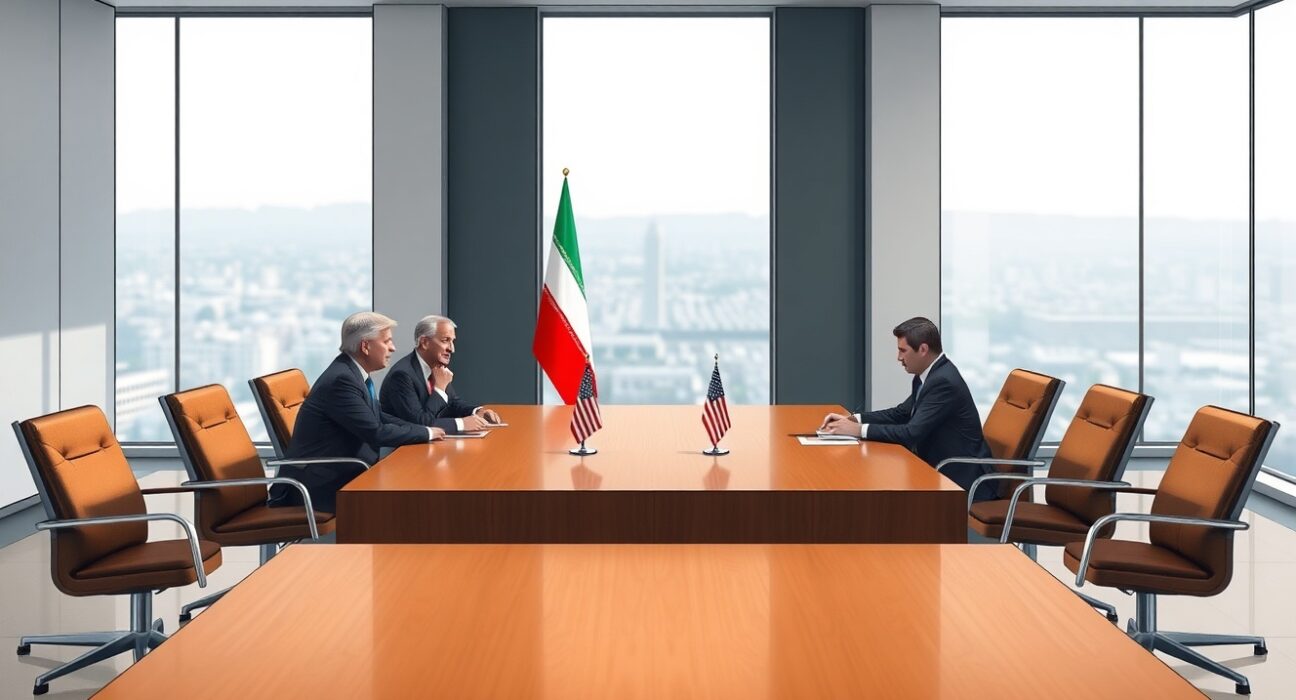
In a significant diplomatic development, U.S. Special Envoys Steve Witkoff and Jared Kushner are scheduled to participate in a meeting with Iranian Foreign Minister Abbas Araghchi. This high-level engagement, first reported by CNN, signals a potential shift in the trajectory of U.S.-Iran relations. The talks aim to address long-standing disputes over Iran’s nuclear program and regional influence.
U.S. Envoys Witkoff and Kushner Lead the Diplomatic Charge
The involvement of Witkoff and Kushner underscores the Trump administration’s direct approach to foreign policy. Witkoff, a real estate investor turned diplomat, brings a business-oriented perspective. Kushner, the former senior advisor, has a track record of brokering the Abraham Accords. Their joint participation suggests a strategy that combines economic incentives with political leverage.
These envoys will likely focus on a comprehensive framework. This framework could include sanctions relief for Iran. In return, Iran must verifiably limit its uranium enrichment activities. The talks represent a high-stakes gamble. Success could reshape Middle Eastern geopolitics. Failure could escalate tensions further.
Background of the Iran Nuclear Deal and Current Stalemate
The 2015 Joint Comprehensive Plan of Action (JCPOA) limited Iran’s nuclear program. In exchange, it provided sanctions relief. The United States withdrew from the deal in 2018. This withdrawal led Iran to exceed enrichment limits. Subsequent negotiations in Vienna failed to restore the agreement. The current stalemate has brought the region to a precarious point.
Iran now enriches uranium to 60% purity. This level is close to weapons-grade. The International Atomic Energy Agency (IAEA) reports a lack of full cooperation. These developments increase the urgency for a diplomatic solution. The meeting with Araghchi offers a potential off-ramp.
Key Players and Their Stakes
Each participant enters the talks with distinct objectives. For the U.S., the primary goal is preventing a nuclear-armed Iran. For Iran, the aim is lifting crippling economic sanctions. Regional powers like Saudi Arabia and Israel watch closely. They have their own security concerns. The outcome will influence their own foreign policies.
- Steve Witkoff: Focuses on economic frameworks and investment opportunities.
- Jared Kushner: Leverages his experience in Middle East peace deals.
- Abbas Araghchi: A seasoned diplomat, seeks to secure Iran’s interests.
Expert Analysis on the Potential Outcomes
Foreign policy experts offer mixed views on the talks. Dr. Sarah Miller, a Middle East scholar at the Atlantic Council, states, “This meeting is a crucial test. Both sides must show flexibility. The window for diplomacy is narrowing.” Other analysts point to the lack of trust. Past agreements have collapsed. New commitments require robust verification mechanisms.
The economic dimension is equally critical. Iran’s economy suffers under sanctions. Inflation is high, and oil exports are limited. A successful deal could unlock billions in frozen assets. This would provide immediate relief for the Iranian public. However, hardliners in both countries oppose concessions.
Timeline of Key Events
A brief timeline contextualizes the current talks:
| Date | Event |
|---|---|
| 2015 | JCPOA signed between Iran and P5+1. |
| 2018 | U.S. withdraws from the deal. |
| 2021 | Vienna talks begin, then stall. |
| 2025 | Witkoff and Kushner meet with Araghchi. |
Global Implications of the U.S.-Iran Talks
The talks have far-reaching consequences. A successful agreement could stabilize global oil markets. It would reduce the risk of a regional war. Conversely, failure could lead to increased Iranian aggression. This might involve proxy conflicts in Yemen or Syria. It could also accelerate nuclear development.
European allies support the diplomatic track. They have maintained the JCPOA framework. Russia and China also have interests in the outcome. They could either facilitate or obstruct the process. The talks are a focal point for international attention.
Conclusion
The scheduled meeting between U.S. envoys Witkoff, Kushner, and Iranian Foreign Minister Araghchi represents a critical juncture. These U.S. envoys bring a unique blend of business acumen and political experience. The success of these talks depends on mutual concessions and verifiable commitments. The world watches as diplomacy attempts to bridge a deep divide. The outcome will shape Middle Eastern security for years to come.
FAQs
Q1: Who are Steve Witkoff and Jared Kushner?
A1: Steve Witkoff is a U.S. real estate investor and special envoy. Jared Kushner is a former senior advisor to President Trump. Both are leading the diplomatic engagement with Iran.
Q2: What is the main goal of the talks with Iran?
A2: The primary goal is to negotiate a new agreement that limits Iran’s nuclear program in exchange for sanctions relief. This aims to prevent Iran from developing nuclear weapons.
Q3: Where are the talks taking place?
A3: The specific location has not been officially confirmed. However, such talks often occur in neutral venues like Geneva, Vienna, or Doha.
Q4: Why is the Iranian nuclear program a concern?
A4: Iran’s enrichment of uranium to 60% purity brings it close to weapons-grade material. The IAEA has expressed concerns about undeclared nuclear activities.
Q5: How might these talks affect oil prices?
A5: A successful deal could lead to increased Iranian oil exports, potentially lowering global oil prices. Failure could keep prices volatile due to geopolitical risks.
Disclaimer: The information provided is not trading advice, Bitcoinworld.co.in holds no liability for any investments made based on the information provided on this page. We strongly recommend independent research and/or consultation with a qualified professional before making any investment decisions.
