
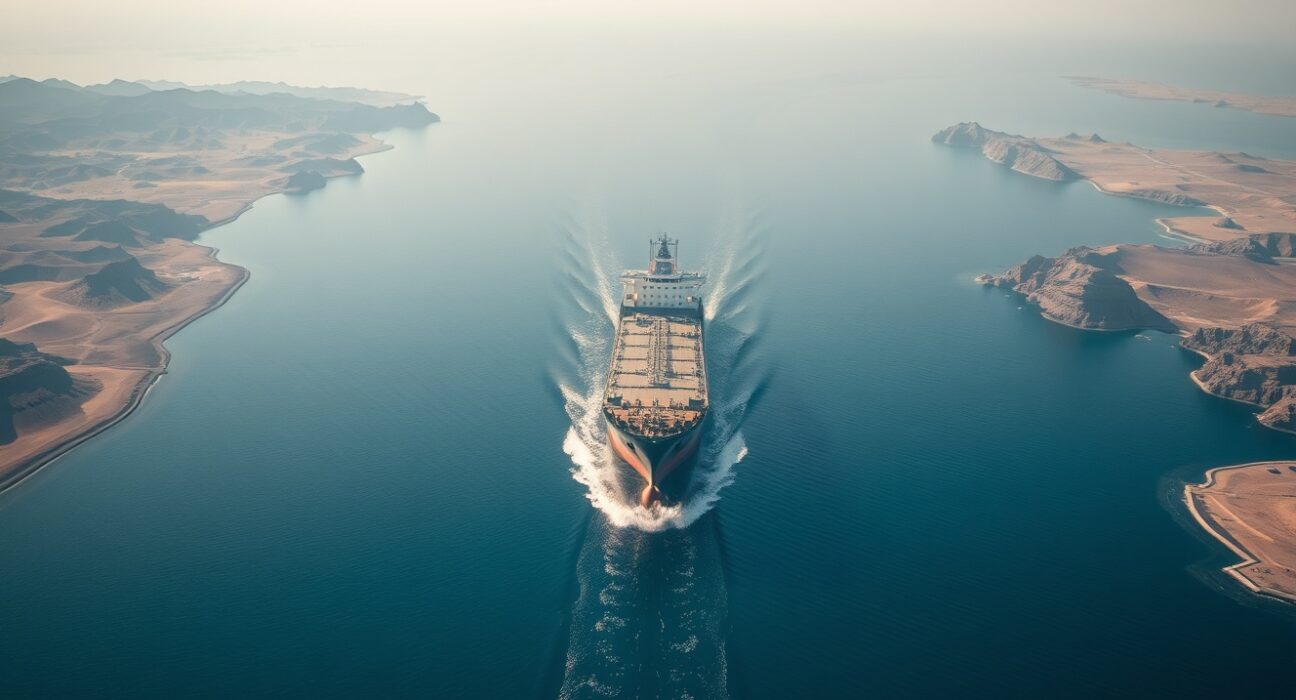
In a significant development for global energy markets and Middle East stability, the United States and Iran are engaged in high-stakes discussions regarding a potential ceasefire aimed at reopening the Strait of Hormuz, according to a recent report from Axios. This narrow maritime passage, a chokepoint for roughly one-fifth of the world’s seaborne oil, has been a persistent flashpoint amid regional tensions. Consequently, these talks represent a pivotal diplomatic effort with profound implications for international trade and security.
Strait of Hormuz Talks Signal Potential Geopolitical Shift
The reported discussions follow a period of heightened naval activity and rhetorical clashes in the Persian Gulf. For decades, the strait has served as the world’s most critical oil transit corridor. Moreover, its closure or significant disruption would trigger immediate global economic shockwaves. The Axios report, citing informed sources, indicates that dialogue channels between Washington and Tehran have been active, focusing on de-escalation measures specifically tied to maritime security.
Analysts point to several converging factors that may have spurred these negotiations. Firstly, sustained high oil prices continue to pressure global economies. Secondly, regional security incidents have raised the operational costs for commercial shippers and naval forces alike. Finally, both nations likely recognize the mutual economic devastation a full-blown conflict in the waterway would cause. Therefore, a temporary ceasefire could provide a crucial window for broader diplomatic engagement.
Historical Context of the Strategic Waterway
Understanding the current talks requires examining the strait’s long history of tension. The waterway, only 21 nautical miles wide at its narrowest point, separates Iran from the Arabian Peninsula. It is the only sea passage from the Persian Gulf to the open ocean. Consequently, nations like Saudi Arabia, Iraq, the UAE, Kuwait, and Qatar depend entirely on it for their oil exports.
Key historical incidents include:
- The Tanker War (1980-1988): During the Iran-Iraq War, both sides attacked commercial shipping, leading to significant international naval intervention.
- 2019 Tensions: A series of tanker seizures and attacks, which the U.S. blamed on Iran, sharply increased insurance premiums for vessels.
- Ongoing Naval Patrols: The U.S. Fifth Fleet, based in Bahrain, alongside allied forces, maintains a constant presence to ensure freedom of navigation.
Expert Analysis on Diplomatic Motives
Dr. Anisa Karimi, a senior fellow at the Center for Strategic and International Studies, notes the talks’ delicate nature. “While a ceasefire focused on the Strait of Hormuz is a tactical confidence-building measure, it does not resolve underlying strategic disputes,” she explains. “However, it directly addresses a tangible, global economic concern. This creates a rare area of overlapping interest where both sides can demonstrate goodwill without compromising core positions.”
Furthermore, military strategists highlight the operational risks. Rear Admiral John Carlson (Ret.), a former commander of U.S. Naval Forces Central Command, states, “The environment is inherently risky. A single miscalculation by a fast-attack craft or a misidentified radar signature could escalate rapidly. A formal understanding on protocols and communication would reduce this ‘fog of war’ significantly.”
Potential Global Economic Impacts of Reopening
The immediate effect of a stable and fully reopened Strait of Hormuz would be felt in global energy markets. Analysts predict a swift correction in the “security premium” baked into current oil prices. According to data from the International Energy Agency (IEA), a prolonged secure transit period could lower global benchmark prices by 5-10%.
The impact would cascade through the supply chain:
- Shipping Costs: War risk insurance premiums, which can add millions to a single voyage, would likely decrease.
- Consumer Prices: Lower crude costs would eventually translate to reduced prices for gasoline, diesel, and other petroleum products.
- Market Stability: Traders and refiners could plan with greater certainty, reducing speculative volatility.
The following table outlines the strait’s critical role in global energy flows:
| Metric | Volume/Percentage | Source (2024 Est.) |
|---|---|---|
| Oil Flow per Day | 20.5 million barrels | U.S. Energy Information Administration |
| Global Seaborne Oil Trade | ~21% | International Energy Agency |
| Liquefied Natural Gas (LNG) Trade | ~20% | International Gas Union |
Challenges and Roadblocks to a Lasting Agreement
Despite the reported talks, significant obstacles remain. The core geopolitical rivalry between the U.S. and Iran, encompassing nuclear proliferation, regional proxy conflicts, and sanctions, provides a fraught backdrop. Any ceasefire would need clear terms, verification mechanisms, and enforcement protocols to be credible.
Potential challenges include:
- Verification: Establishing mutually acceptable methods to monitor compliance without compromising intelligence sources.
- Scope: Defining whether the ceasefire applies only to state naval forces or also encompasses allied militant groups with maritime capabilities.
- Linkage: Avoiding a scenario where a breach in other theaters, like Syria or Yemen, automatically nullifies the maritime agreement.
Regional allies, particularly Israel and the Gulf Cooperation Council (GCC) states, will also scrutinize any deal. They will seek assurances that enhanced maritime security does not come at the cost of empowering Iran’s broader regional ambitions. Therefore, diplomacy must balance narrow and broad security interests simultaneously.
Conclusion
The reported ceasefire discussions between the United States and Iran concerning the Strait of Hormuz underscore the waterway’s indispensable role in the global economy. While fraught with diplomatic complexity, a successful agreement would deliver immediate benefits by lowering energy costs and reducing the risk of a catastrophic military incident. Ultimately, the viability of these talks will depend on precise definitions, reliable verification, and the political will to compartmentalize a single issue within a deeply fractured relationship. The world will watch closely, as stability in the Strait of Hormuz remains a bellwether for both regional peace and global economic health.
FAQs
Q1: Why is the Strait of Hormuz so important?
The Strait of Hormuz is the world’s most critical oil transit chokepoint. Approximately 21% of global seaborne petroleum trade passes through this narrow waterway, making it essential for the energy supplies of Asia, Europe, and beyond.
Q2: What would a US-Iran ceasefire for the strait involve?
While details are not public, such a ceasefire would likely involve mutual commitments to avoid harassing commercial shipping and military vessels, establish communication channels to prevent miscalculations, and potentially define rules of engagement for naval forces in the area.
Q3: How would reopening the strait affect oil prices?
Increased certainty of safe passage typically reduces the “geopolitical risk premium” in oil prices. Analysts suggest secure transit could lower global benchmark crude prices by 5-10% by reducing insurance costs and supply fears.
Q4: Have there been previous attempts to secure the Strait of Hormuz?
Yes. The International Maritime Security Construct (IMSC), a coalition led by the U.S., was formed in 2019 to enhance security. However, this is a military patrol mission, not a bilateral diplomatic agreement with Iran like the currently reported talks.
Q5: What are the biggest risks to these ceasefire talks?
The primary risks are a lack of trust between the parties, an incident elsewhere in the region that derails negotiations, and disagreements over how to verify compliance or define prohibited activities in the waterway.
Disclaimer: The information provided is not trading advice, Bitcoinworld.co.in holds no liability for any investments made based on the information provided on this page. We strongly recommend independent research and/or consultation with a qualified professional before making any investment decisions.