

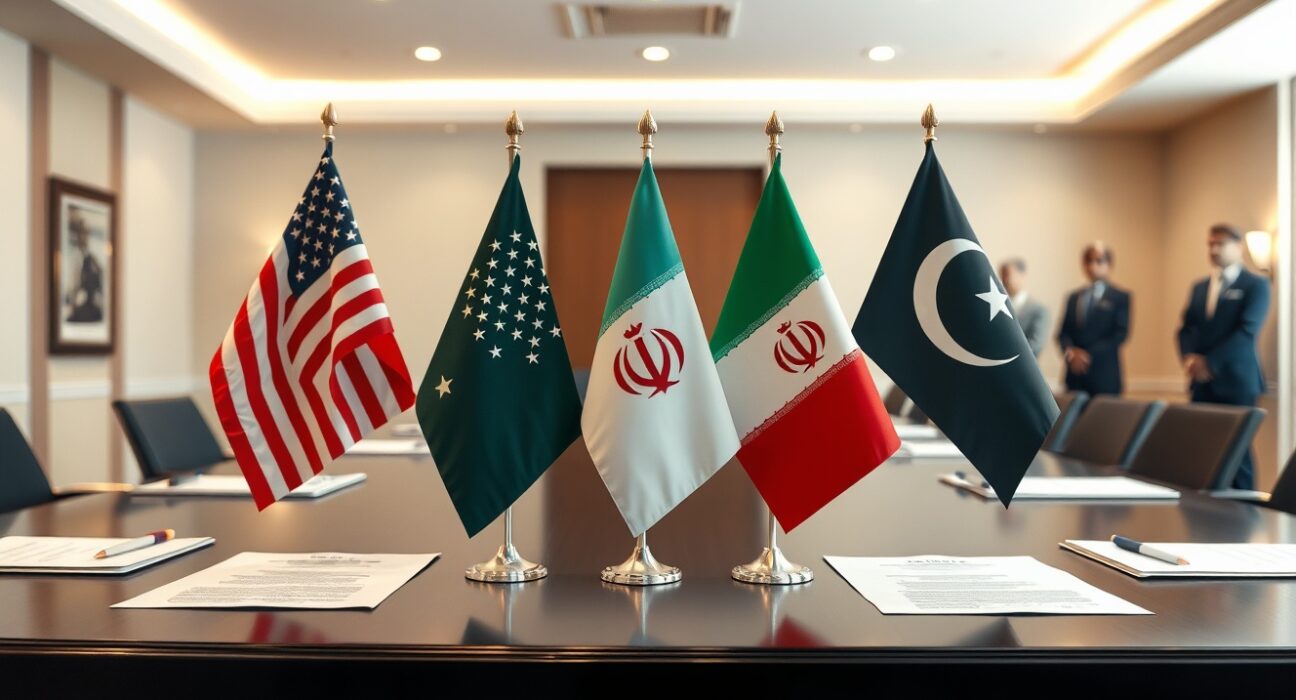
In a significant diplomatic breakthrough, the United States and Iran have reportedly reached the final draft of an agreement, with an official announcement expected within hours, according to Iran’s ILNA news agency, citing Al Arabiya TV. The negotiations, mediated by Pakistan, mark a potential turning point in longstanding tensions between the two nations.
Key Provisions of the Draft Agreement
The draft, as reported, outlines several critical measures aimed at de-escalating regional conflicts and restoring stability. The core provisions include an immediate and comprehensive ceasefire on all fronts, a mutual commitment not to target infrastructure, and guaranteed freedom of navigation in the Persian Gulf and the Strait of Hormuz under a joint monitoring system. Additionally, the agreement stipulates a phased lifting of sanctions against Iran, conditional on its implementation of the agreement’s provisions, and mandates the commencement of negotiations on unresolved issues within a maximum of seven days.
Pakistan’s Mediating Role and Regional Context
Pakistan’s involvement as a mediator underscores its growing diplomatic influence in the region. The country has historically maintained ties with both the US and Iran, positioning it as a credible intermediary. This development comes amid heightened regional tensions, including ongoing conflicts in the Middle East and concerns over maritime security in critical waterways. The agreement’s focus on freedom of navigation directly addresses one of the most pressing issues for global trade, as the Strait of Hormuz is a vital chokepoint for oil and gas shipments.
Implications for Sanctions and Economic Relations
The phased lifting of sanctions represents a major incentive for Iran, potentially unlocking billions of dollars in frozen assets and allowing for renewed international trade. However, the conditional nature of this relief ensures that Iran must demonstrate compliance with the agreement’s terms. This structure mirrors previous nuclear deals, aiming to build trust through verifiable actions. For global markets, the prospect of reduced geopolitical risk and increased oil supply stability could influence energy prices and investor sentiment.
Conclusion
As the world awaits the official announcement, the draft agreement signals a potential de-escalation of US-Iran tensions and a step toward broader regional stability. The coming hours will be critical in confirming the details and assessing the commitment of both parties to the terms. If implemented, this agreement could reshape diplomatic dynamics in the Middle East and provide a framework for resolving other contentious issues.
FAQs
Q1: What is the role of Pakistan in this agreement?
Pakistan acted as a mediator between the US and Iran, facilitating the negotiations that led to the final draft. Its diplomatic ties with both nations made it a suitable intermediary.
Q2: How will the sanctions relief work?
The agreement proposes a phased lifting of sanctions against Iran, which will be contingent on Iran’s compliance with the agreement’s provisions, including the ceasefire and navigation guarantees.
Q3: What is the significance of the Strait of Hormuz in this agreement?
The Strait of Hormuz is a critical maritime chokepoint for global oil and gas shipments. The agreement guarantees freedom of navigation there under a joint monitoring system, reducing the risk of disruptions to global energy supplies.
Disclaimer: The information provided is not trading advice, Bitcoinworld.co.in holds no liability for any investments made based on the information provided on this page. We strongly recommend independent research and/or consultation with a qualified professional before making any investment decisions.
