

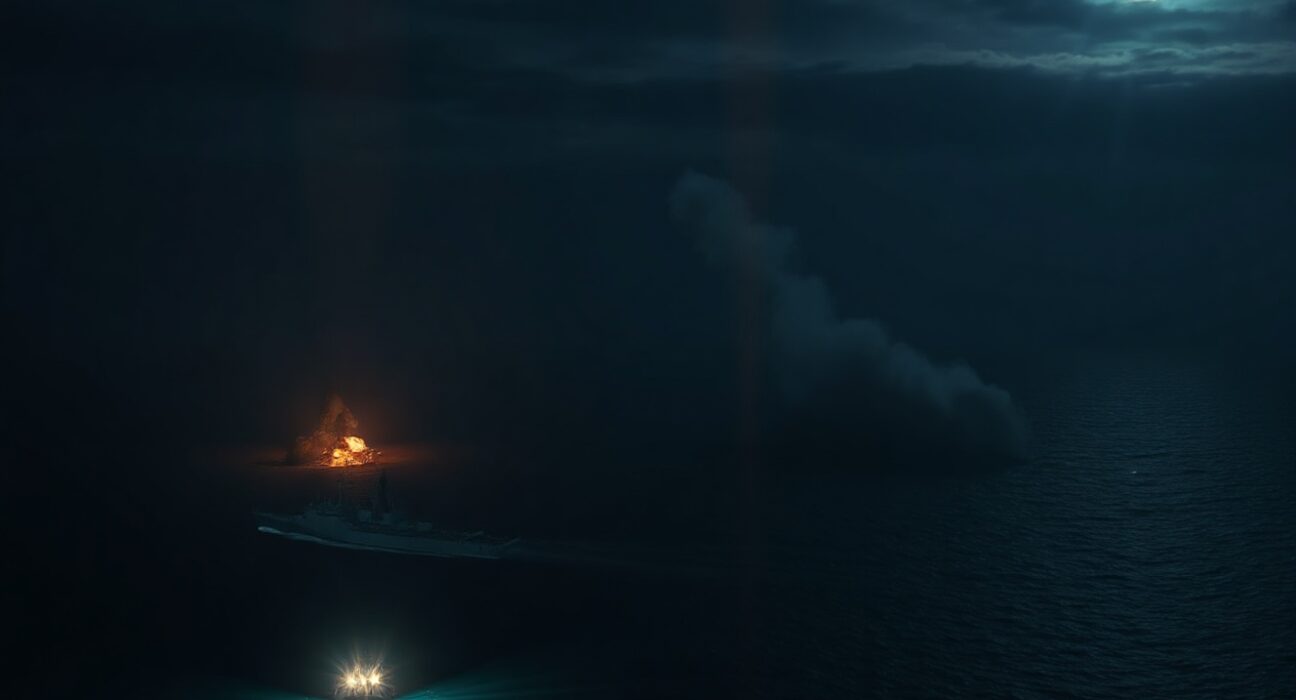
U.S. Central Command (CENTCOM) confirmed on July 8 that American forces have conducted a sweeping two-day military operation against Iran, striking approximately 170 military targets in response to attacks on merchant vessels in the Strait of Hormuz. The operation, which began on July 7 and continued through July 8, represents one of the most significant U.S. military actions in the region in recent years.
Scope of the Operation
On July 8, U.S. forces targeted around 90 military sites, including air defense systems, coastal surveillance assets, missile and drone storage facilities, naval forces, and military logistics infrastructure. The strikes were designed to degrade Iran’s ability to threaten commercial shipping in the strategic waterway, through which approximately 20% of the world’s oil passes.
The previous day, July 7, saw strikes on approximately 80 additional targets, including over 60 Islamic Revolutionary Guard Corps (IRGC) small high-speed boats. CENTCOM stated that these vessels had been used to attack three merchant ships transiting the Strait of Hormuz, violating a ceasefire agreement and prompting the U.S. response.
Strategic Implications
The Strait of Hormuz is a critical chokepoint for global energy supplies, and any disruption there has immediate effects on oil prices and international shipping. The U.S. operation signals a firm commitment to maintaining freedom of navigation, even at the risk of escalating tensions with Iran.
CENTCOM emphasized that American forces remain on high alert with robust combat capabilities, ready to conduct further operations as directed by the Commander-in-Chief. This suggests that the U.S. is prepared for a sustained campaign if Iran continues its aggressive actions against civilian vessels.
What This Means for Regional Stability
The strikes come amid a fragile geopolitical landscape in the Middle East. Iran has long used the Strait of Hormuz as leverage in its disputes with the West, and the IRGC’s naval capabilities are a key component of its asymmetric warfare strategy. By targeting high-speed boats and coastal defense systems, the U.S. is directly challenging Iran’s ability to disrupt shipping without engaging in broader conflict.
Analysts note that while the operation is significant, it is calibrated to avoid full-scale war. The focus on military assets rather than nuclear or infrastructure targets suggests a limited, retaliatory mission aimed at deterrence rather than regime change.
Conclusion
The two-day U.S. military operation against Iranian targets in the Strait of Hormuz represents a major escalation in the ongoing confrontation over maritime security. With 170 targets struck, including IRGC naval forces and air defense systems, the United States has sent a clear message that attacks on commercial shipping will not go unanswered. The situation remains fluid, and further developments are expected as CENTCOM continues to monitor the region.
FAQs
Q1: Why did the U.S. strike Iranian targets?
The strikes were in response to Iranian attacks on three merchant ships passing through the Strait of Hormuz, which violated a ceasefire agreement. The U.S. aimed to degrade Iran’s ability to threaten civilian vessels and commercial shipping.
Q2: How many targets were hit over the two days?
Approximately 170 military targets were struck. On July 7, around 80 targets were hit, including over 60 IRGC small high-speed boats. On July 8, about 90 additional targets were struck, including air defense systems, missile storage facilities, and naval infrastructure.
Q3: What is the significance of the Strait of Hormuz?
The Strait of Hormuz is a narrow waterway between Iran and Oman through which about 20% of the world’s oil passes. It is a critical chokepoint for global energy supplies, and any disruption there can cause oil price spikes and economic instability.
Disclaimer: The information provided is not trading advice, Bitcoinworld.co.in holds no liability for any investments made based on the information provided on this page. We strongly recommend independent research and/or consultation with a qualified professional before making any investment decisions.
