

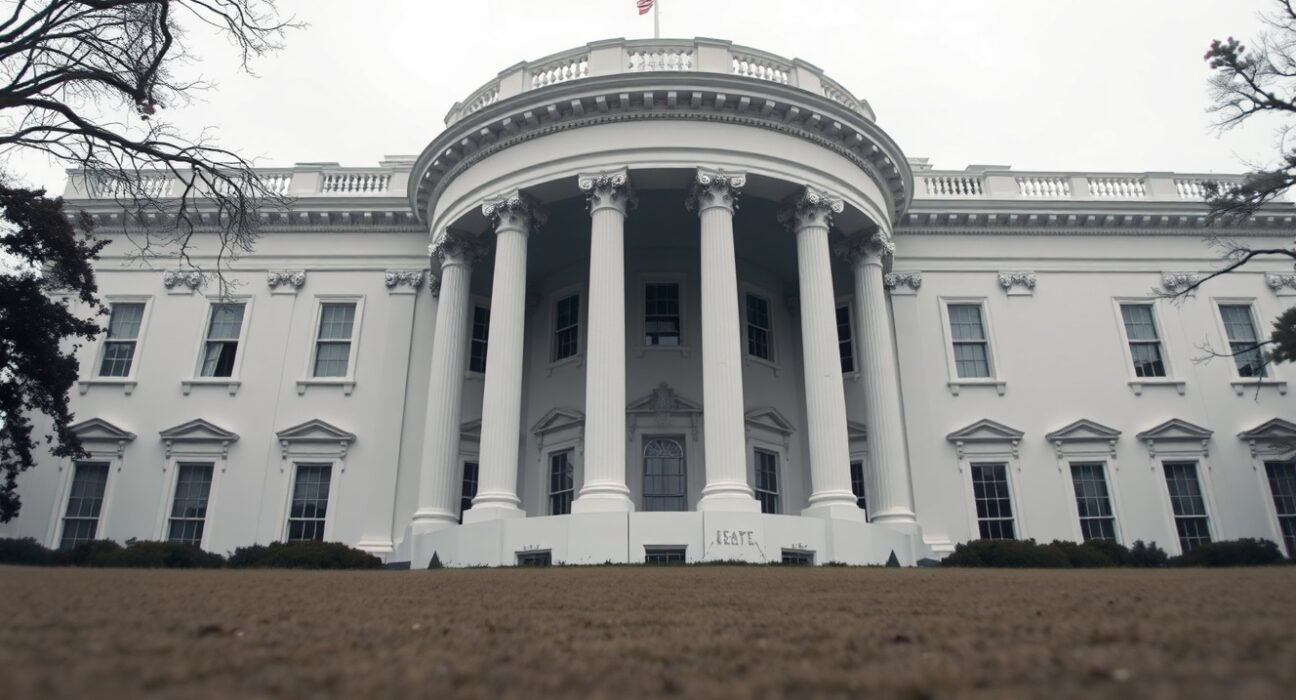
White House economic adviser Kevin Hassett has publicly cautioned against raising interest rates, warning that such a move could undermine the ongoing economic recovery. His remarks, delivered during a press briefing on Tuesday, signal a clear divergence between the Biden administration’s priorities and the Federal Reserve’s recent tightening stance.
Context and Background
Hassett, who serves as a senior counselor to President Biden, stated that ‘raising rates at this juncture would be a mistake,’ emphasizing that the current economic conditions do not warrant aggressive monetary tightening. The statement comes amid a period of elevated inflation and robust job growth, which have prompted the Fed to consider further rate hikes.
The White House’s position reflects a broader concern that higher borrowing costs could slow down consumer spending and business investment, two key drivers of the post-pandemic expansion. Hassett’s comments are notable given his previous roles as Chairman of the Council of Economic Advisers under President Trump, where he advocated for lower rates.
Implications for Monetary Policy
The Federal Reserve has raised interest rates several times over the past year in an effort to curb inflation, which remains above the central bank’s 2% target. However, recent economic data shows signs of a slowdown, with manufacturing activity contracting and consumer confidence dipping.
Hassett’s warning adds to a growing chorus of voices urging the Fed to pause its rate-hiking cycle. Critics argue that the central bank risks overtightening, which could trigger a recession. Supporters of the Fed’s approach maintain that continued action is necessary to prevent inflation from becoming entrenched.
Market Reactions and Expert Views
Financial markets reacted cautiously to Hassett’s comments, with the Dow Jones Industrial Average and S&P 500 both closing slightly lower on the day. Bond yields edged down as traders adjusted expectations for future rate increases.
Economists are divided on the issue. Some, like former Treasury Secretary Lawrence Summers, argue that the Fed must remain vigilant to avoid repeating the mistakes of the 1970s. Others, including Nobel laureate Joseph Stiglitz, contend that the central bank should focus on supply-side solutions rather than demand destruction through higher rates.
Conclusion
Kevin Hassett’s public warning against raising interest rates highlights a key tension between the White House’s pro-growth agenda and the Federal Reserve’s inflation-fighting mandate. As economic data continues to evolve, the debate over the appropriate path for monetary policy is likely to intensify. For now, the administration’s stance provides a clear signal that it prioritizes continued economic expansion over aggressive inflation control.
FAQs
Q1: Why did Kevin Hassett warn against raising interest rates?
A1: Hassett believes that higher rates could slow down the economic recovery, particularly by reducing consumer spending and business investment. He argues that current conditions do not justify further tightening.
Q2: How does the White House’s position differ from the Federal Reserve’s?
A2: The White House is advocating for a pause in rate hikes to support growth, while the Fed has been raising rates to combat inflation. This creates a tension between fiscal and monetary policy objectives.
Q3: What are the potential consequences of raising interest rates too quickly?
A3: Rapid rate increases could lead to a recession by making borrowing more expensive, reducing consumer demand, and potentially triggering a downturn in housing and other interest-sensitive sectors.
Disclaimer: The information provided is not trading advice, Bitcoinworld.co.in holds no liability for any investments made based on the information provided on this page. We strongly recommend independent research and/or consultation with a qualified professional before making any investment decisions.
