

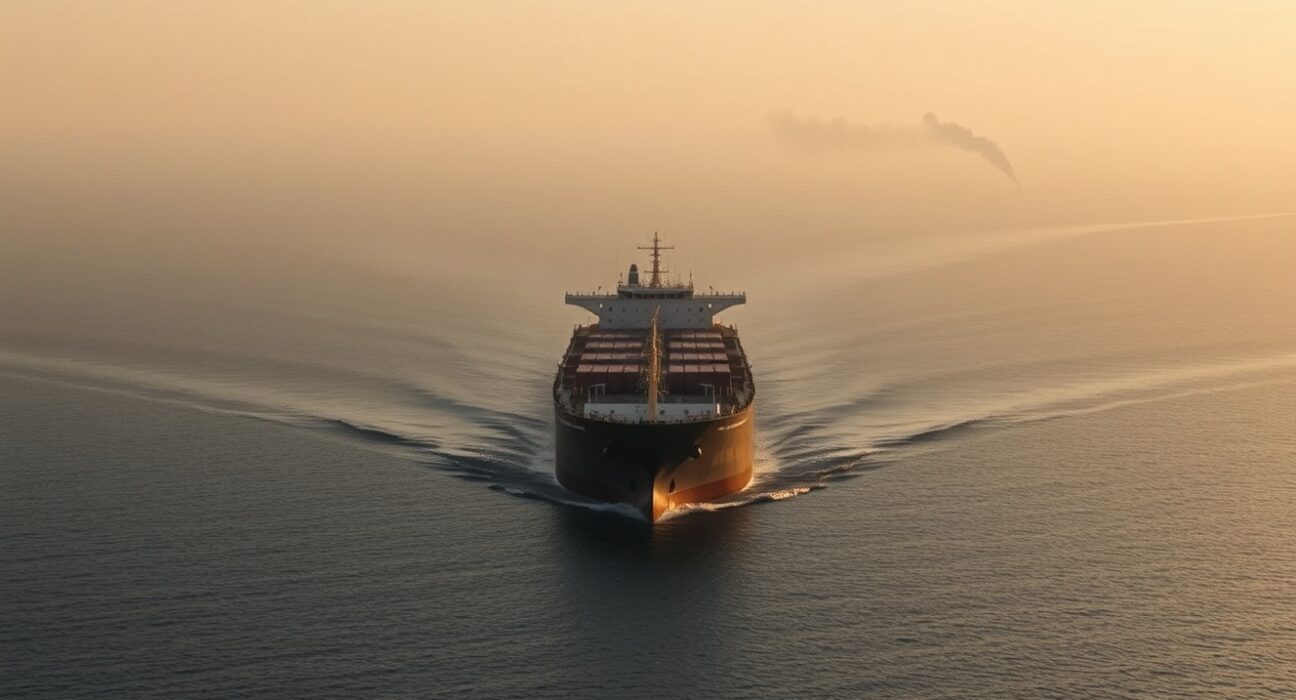
West Texas Intermediate (WTI) crude oil prices surged more than 2% in early trading Monday, as reports of fresh attacks near the Strait of Hormuz reignited fears of a significant disruption to global oil supplies. The strategic chokepoint, through which approximately 20% of the world’s petroleum passes, has once again become a flashpoint for geopolitical tension.
Renewed attacks and immediate market reaction
According to multiple shipping and security sources, a series of small vessel attacks were reported in the waters off the coast of Iran and the United Arab Emirates late Sunday. While no major tanker damage was initially confirmed, the mere proximity of these incidents to the Strait of Hormuz was enough to trigger a sharp risk-off response in energy markets. WTI futures for July delivery rose by $1.85 to settle near $82.40 per barrel, while Brent crude also posted gains of over 1.8%.
The Strait of Hormuz is a narrow 21-mile-wide passage connecting the Persian Gulf to the Gulf of Oman. Any credible threat to shipping there historically causes immediate price spikes, as traders price in the potential for a prolonged supply halt. The latest attacks follow a pattern of intermittent harassment of commercial vessels in the region, often linked to broader geopolitical disputes involving Iran.
Geopolitical context and supply risk
The attacks come at a time when the global oil market is already sensitive to supply constraints. OPEC+ production cuts, ongoing sanctions on Russian crude, and lower inventories in major consuming nations have kept prices elevated. The addition of a supply disruption risk in the Middle East adds a layer of uncertainty that analysts say could push prices higher in the short term.
“The market is reacting to the worst-case scenario,” said energy analyst Sarah Chen of Global Energy Insights. “Even if no oil was actually lost, the psychological impact of attacks near the Strait of Hormuz cannot be overstated. Traders remember the 2019 attacks on Saudi Aramco facilities and the subsequent price spike.”
The United States Navy’s Fifth Fleet, based in Bahrain, has increased patrols in the area, but the effectiveness of these measures in deterring asymmetric attacks remains a question. Iran has denied any involvement in the latest incidents, though regional tensions remain high following stalled nuclear negotiations.
Impact on consumers and broader markets
For consumers, a sustained rise in crude prices translates directly to higher gasoline and heating oil costs. The American Automobile Association (AAA) reported that the national average for a gallon of regular gasoline rose by 3 cents overnight, reflecting the jump in futures. Analysts warn that if the situation escalates, prices at the pump could rise by another 10 to 15 cents per gallon within a week.
Broader financial markets also took note, with energy stocks leading gains on the S&P 500, while airline and transportation stocks slipped on concerns over higher fuel costs. The U.S. dollar edged higher as investors sought safe-haven assets, further complicating the outlook for emerging market economies that rely on imported oil.
Conclusion
Monday’s price action in WTI crude underscores the fragility of global oil supply chains in the face of geopolitical instability. While the immediate impact of the latest attacks appears limited, the market is pricing in a higher risk premium that could persist until there is clear evidence of de-escalation. For now, traders and consumers alike are watching the Strait of Hormuz closely, aware that even a minor incident can have outsized consequences in a tightly balanced market.
FAQs
Q1: Why is the Strait of Hormuz so important for oil prices?
Approximately 20% of the world’s oil passes through the Strait of Hormuz. Any disruption to shipping there can immediately affect global supply and cause prices to spike.
Q2: Did the recent attacks actually damage any oil tankers?
Initial reports indicate that no major tanker damage was confirmed. However, the mere threat of disruption near the chokepoint was enough to trigger a 2% rise in WTI prices.
Q3: How long could the price increase last?
This depends on whether the situation de-escalates or escalates further. If no further incidents occur, prices may stabilize within days. However, any additional attacks or military responses could sustain or amplify the rally.
Disclaimer: The information provided is not trading advice, Bitcoinworld.co.in holds no liability for any investments made based on the information provided on this page. We strongly recommend independent research and/or consultation with a qualified professional before making any investment decisions.
