

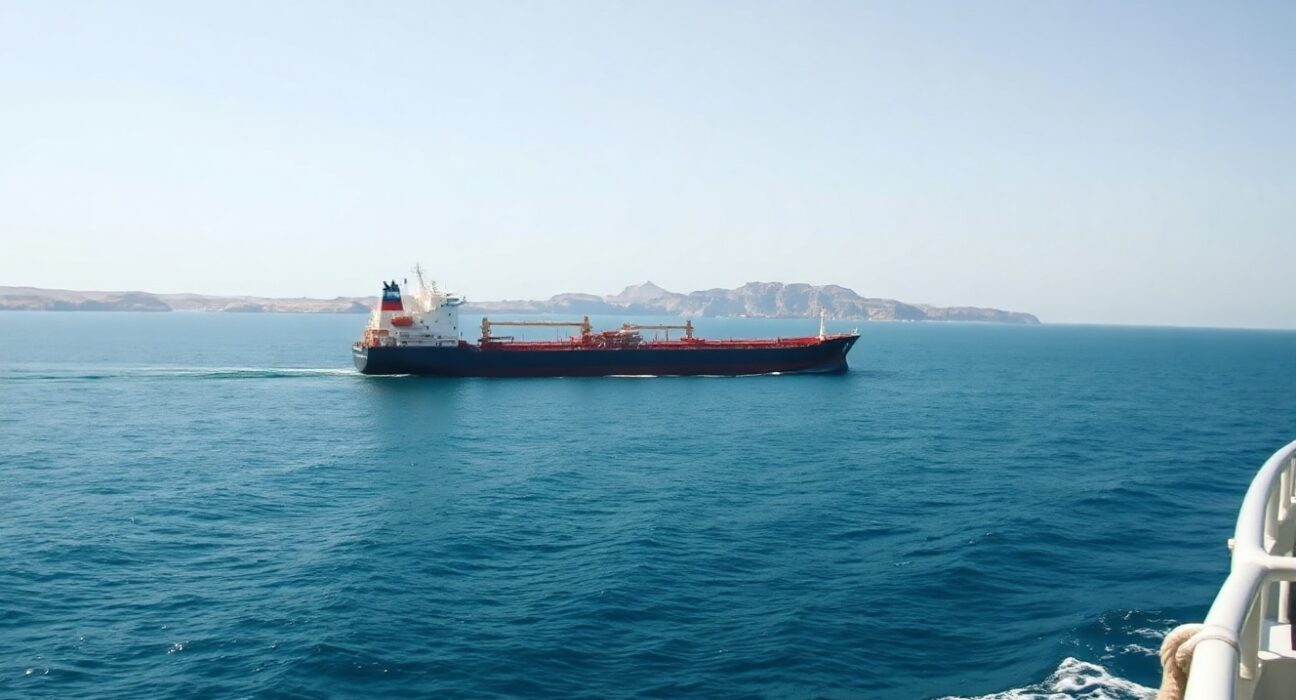
West Texas Intermediate (WTI) crude oil prices fell to their lowest level since March on Tuesday, extending a recent decline as shipping traffic through the strategic Strait of Hormuz gradually returns to normal. The development has eased market fears of a major supply disruption in one of the world’s most critical oil transit chokepoints.
Market Reaction and Price Movement
WTI crude futures for delivery slid below $72 per barrel during intraday trading, marking the weakest price point in over two months. The decline accelerated after reports indicated that tanker traffic through the Strait of Hormuz had resumed at near-normal levels following a period of heightened geopolitical tensions in the region. Brent crude, the international benchmark, also retreated, though losses were more contained.
Context: The Strait of Hormuz and Global Supply
The Strait of Hormuz, located between Iran and Oman, is a narrow waterway through which roughly 20% of the world’s oil passes daily. Any disruption to shipping there has historically triggered sharp price spikes due to the concentration of supply risk. In recent weeks, market participants had priced in a significant disruption premium following regional incidents that raised the prospect of a temporary closure or reduced traffic. The normalization of shipping has prompted traders to unwind those positions.
Why This Matters for Energy Markets
The decline in WTI reflects a broader recalibration of risk in the oil market. While geopolitical tensions in the Middle East remain a persistent background factor, the immediate threat to supply appears to have diminished. This shift is occurring alongside other bearish signals, including rising U.S. crude inventories, softer demand data from key importing nations, and the potential for increased OPEC+ production later this year. For consumers, lower crude prices could translate into modest relief at the pump, though retail gasoline prices are influenced by a range of factors beyond crude costs.
Outlook and Key Factors to Watch
Analysts caution that the situation remains fluid. While shipping has normalized, the underlying geopolitical conditions that led to the disruption risk have not been fully resolved. Traders will be watching for any new developments in the region, as well as weekly U.S. inventory data and demand indicators from Asia. The trajectory of WTI prices in the near term will likely depend on the balance between easing supply fears and any fresh catalysts that could reignite risk premiums.
Conclusion
WTI crude’s slide to its lowest level since March underscores how quickly market sentiment can shift when perceived supply risks recede. The normalization of shipping through the Strait of Hormuz has removed a key source of upward pressure on prices, at least for now. However, the underlying volatility in the region means that the oil market remains susceptible to sudden reversals. Investors and consumers alike should remain attentive to geopolitical developments and broader supply-demand fundamentals.
FAQs
Q1: Why did WTI crude oil prices fall?
A: Prices fell primarily because shipping traffic through the Strait of Hormuz has gradually returned to normal, reducing fears of a major supply disruption. This prompted traders to unwind the risk premium that had been built into prices.
Q2: How significant is the Strait of Hormuz for global oil supply?
A: The Strait of Hormuz is one of the world’s most important oil transit chokepoints, with about 20% of global oil consumption passing through it daily. Any disruption there can have a significant impact on global oil prices.
Q3: What could cause oil prices to rise again?
A: Prices could rise again if geopolitical tensions in the Middle East escalate, if there is a new disruption to shipping, or if supply from major producers is unexpectedly curtailed. Demand-side factors, such as stronger-than-expected economic growth, could also push prices higher.
Disclaimer: The information provided is not trading advice, Bitcoinworld.co.in holds no liability for any investments made based on the information provided on this page. We strongly recommend independent research and/or consultation with a qualified professional before making any investment decisions.
