

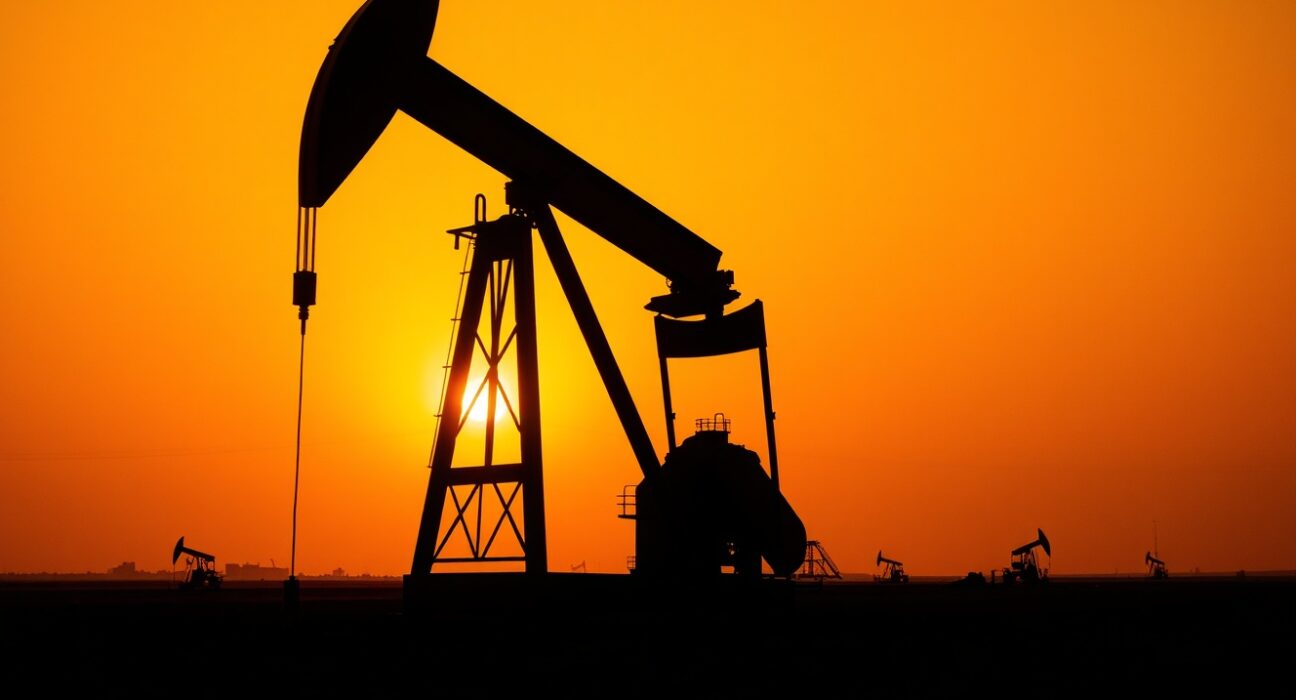
West Texas Intermediate (WTI) crude oil futures rose toward the $89 per barrel mark on Monday, extending gains after reports confirmed Israeli troops had advanced into southern Lebanon. The move marks a significant escalation in the long-running conflict between Israel and Hezbollah, raising fresh concerns over supply disruptions from the broader Middle East region.
Geopolitical trigger behind the price move
Israeli defense officials confirmed ground operations inside Lebanese territory early Monday, targeting Hezbollah positions near the border. The incursion follows weeks of cross-border exchanges and represents the most direct Israeli ground action in Lebanon since 2006. Markets reacted swiftly, with WTI futures jumping over 2% in early trading before stabilizing near $88.80.
Crude oil traders are pricing in a higher risk premium because the conflict involves a major regional power and a well-armed non-state actor. Lebanon itself is not a significant oil producer, but the fighting increases the likelihood of broader instability affecting neighboring oil-producing states or key transit chokepoints such as the Strait of Hormuz.
Supply risk and market context
Oil markets were already tight heading into the third quarter, with OPEC+ maintaining production cuts and global inventories running below seasonal averages. The additional geopolitical uncertainty compounds existing supply constraints. Analysts at several energy consultancies have noted that any disruption to Iranian or Iraqi output—should the conflict widen—could push Brent crude above $95 and WTI into the low $90s.
The current price action mirrors patterns seen during previous Middle East escalations, where crude spikes sharply on headlines but can retrace if no actual supply disruption occurs. However, the physical risk is higher this time because the conflict zone sits close to major energy infrastructure and shipping lanes.
What this means for consumers and markets
For end-users, a sustained rise in crude oil prices translates directly into higher gasoline and diesel costs at the pump. The U.S. national average gasoline price, already above $3.50 per gallon, could climb further if WTI holds above $88. Broader inflation expectations may also firm, potentially influencing Federal Reserve policy decisions in the coming months.
Investors are watching for diplomatic intervention, particularly from the United States and the United Nations, as well as any official statements from OPEC+ regarding potential output adjustments to calm markets.
Conclusion
WTI crude oil’s move toward $89 reflects genuine geopolitical risk rather than speculative froth. The incursion into Lebanon marks a dangerous inflection point in a volatile region. While no immediate supply outages have been reported, the market is pricing in a higher probability of disruption. Traders and consumers alike should monitor developments closely, as the situation remains fluid and headline-driven.
FAQs
Q1: Why did WTI crude oil prices rise today?
A: Prices increased after reports confirmed Israeli troops advanced into southern Lebanon, escalating the conflict with Hezbollah and raising fears of broader Middle East instability that could disrupt oil supply.
Q2: Is Lebanon a major oil producer?
A: No, Lebanon has negligible crude oil production. The price impact stems from the risk of the conflict spreading to larger oil-producing nations or affecting key shipping routes like the Strait of Hormuz.
Q3: Could oil prices go higher from here?
A: Yes, if the conflict widens or disrupts actual supply from Iran, Iraq, or Saudi Arabia, analysts expect WTI could test $92–$95. Conversely, a ceasefire or de-escalation could see prices retrace quickly.
Disclaimer: The information provided is not trading advice, Bitcoinworld.co.in holds no liability for any investments made based on the information provided on this page. We strongly recommend independent research and/or consultation with a qualified professional before making any investment decisions.
