

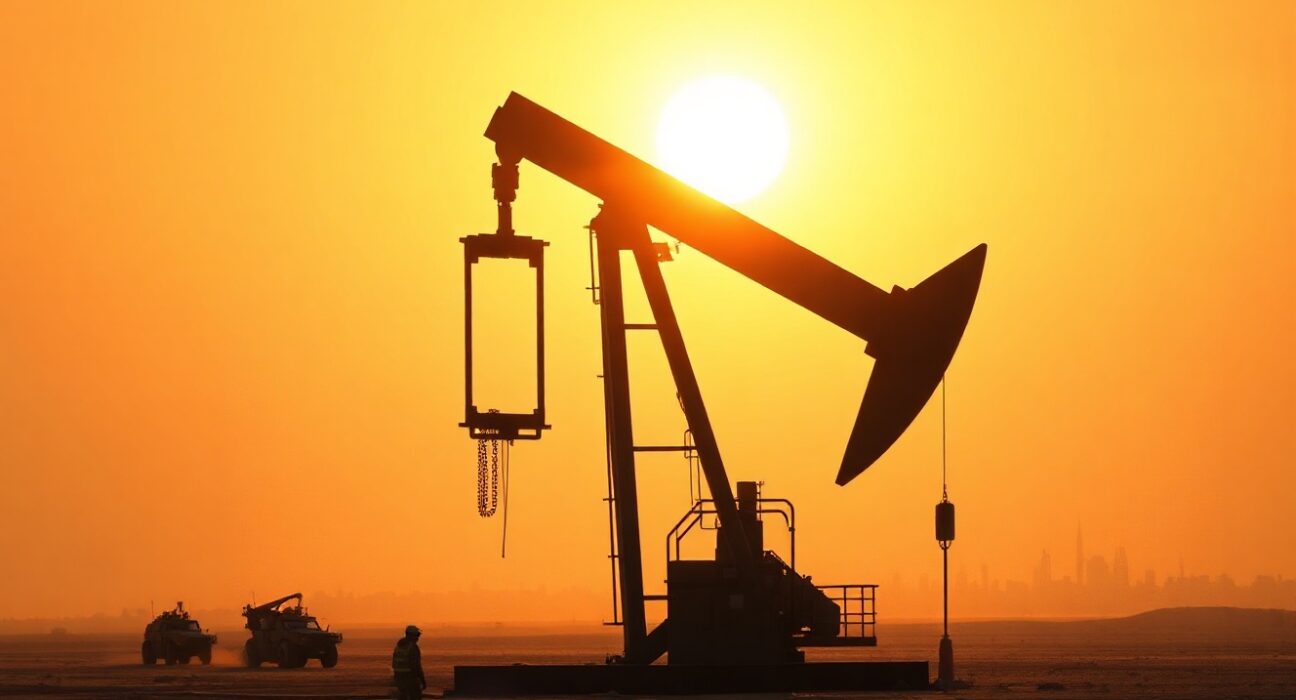
West Texas Intermediate (WTI) crude oil prices retreated to the $85 per barrel mark on Tuesday, driven by renewed optimism that a ceasefire agreement in the Middle East could de-escalate tensions and reduce the risk of supply disruptions. The decline marks a significant pullback from recent highs, as traders reassess the geopolitical risk premium that had been built into prices over the past weeks.
Geopolitical Risk Premium Fades
The move lower comes after reports of intensified diplomatic efforts to end the ongoing conflict between Israel and Hamas, with mediators from Egypt, Qatar, and the United States reportedly making headway on a framework for a temporary truce. While no formal agreement has been confirmed, the mere prospect of a halt in hostilities has been enough to cool the market’s immediate fears of a wider regional war that could threaten oil production and transit routes, particularly in the Strait of Hormuz.
Market analysts note that the risk premium had pushed WTI above $87 earlier this month, as investors priced in the possibility of supply disruptions from major producers like Iran or Saudi Arabia. The current retreat to $85 suggests that a significant portion of that premium is being unwound, though prices remain elevated compared to pre-conflict levels of around $78.
Supply and Demand Fundamentals
Beyond the headlines, the underlying supply-demand picture remains relatively balanced. The Organization of the Petroleum Exporting Countries and its allies (OPEC+) continues to maintain production cuts of roughly 2 million barrels per day through the end of the second quarter. Meanwhile, global demand growth has been steady but unspectacular, with the International Energy Agency (IEA) projecting an increase of around 1.3 million barrels per day for 2024.
U.S. crude inventories have also been a moderating factor. According to the latest data from the Energy Information Administration (EIA), commercial crude stocks rose by 3.2 million barrels last week, exceeding analyst expectations and signaling ample domestic supply. This has helped cap any upward momentum from the geopolitical side.
What This Means for Consumers and Markets
For consumers, the retreat in crude prices could translate into modest relief at the pump in the coming weeks, provided the ceasefire holds and no new supply disruptions emerge. The national average for regular gasoline in the U.S. has already edged slightly lower from its recent peak, though it remains above $3.50 per gallon in many regions.
For financial markets, the easing of geopolitical tensions reduces one of the key tail risks that had been weighing on investor sentiment. Lower energy costs are generally positive for equities, as they ease inflationary pressures and support corporate margins. However, the situation remains fluid, and any breakdown in ceasefire talks could quickly reverse the current price action.
Conclusion
WTI’s retreat to $85 reflects a market cautiously optimistic about a diplomatic resolution to the Middle East conflict, but the price remains vulnerable to sudden shifts in news flow. Traders and consumers alike should watch for concrete ceasefire announcements, as well as any signs of renewed hostilities, which could quickly rekindle the supply risk premium. For now, the oil market is in a wait-and-see mode, balancing geopolitical developments against a backdrop of adequate global supply and moderate demand growth.
FAQs
Q1: Why did WTI crude oil prices fall to $85?
Prices fell primarily due to renewed optimism that a ceasefire in the Middle East conflict could ease supply disruption fears, prompting traders to reduce the geopolitical risk premium they had added to crude futures.
Q2: How does a Middle East ceasefire affect oil prices?
A ceasefire reduces the risk of a wider regional conflict that could disrupt oil production or transit through key chokepoints like the Strait of Hormuz. This lowers the perceived supply risk, causing prices to decline.
Q3: Will lower crude prices mean cheaper gasoline at the pump?
Generally, yes. If crude prices continue to fall and the ceasefire holds, gasoline prices typically follow with a lag of one to two weeks, depending on regional refining and distribution factors.
Disclaimer: The information provided is not trading advice, Bitcoinworld.co.in holds no liability for any investments made based on the information provided on this page. We strongly recommend independent research and/or consultation with a qualified professional before making any investment decisions.
