

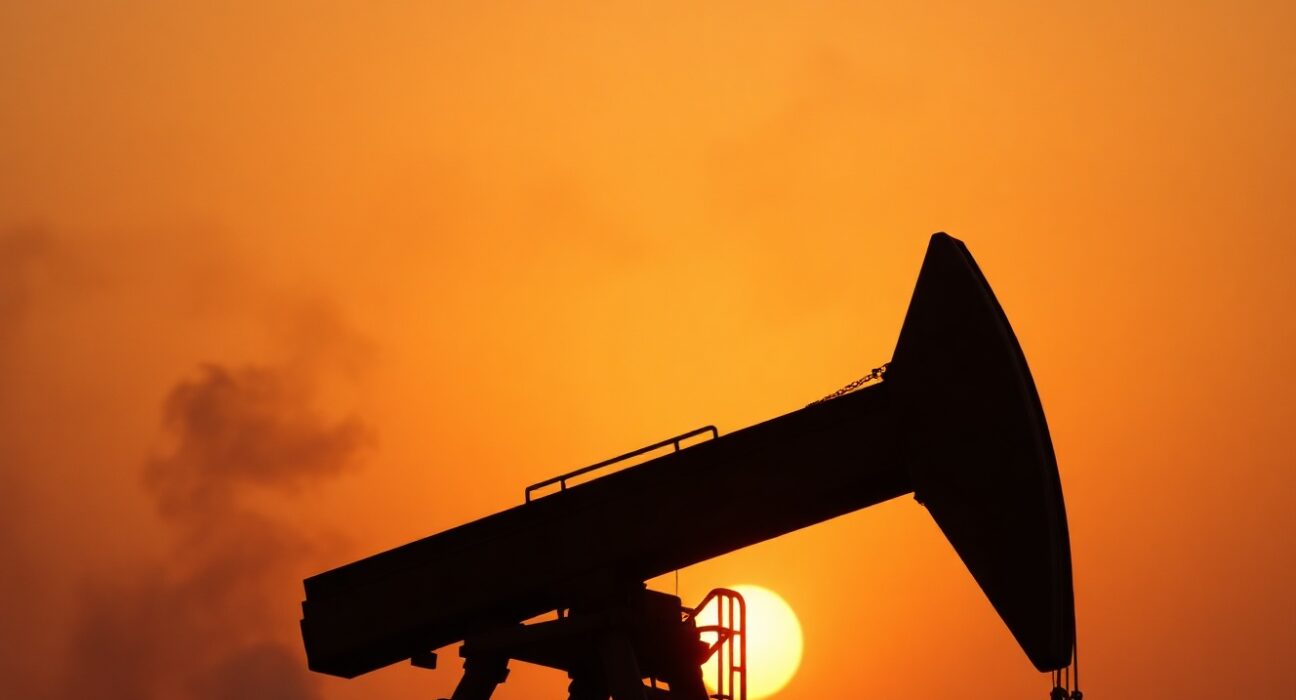
West Texas Intermediate crude oil prices surged sharply in early trading on Monday after the United States military carried out a new round of airstrikes targeting Iranian assets. The escalation marks a significant uptick in tensions between the two nations, sending shockwaves through global energy markets.
Market Reaction and Price Movement
WTI crude futures jumped by more than 3% in the immediate aftermath of the news, breaching the $80 per barrel mark for the first time in several weeks. The spike reflects growing investor anxiety over potential supply disruptions from the Middle East, a region that accounts for nearly a third of the world’s crude oil production. Traders are now pricing in a heightened risk premium as diplomatic channels remain strained.
The airstrikes, which targeted military infrastructure in southern Iran, were confirmed by Pentagon officials late Sunday. While no immediate disruptions to oil production or shipping lanes have been reported, the market’s reaction underscores the fragility of supply chains in the region. Analysts noted that the Strait of Hormuz, a critical chokepoint for global oil transit, remains a key concern for traders.
Geopolitical Context and Escalation
The latest military action follows weeks of escalating rhetoric between Washington and Tehran. The US administration has cited recent attacks on American personnel and allied shipping in the Persian Gulf as justification for the strikes. Iran has condemned the action and warned of potential retaliation, raising fears of a broader conflict that could draw in other regional players.
This is not the first time military confrontation has influenced oil prices. Historical precedents, such as the 2019 drone attacks on Saudi Aramco facilities and the 2020 US assassination of Iranian General Qasem Soleimani, both triggered significant but temporary price spikes. However, the current situation carries additional weight given the broader context of global energy supply constraints and ongoing geopolitical instability in Eastern Europe.
Implications for Energy Markets and Consumers
For consumers, the immediate impact is likely to be higher gasoline prices, particularly in the United States where the national average for a gallon of regular unleaded has already been trending upward. A sustained rise in WTI could translate to an additional 10 to 15 cents per gallon at the pump within the next two weeks, according to industry estimates.
From a broader market perspective, the price surge adds to inflationary pressures that central banks have been struggling to contain. Higher energy costs ripple through the economy, affecting transportation, manufacturing, and heating costs. The Biden administration has indicated it may consider releasing additional barrels from the Strategic Petroleum Reserve to stabilize prices, though such measures have historically provided only temporary relief.
Conclusion
The WTI price spike following the US airstrikes on Iran is a stark reminder of how geopolitical events can rapidly reshape energy markets. While the full extent of the disruption remains uncertain, the market has clearly priced in a higher risk of supply interruption. Investors and consumers alike should brace for continued volatility as the situation develops. Diplomatic efforts to de-escalate the conflict will be closely watched in the coming days, as any signs of further military action could push prices even higher.
FAQs
Q1: Why did WTI crude oil prices spike after the US airstrikes on Iran?
The market reacted to the increased risk of supply disruptions from the Middle East, a key oil-producing region. Traders added a geopolitical risk premium to crude prices due to fears of potential retaliation or broader conflict that could affect production and shipping routes.
Q2: How long will the price increase last?
It depends on diplomatic and military developments. If tensions de-escalate quickly, prices may retreat. However, if the conflict widens or disrupts major oil infrastructure, the spike could be prolonged. Historical patterns suggest that geopolitical price surges often fade within weeks unless actual supply is affected.
Q3: Will this affect gasoline prices at the pump?
Yes. Higher WTI prices typically lead to higher gasoline prices within one to two weeks. US consumers could see an increase of 10 to 15 cents per gallon if crude prices remain elevated. The impact varies by region depending on local refining capacity and distribution networks.
Disclaimer: The information provided is not trading advice, Bitcoinworld.co.in holds no liability for any investments made based on the information provided on this page. We strongly recommend independent research and/or consultation with a qualified professional before making any investment decisions.
