

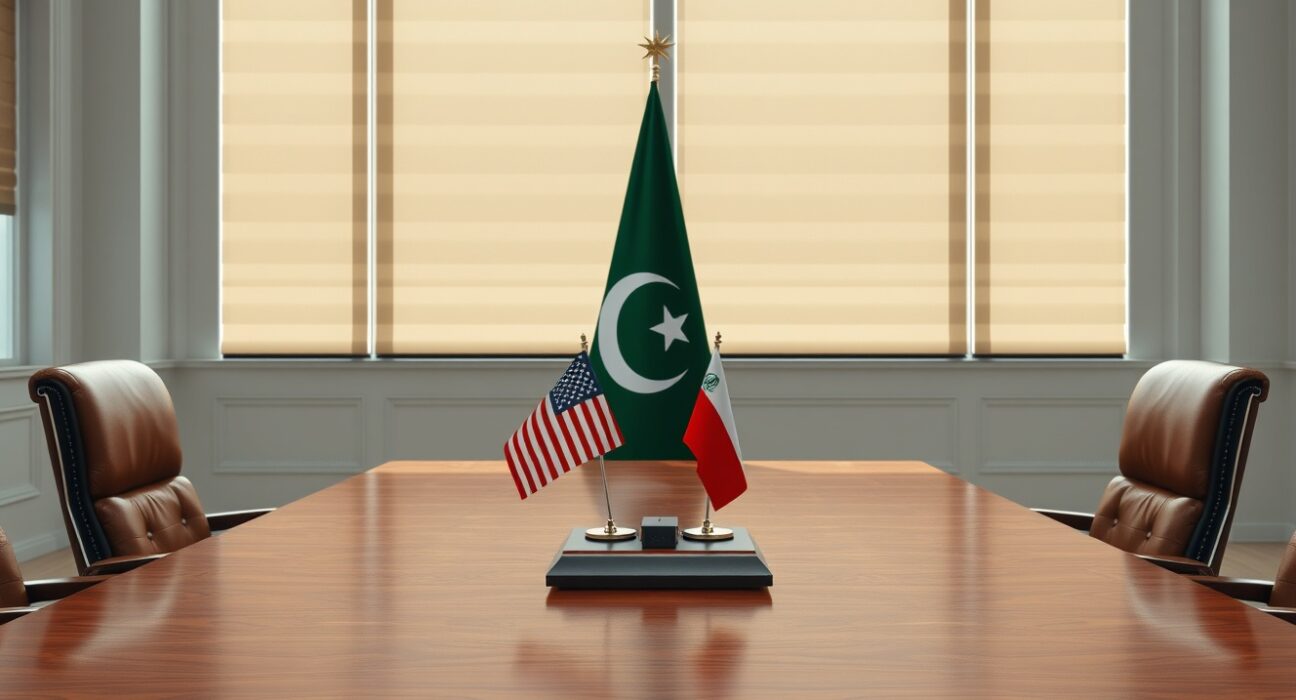
WASHINGTON/ISLAMABAD, March 2025 – The United States and Iran may resume high-stakes negotiations in Pakistan next week, according to MSNBC reports citing two senior Pakistani officials. This potential diplomatic breakthrough follows months of escalating regional tensions and could significantly impact global energy markets and Middle Eastern stability.
US-Iran Negotiations Enter Critical Phase
Pakistan emerges as the likely neutral venue for these crucial talks. Consequently, diplomatic sources confirm Islamabad’s readiness to host the discussions. The Pakistani government reportedly extended the invitation last month. Furthermore, both Washington and Tehran expressed preliminary interest in the proposal. This development represents the first serious diplomatic engagement between the two nations in over eighteen months.
Previous negotiations stalled in late 2023 over nuclear program disagreements. However, recent economic pressures on both countries created new incentives for dialogue. Additionally, regional security concerns accelerated the diplomatic timeline. The potential talks would address multiple contentious issues simultaneously.
Historical Context of Bilateral Relations
The United States and Iran maintained strained relations for decades. Specifically, the 2015 Joint Comprehensive Plan of Action (JCPOA) temporarily eased tensions. However, the U.S. withdrawal from the agreement in 2018 reversed progress dramatically. Subsequently, both nations engaged in periodic indirect talks through European intermediaries.
Recent months witnessed several concerning developments:
- Military incidents in the Persian Gulf increased significantly
- Nuclear program advancements by Iran accelerated international concerns
- Economic sanctions continued affecting both nations’ economies
- Regional proxy conflicts escalated in Yemen and Syria
These factors collectively created urgency for renewed diplomatic engagement. Moreover, international pressure mounted from multiple global powers.
Pakistan’s Strategic Diplomatic Role
Pakistan maintains unique relationships with both negotiating parties. Historically, Islamabad cultivated strong ties with Washington through security cooperation. Simultaneously, Pakistan preserved diplomatic channels with Tehran despite regional complexities. This balanced position makes Pakistan an ideal mediator for sensitive discussions.
Pakistani officials emphasized their commitment to regional stability. They also highlighted Pakistan’s historical success in facilitating international dialogues. Previously, Pakistan hosted significant talks between Afghan factions. Now, Islamabad seeks to expand its diplomatic influence through this high-profile mediation.
Potential Agenda for Pakistan Negotiations
The anticipated discussions will likely address multiple critical issues. Primary concerns include Iran’s nuclear program and corresponding sanctions relief. Additionally, regional security arrangements will feature prominently in the agenda. Yemen’s conflict resolution may also receive substantial attention during the talks.
| Primary Issues | U.S. Position | Iranian Position |
|---|---|---|
| Nuclear Program Limits | Strict verification mechanisms | Sanctions relief first |
| Regional Security | Proxy force limitations | U.S. military presence reduction |
| Economic Relations | Phased sanctions removal | Immediate banking access |
Both parties prepared extensive briefing materials for the potential meetings. Furthermore, technical experts from multiple government agencies completed preparatory work. This comprehensive preparation suggests serious intent from both capitals.
Global Implications of Successful Talks
Successful negotiations would produce significant international consequences. Global energy markets would likely stabilize with reduced Persian Gulf tensions. European energy security would improve substantially through predictable supplies. Middle Eastern conflicts might experience decreased external support for combatants.
Regional powers monitor these developments closely. Specifically, Saudi Arabia and Israel expressed concerns about potential agreements. Conversely, China and Russia welcomed renewed diplomatic engagement. International organizations generally support dialogue between the adversarial nations.
The United Nations Secretary-General previously advocated for direct talks. Additionally, the European Union offered mediation support multiple times. Now, Pakistan’s involvement adds another diplomatic dimension to the complex situation.
Timeline of Recent Diplomatic Efforts
Diplomatic activity intensified throughout early 2025. January witnessed secret backchannel communications through Omani intermediaries. February brought preliminary agreement on negotiation framework principles. March now potentially delivers face-to-face discussions in Islamabad.
This accelerated timeline reflects several underlying factors. Economic pressures increased substantially on both nations. Regional security incidents created escalation risks. International diplomatic momentum built through concerted multilateral efforts.
Conclusion
The potential resumption of US-Iran negotiations in Pakistan represents a significant diplomatic opportunity. These talks could reduce regional tensions and stabilize global energy markets. However, substantial differences remain between the negotiating positions. The Islamabad discussions will test both nations’ commitment to diplomatic solutions. Ultimately, successful negotiations require compromise and political courage from all participants. The international community watches these developments with cautious optimism.
FAQs
Q1: Why did Pakistan emerge as the negotiation venue?
Pakistan maintains diplomatic relations with both nations and has experience hosting sensitive international talks. Its neutral position and regional influence make it an acceptable location for both parties.
Q2: What are the main obstacles to a successful agreement?
The primary challenges include verification of nuclear commitments, sequencing of sanctions relief, and addressing regional security concerns through proxy forces in multiple conflict zones.
Q3: How might these negotiations affect global oil prices?
Successful talks typically reduce geopolitical risk premiums in oil markets, potentially lowering prices. However, any agreement that allows increased Iranian oil exports could further impact global supply dynamics.
Q4: What role do European nations play in these discussions?
European countries remain interested observers and potential implementers of any agreement. They previously participated in the JCPOA and maintain economic interests in both normalized relations and nonproliferation.
Q5: How have regional powers reacted to the potential talks?
Reactions vary significantly: Israel and Saudi Arabia express concerns about potential concessions, while China, Russia, and Turkey generally support diplomatic engagement to reduce regional tensions.
Disclaimer: The information provided is not trading advice, Bitcoinworld.co.in holds no liability for any investments made based on the information provided on this page. We strongly recommend independent research and/or consultation with a qualified professional before making any investment decisions.
