

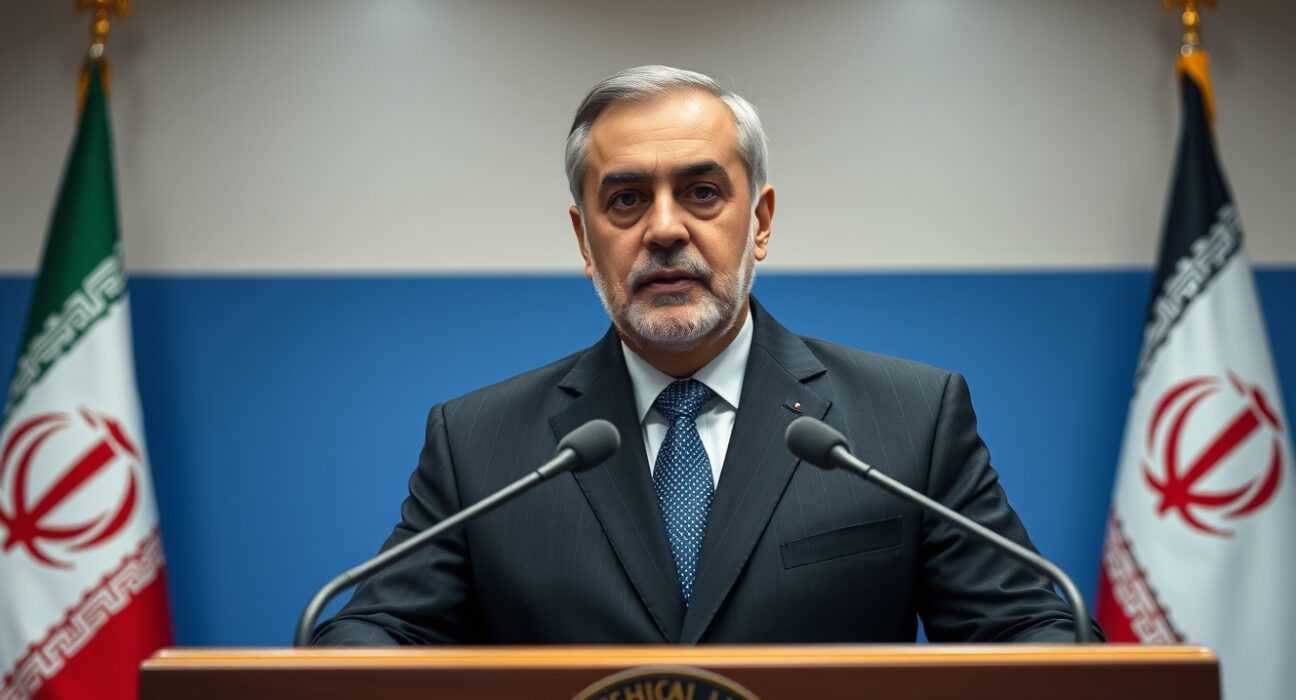
TEHRAN, Iran – March 2025: Iranian Foreign Ministry spokesman Nasser Kanaani has definitively stated that Tehran currently maintains no plans for another round of direct negotiations with the United States. This announcement creates a significant diplomatic stalemate amid ongoing regional tensions and stalled efforts to revive the 2015 nuclear agreement. Consequently, the statement marks a pivotal moment in Middle Eastern geopolitics, directly impacting global energy markets and non-proliferation frameworks.
Analyzing Iran’s Position on US Talks
During a weekly press briefing in Tehran, spokesman Nasser Kanaani addressed persistent international speculation. He clearly articulated Iran’s official stance. “Currently, there exists no plan or arrangement for a new round of talks with the United States,” Kanaani stated firmly. Furthermore, he emphasized that any future dialogue would require specific, tangible changes in Washington’s approach. This position reflects deep-seated frustrations within the Iranian leadership regarding the perceived lack of progress and reciprocal action from the American side.
The diplomatic freeze follows multiple unsuccessful attempts to restore the Joint Comprehensive Plan of Action (JCPOA). Notably, indirect negotiations in Vienna and Doha previously failed to bridge critical gaps. Key sticking points consistently involve sanctions relief, verification mechanisms, and guarantees against future US withdrawal. Therefore, Kanaani’s statement signals a strategic pause, not necessarily a permanent closure. However, it undoubtedly complicates the international community’s non-proliferation objectives.
Historical Context of US-Iran Negotiations
Understanding the current impasse requires examining the turbulent history of US-Iran relations. The relationship has experienced dramatic shifts over decades.
- 2015: The JCPOA is signed, temporarily easing tensions.
- 2018: The US unilaterally withdraws, reimposing harsh sanctions.
- 2021-2023: Indirect talks in Vienna aim for mutual return.
- 2024: Stalled diplomacy and increased regional proxy activities.
Each phase contributed to the current climate of mutual distrust. Moreover, domestic politics in both nations heavily influence diplomatic flexibility. For instance, upcoming electoral cycles often harden positions. Additionally, regional security incidents frequently derail delicate negotiation processes. Experts from the International Crisis Group note that diplomacy operates within a narrow window of opportunity, which appears currently shut.
Expert Analysis on the Diplomatic Deadlock
Regional analysts provide critical context for Kanaani’s announcement. Dr. Sanam Vakil, Director of the Middle East and North Africa programme at Chatham House, explains the strategic calculation. “Iran’s statement reflects a tactical decision to consolidate its regional position and nuclear advancements before considering further concessions,” Vakil states. She further suggests that Tehran may be waiting for clearer signals from the next US administration.
Simultaneously, military analysts monitor technical developments. The International Atomic Energy Agency (IAEA) reports Iran continues to enrich uranium to levels far exceeding JCPOA limits. Specifically, stockpiles of 60% enriched uranium present a significant proliferation concern. Consequently, the diplomatic deadlock carries tangible security risks. The table below summarizes key technical parameters as of early 2025:
| Enrichment Level | JCPOA Limit | Current Iranian Stockpile (Estimated) |
|---|---|---|
| Up to 3.67% | 300 kg | Exceeded |
| Up to 20% | 0 kg | Significant quantity |
| Up to 60% | 0 kg | Growing stockpile |
Regional and Global Implications
The absence of US-Iran dialogue creates ripple effects across the Middle East and beyond. Primarily, it affects security dynamics in several conflict zones. For example, Iranian-backed groups in Yemen, Syria, and Lebanon operate with less diplomatic constraint. Conversely, US allies like Israel and Saudi Arabia may pursue more assertive security policies. This escalation cycle threatens regional stability.
Economically, continued sanctions disrupt global energy markets. Iran holds the world’s fourth-largest proven oil reserves. However, its export capacity remains severely limited by US financial restrictions. Consequently, global oil prices experience upward pressure, affecting inflation worldwide. European nations, in particular, face difficult choices between energy security and non-proliferation commitments.
Furthermore, the nuclear non-proliferation regime itself suffers erosion. Other nations may observe Iran’s advancing capabilities without decisive international response. This perception could undermine the entire Treaty on the Non-Proliferation of Nuclear Weapons (NPT) framework. Therefore, Kanaani’s brief statement carries profound systemic implications.
The Path Forward and Alternative Channels
Despite the official pause, diplomatic channels are not completely severed. Several intermediary nations maintain communication with both capitals. Oman, Qatar, and Switzerland often facilitate message exchanges. Additionally, multilateral forums like the United Nations provide venues for lower-level contact. However, these backchannels cannot substitute for direct, high-level negotiations.
Potential triggers for renewed engagement exist. A major regional incident could force crisis diplomacy. Alternatively, a significant shift in domestic American or Iranian politics might reopen the window. For now, the international community emphasizes confidence-building measures. These include humanitarian exchanges, prisoner releases, and minor sanctions waivers. Such steps aim to maintain a baseline of communication.
Conclusion
Iran’s clear declaration regarding US talks underscores a protracted diplomatic impasse with significant consequences. Spokesman Nasser Kanaani’s statement reflects strategic patience from Tehran, demanding concrete US policy shifts before re-engagement. This pause exacerbates regional tensions, complicates global non-proliferation efforts, and influences energy market stability. Ultimately, resolving the deadlock will require creative diplomacy, political courage, and reciprocal concessions that address the core security concerns of all involved parties. The world now watches for signals that might eventually thaw this deep freeze in US-Iran relations.
FAQs
Q1: What exactly did Iranian spokesman Nasser Kanaani say about talks with the US?
Nasser Kanaani stated unequivocally that Iran currently has “no plan or arrangement for a new round of talks with the United States,” indicating a formal diplomatic pause initiated by Tehran.
Q2: Why has Iran decided against further negotiations at this time?
Analysts point to accumulated frustration over unmet expectations from previous talks, continued US sanctions, Iran’s desire to consolidate its regional and nuclear position, and a potential wait-and-see approach toward future US political administrations.
Q3: How does this affect the 2015 nuclear deal (JCPOA)?
The announcement makes reviving the original JCPOA increasingly unlikely in the near term. Iran continues to advance its nuclear program beyond deal limits, while the diplomatic process to restore compliance remains frozen.
Q4: What are the immediate risks of this diplomatic stalemate?
Key risks include heightened potential for regional miscalculation or escalation between Iran and US allies, continued growth of Iran’s nuclear capabilities, sustained pressure on global energy markets, and erosion of the international non-proliferation regime.
Q5: Are there any diplomatic channels still open between the US and Iran?
While direct talks are paused, indirect communication often occurs through intermediary nations like Oman, Qatar, and Switzerland, as well as in multilateral settings like the United Nations, though these cannot replace formal negotiations.
Disclaimer: The information provided is not trading advice, Bitcoinworld.co.in holds no liability for any investments made based on the information provided on this page. We strongly recommend independent research and/or consultation with a qualified professional before making any investment decisions.
