

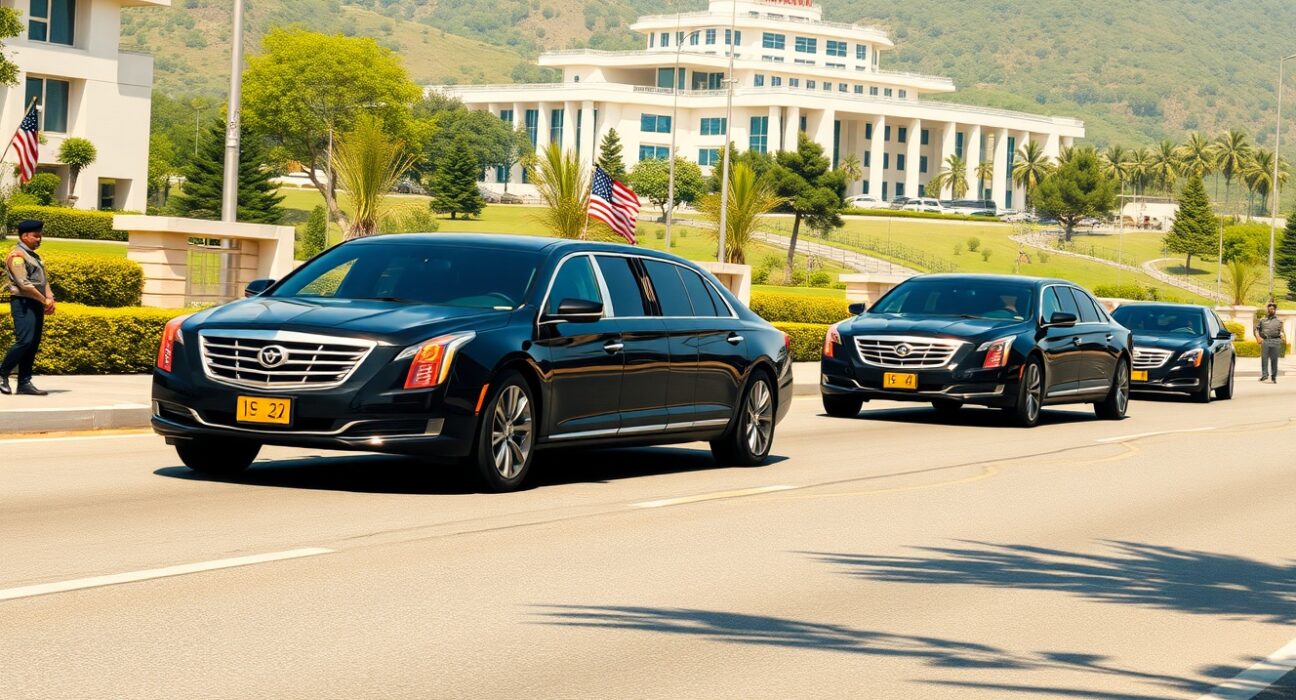
WASHINGTON, D.C., April 20, 2025 – Vice President J.D. Vance prepares for a pivotal diplomatic mission to Islamabad, Pakistan, where he will lead United States negotiations with Iranian officials starting April 22. This high-level engagement represents a significant development in bilateral relations between Washington and Tehran. The White House confirmed the Vice President’s scheduled departure from Washington on April 21, following earlier reports from CNN about the planned discussions.
Vice President Vance’s Pakistan Mission: Context and Timing
The upcoming talks occur within a complex geopolitical landscape. Regional security concerns have intensified recently, particularly regarding nuclear proliferation and maritime security in the Persian Gulf. Consequently, diplomatic channels between the United States and Iran have experienced renewed activity throughout early 2025. President Donald Trump previously indicated that a U.S. delegation would arrive in Pakistan “within hours” to address the situation with Iran, though specific departure times remained unconfirmed until the White House announcement.
Pakistan serves as a neutral venue for these sensitive discussions. Historically, Islamabad has maintained diplomatic relationships with both Washington and Tehran. Furthermore, Pakistan’s geographic position and regional influence provide logistical advantages for such high-stakes negotiations. The choice of location reflects careful diplomatic calculation by all involved parties.
Historical Background of US-Iran Relations
Relations between the United States and Iran have experienced dramatic fluctuations across multiple administrations. The 2015 Joint Comprehensive Plan of Action (JCPOA) represented a major diplomatic achievement, but subsequent withdrawals and reinstatements of sanctions created ongoing tensions. Recently, several key developments have shaped the current diplomatic environment:
- 2023-2024 Nuclear Negotiations: Indirect talks facilitated by European allies made limited progress
- Regional Proxy Conflicts: Ongoing tensions in Yemen, Syria, and Lebanon affected bilateral communications
- Economic Factors: Sanctions relief discussions gained urgency amid global energy market fluctuations
- Leadership Changes: Political transitions in both countries created new diplomatic opportunities
These historical factors establish essential context for understanding the significance of Vice President Vance’s upcoming mission. Each previous engagement provides lessons for current negotiators.
Pakistan’s Diplomatic Role in Regional Mediation
Islamabad frequently serves as a diplomatic intermediary in regional conflicts. Pakistan maintains working relationships with both Western powers and Middle Eastern nations. Additionally, Pakistan shares a substantial border with Iran, creating direct security and economic interests in stable bilateral relations between Tehran and Washington.
Several previous diplomatic breakthroughs have occurred through Pakistani mediation:
| Year | Diplomatic Achievement | Pakistan’s Role |
|---|---|---|
| 2001 | Afghanistan Bonn Agreement | Logistical support and regional coordination |
| 2013 | US-Taliban prisoner exchange talks | Host nation and security guarantor |
| 2021 | Regional security dialogues | Venue provider and confidence-builder |
This historical pattern demonstrates Pakistan’s established capacity for facilitating complex diplomatic engagements. The current talks continue this tradition of regional diplomatic entrepreneurship.
Expert Analysis: Strategic Implications
Regional security experts emphasize several critical considerations for these negotiations. First, confidence-building measures require careful implementation. Second, verification mechanisms demand international oversight. Third, regional allies need consultation throughout the process. Finally, domestic political considerations in all three nations influence negotiation timelines.
Dr. Amina Chaudhry, Senior Fellow at the Institute for Strategic Studies Islamabad, notes: “Pakistan’s mediation reflects sophisticated diplomatic positioning. Simultaneously, Islamabad demonstrates its regional relevance while avoiding direct entanglement in US-Iran tensions. This balanced approach serves multiple strategic objectives.”
Similarly, former State Department negotiator Richard Clarke observes: “The Vance mission represents procedural normalization. Regular diplomatic engagement, even during periods of disagreement, establishes essential communication channels. These channels prove invaluable during crises.”
Logistical and Security Preparations
Substantial security preparations accompany high-level diplomatic visits. The U.S. Secret Service coordinates extensively with Pakistani security agencies. Typically, these arrangements involve:
- Advanced security sweeps of all venues
- Comprehensive transportation security plans
- Communications security protocols
- Medical emergency preparedness
- Cybersecurity measures for all digital systems
These extensive preparations ensure the safety of all participants. Moreover, they create conditions conducive to focused diplomatic discussions. Security considerations particularly influence venue selection and scheduling decisions.
Potential Agenda Items and Negotiation Objectives
While official agendas remain confidential, regional analysts identify several probable discussion topics. Nuclear program limitations likely represent a primary concern for American negotiators. Regional security arrangements, especially regarding maritime commerce, may also feature prominently. Additionally, economic considerations including sanctions relief and energy cooperation could enter discussions.
Each nation brings distinct priorities to the negotiating table:
| Country | Primary Objectives | Secondary Concerns |
|---|---|---|
| United States | Nuclear non-proliferation verification | Regional proxy force limitations |
| Iran | Sanctions relief and economic normalization | Security guarantees and regional recognition |
| Pakistan | Regional stability and diplomatic prestige | Bilateral economic opportunities |
These overlapping and sometimes competing objectives create complex negotiation dynamics. Successful diplomacy requires identifying areas of mutual interest while managing inevitable disagreements.
Regional Reactions and International Response
Neighboring countries monitor these developments closely. Saudi Arabia and Israel traditionally express concerns about US-Iran rapprochement. Conversely, Oman and Qatar generally support diplomatic engagement. European allies typically encourage dialogue while emphasizing verification mechanisms.
The international community responds to several key indicators. First, negotiation transparency affects external perceptions. Second, implementation timelines influence credibility assessments. Third, regional consultation processes impact broader acceptance. Finally, verification provisions determine international endorsement levels.
Conclusion
Vice President Vance’s diplomatic mission to Pakistan for talks with Iran represents a significant moment in Middle Eastern diplomacy. The April 21-22 meetings occur within a complex historical context of US-Iran relations. Pakistan’s mediation role continues its tradition of regional diplomatic engagement. These talks address critical issues including nuclear security, regional stability, and economic normalization. Consequently, the outcomes will influence international relations throughout the Middle East and beyond. The diplomatic community watches closely as these high-stakes negotiations unfold in Islamabad.
FAQs
Q1: When exactly will Vice President Vance arrive in Pakistan?
The White House announced his departure from Washington on April 21, 2025. While exact arrival times depend on flight logistics and security considerations, talks with Iranian officials are scheduled to begin on April 22.
Q2: Why did the United States choose Pakistan for these talks?
Pakistan maintains diplomatic relations with both nations and has historically served as a neutral venue for sensitive negotiations. Its geographic location and regional influence make it a practical choice for US-Iran discussions.
Q3: What are the main issues likely to be discussed?
While official agendas remain confidential, analysts expect discussions to cover nuclear program verification, regional security arrangements, sanctions relief possibilities, and economic cooperation frameworks.
Q4: How does this diplomatic mission fit into broader US foreign policy?
This engagement represents continued American commitment to diplomatic solutions in the Middle East. It follows patterns of high-level dialogue established during previous administrations, adapted to current geopolitical realities.
Q5: What security measures accompany such high-level diplomatic visits?
Extensive security protocols involve coordination between US Secret Service and Pakistani security agencies. These include venue sweeps, transportation security, communications protection, and emergency response preparations.
Disclaimer: The information provided is not trading advice, Bitcoinworld.co.in holds no liability for any investments made based on the information provided on this page. We strongly recommend independent research and/or consultation with a qualified professional before making any investment decisions.
