

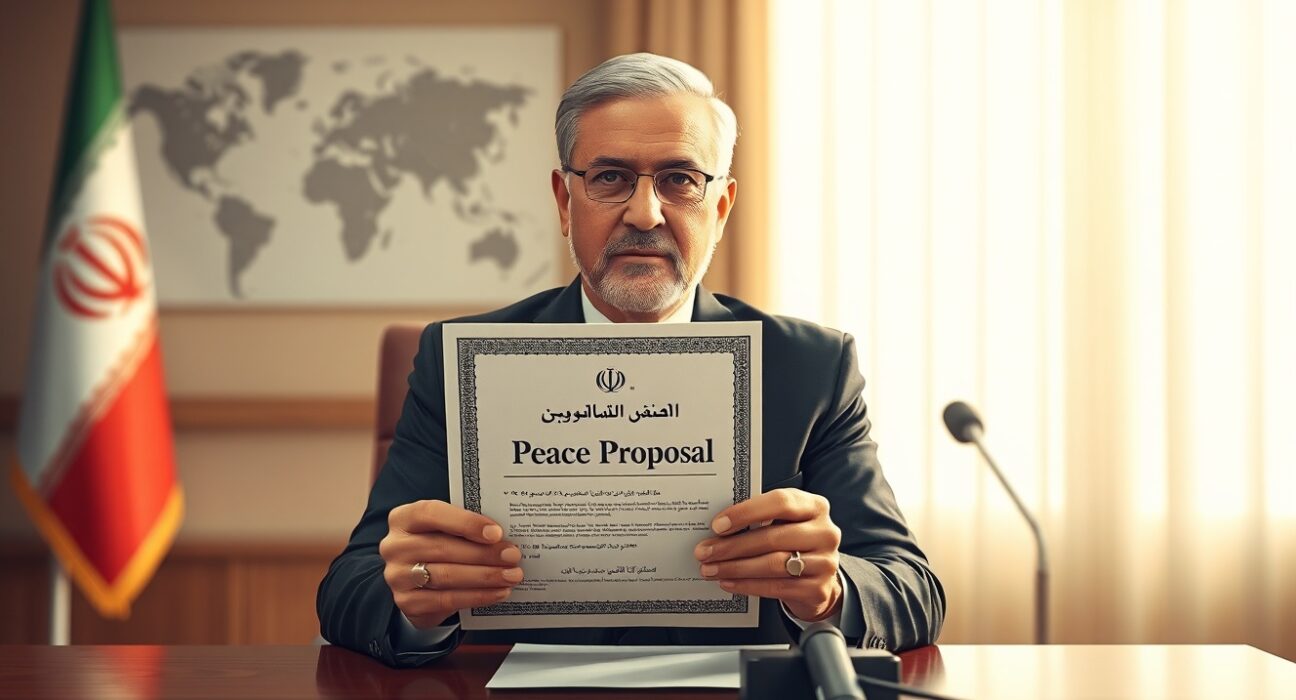
Iran is expected to submit a revised peace plan soon, according to multiple diplomatic sources familiar with the ongoing negotiations. This development marks a significant shift in the stalled Middle East diplomacy and could reshape regional stability.
Iran Revised Peace Plan: What We Know So Far
The Iran revised peace plan reportedly includes updated terms on uranium enrichment levels, international inspections, and economic sanctions relief. Sources indicate that the proposal addresses key sticking points from previous rounds of talks. Negotiators from the European Union and the United Nations have been involved in facilitating the dialogue. The plan aims to restore the 2015 Joint Comprehensive Plan of Action (JCPOA) framework with critical modifications. Tehran has signaled willingness to compromise on certain nuclear activities. However, it demands verifiable guarantees for sanctions removal. This dual approach reflects Iran’s strategic balancing between domestic pressures and international obligations.
Background: The Long Road to a New Iran Peace Proposal
The Iran peace proposal 2025 comes after years of diplomatic deadlock. The United States withdrew from the JCPOA in 2018, leading to a series of escalations. Iran gradually exceeded enrichment limits, while the U.S. imposed severe sanctions. Backchannel talks in Oman and Qatar laid the groundwork for the current effort. The revised plan incorporates lessons from previous failures. It also includes mechanisms for dispute resolution and phased implementation. Regional players like Saudi Arabia and the United Arab Emirates have expressed cautious optimism. Their support could be crucial for the plan’s success.
Key Elements of the New Proposal
- Enrichment Cap: Iran agrees to cap enrichment at 3.67% for a renewable 10-year period.
- Inspections: The International Atomic Energy Agency (IAEA) gains access to undeclared sites.
- Sanctions Relief: Gradual removal of oil, banking, and trade sanctions over 18 months.
- Regional Security: Joint forum for discussing missile programs and proxy forces.
These points represent a compromise from both sides. Iran gains economic relief, while the West secures verification measures. The inclusion of regional security talks is a new element absent from the original JCPOA.
Middle East Diplomacy: Why This Matters Now
Middle East diplomacy is at a critical juncture. The war in Gaza, tensions with Israel, and instability in Yemen create a volatile backdrop. A successful Iran peace proposal 2025 could de-escalate multiple conflicts simultaneously. Experts argue that the window for negotiation is narrowing. Iran’s nuclear program has advanced to near-weapons-grade enrichment levels. The IAEA reports that Iran possesses enough enriched material for several bombs if further processed. This urgency drives the current push for a revised plan. The United States, under its current administration, has prioritized diplomatic engagement over military options.
Nuclear Negotiations Iran: Technical and Political Hurdles
Nuclear negotiations Iran face several technical challenges. Verification of enrichment activities requires robust IAEA monitoring. Iran insists on the closure of past investigations into undeclared particles. The agency demands transparency on all nuclear materials. Politically, hardliners in Tehran oppose any concessions. They view the JCPOA as a symbol of foreign interference. Conversely, reformists argue that sanctions relief is essential for economic recovery. Inflation in Iran exceeds 40%, and unemployment remains high. The revised plan must satisfy both domestic factions and international partners. This balancing act makes the negotiation process fragile.
Timeline of Key Events
| Date | Event |
|---|---|
| 2015 | JCPOA signed between Iran and P5+1 |
| 2018 | U.S. withdraws from JCPOA |
| 2020 | Iran begins exceeding enrichment limits |
| 2023 | Backchannel talks resume in Oman |
| 2025 | Iran expected to submit revised peace plan soon |
This timeline illustrates the cyclical nature of Iran nuclear negotiations. Each phase of escalation followed by diplomatic engagement creates a pattern. The current effort aims to break this cycle with a more durable framework.
Iran Sanctions Update: Economic Implications
An Iran sanctions update is closely tied to the peace plan. The current sanctions regime has crippled Iran’s economy. Oil exports have dropped by over 60% since 2018. Inflation and currency devaluation have caused widespread hardship. The revised peace proposal includes a phased sanctions relief mechanism. This would allow Iran to gradually re-enter global markets. Key sectors like energy, banking, and shipping would benefit first. However, the U.S. Congress may impose conditions on relief. Bipartisan skepticism about Iran’s intentions remains high. Any deal must include robust verification and snapback provisions.
Expert Analysis: What This Means for Global Security
Experts from the International Crisis Group and the Carnegie Endowment view the Iran peace proposal 2025 as a potential game-changer. Dr. Anna Jacobs, a senior analyst, states: ‘This is the most serious diplomatic effort in years. Both sides have shown flexibility, but trust remains low.’ The plan’s success depends on implementation details. Verification mechanisms must be airtight to prevent cheating. Regional security talks could address Iran’s missile program and proxy forces. These are major concerns for Israel and Gulf states. The plan also includes economic incentives for compliance. This carrot-and-stick approach aims to create a self-reinforcing cycle of cooperation.
Conclusion
Iran is expected to submit a revised peace plan soon, offering a rare opportunity for diplomatic progress. The Iran revised peace plan addresses core issues of enrichment, inspections, and sanctions relief. Success requires sustained commitment from all parties. The stakes are high: failure could lead to a nuclear-armed Iran or military conflict. The world watches as Tehran prepares its proposal. This moment could define Middle East diplomacy for a generation. The path forward is uncertain, but the window for negotiation is open. Stakeholders must seize this chance for peace.
FAQs
Q1: What is the Iran revised peace plan?
A1: The Iran revised peace plan is an updated diplomatic proposal addressing nuclear enrichment, international inspections, and sanctions relief. It aims to restore and improve the 2015 JCPOA framework.
Q2: When will Iran submit the new peace proposal?
A2: Iran is expected to submit the revised peace plan soon, within the coming weeks, according to diplomatic sources. The exact date remains unconfirmed.
Q3: How does this plan differ from the original JCPOA?
A3: The new plan includes stricter verification measures, a phased sanctions relief timeline, and a regional security forum. It also addresses missile programs and proxy forces, which were not in the original deal.
Q4: What are the main obstacles to the peace plan?
A4: Key obstacles include domestic opposition in Iran, U.S. congressional skepticism, and regional tensions with Israel and Saudi Arabia. Verification of undeclared sites remains a technical challenge.
Q5: How will the peace plan affect Iran’s economy?
A5: If successful, the plan would gradually lift oil, banking, and trade sanctions. This could reduce inflation, boost oil exports, and attract foreign investment, aiding economic recovery.
Disclaimer: The information provided is not trading advice, Bitcoinworld.co.in holds no liability for any investments made based on the information provided on this page. We strongly recommend independent research and/or consultation with a qualified professional before making any investment decisions.
