

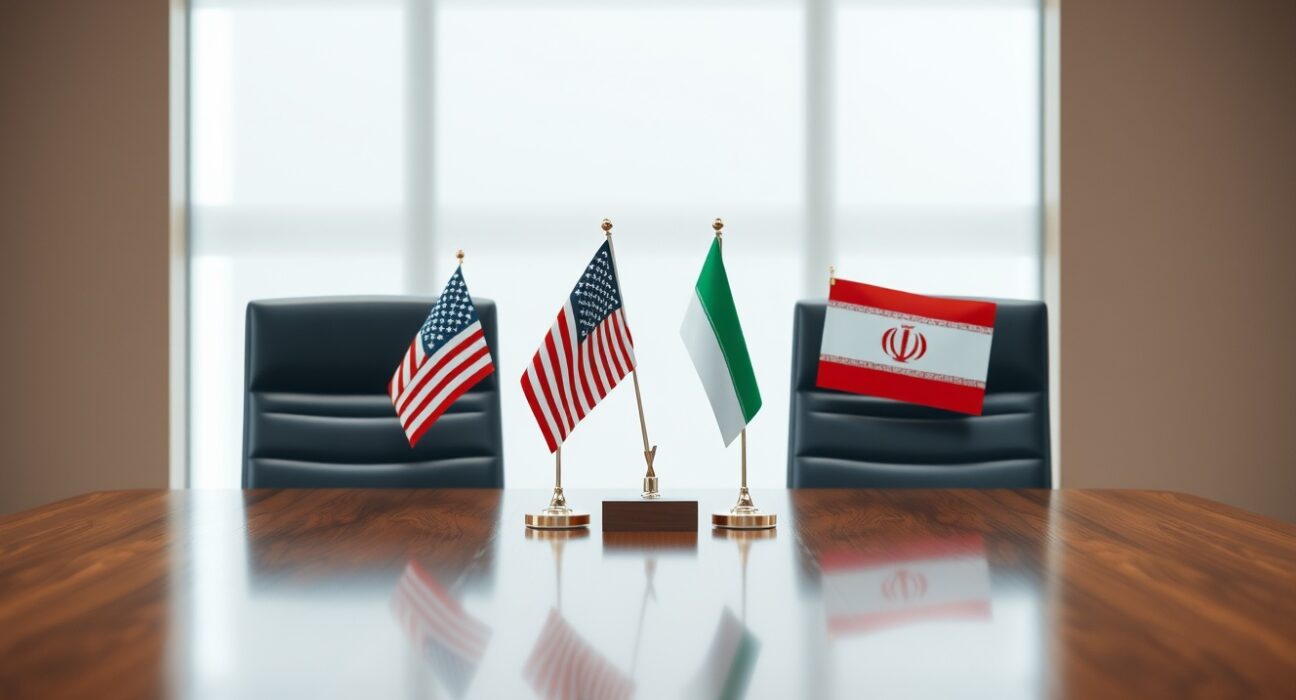
Iran is expected to issue a formal response to the United States today regarding a 14-point peace proposal that was delivered through Pakistani intermediaries, according to diplomatic sources in Pakistan. The proposal, which Tehran submitted to Washington via Pakistan’s mediation channels, aims to establish a framework for de-escalation and long-term negotiations.
Key Elements of the 14-Point Proposal
The Iranian proposal reportedly includes several core demands: a binding guarantee from the U.S. against renewed military aggression, payment of reparations by the U.S. military for past actions, and the establishment of a new joint management system for the Strait of Hormuz — one of the world’s most strategically vital oil transit chokepoints. The plan also calls for a formal end to hostilities, followed by a 30-day negotiation period to address Iran’s nuclear program, sanctions relief, and safe passage through the strait.
U.S. Position and Previous Statements
On May 2, President Donald Trump acknowledged receipt of the proposal and stated he would review it, but expressed skepticism, saying he could not imagine it would be acceptable. The U.S. has not publicly detailed its assessment of the plan, though Pakistani officials have been shuttling between the two capitals to facilitate dialogue.
Why This Matters
The development marks a rare moment of direct diplomatic engagement between Tehran and Washington, with Pakistan acting as an intermediary. The outcome could have significant implications for global oil markets, regional stability in the Middle East, and the future of Iran’s nuclear program. For readers, the key question is whether both sides can move past mutual distrust to reach a framework that addresses security concerns, economic relief, and freedom of navigation.
Background: Pakistan’s Mediation Role
Pakistan has historically played a bridging role between Iran and the U.S., leveraging its diplomatic ties with both nations. The current mediation effort follows months of heightened tensions, including U.S. sanctions and Iranian nuclear advancements. The 14-point proposal is the most detailed diplomatic initiative to emerge from this channel.
Conclusion
As the world awaits Iran’s official response, the coming days will determine whether this diplomatic opening leads to substantive negotiations or remains another stalled effort. The proposal’s fate hinges on Washington’s willingness to consider guarantees and reparations — demands that have historically been non-starters for U.S. administrations.
FAQs
Q1: What is the 14-point peace plan?
A: It is a proposal submitted by Iran to the U.S. through Pakistan, covering security guarantees, reparations, Strait of Hormuz governance, and a 30-day negotiation window on nuclear and sanctions issues.
Q2: Why is Pakistan mediating?
A: Pakistan maintains diplomatic relations with both Iran and the U.S., making it a credible intermediary for backchannel communications.
Q3: What happens if the U.S. rejects the proposal?
A: Rejection could lead to continued stalemate, potential escalation in the region, and further instability in global oil markets due to ongoing tensions around the Strait of Hormuz.
Disclaimer: The information provided is not trading advice, Bitcoinworld.co.in holds no liability for any investments made based on the information provided on this page. We strongly recommend independent research and/or consultation with a qualified professional before making any investment decisions.
