

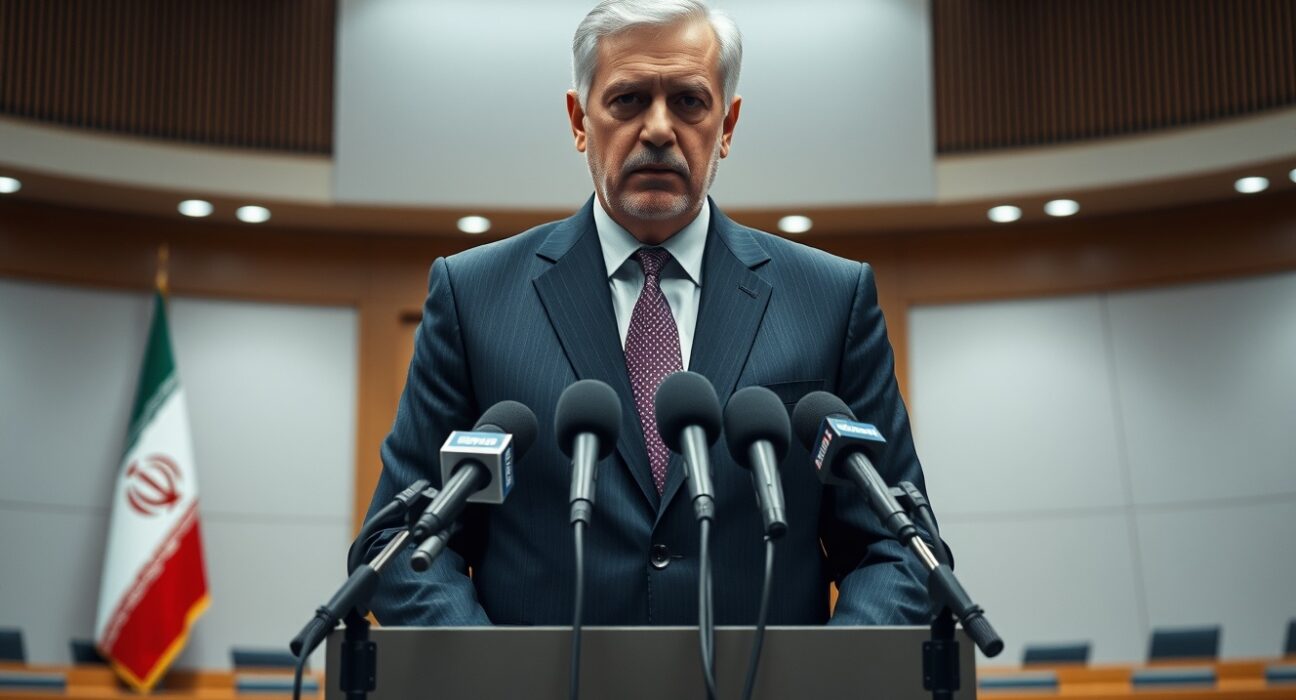
Iranian Parliament Speaker Mohammad Ghalibaf issued a stark warning on Monday, stating that any United States military action against the Islamic Republic will be met with immediate and decisive retaliation. The statement, delivered during a parliamentary session in Tehran, marks one of the most direct public threats from a senior Iranian official in recent months and underscores the continued fragility of relations between the two nations.
Context of the Warning
Ghalibaf’s remarks come amid heightened tensions in the Middle East, where the US has maintained a significant military presence. While the specific trigger for his statement was not immediately detailed, it aligns with a pattern of reciprocal threats between Washington and Tehran over issues including Iran’s nuclear program, regional proxy forces, and maritime security in the Persian Gulf. The speaker’s position, while influential, does not command Iran’s armed forces, which are ultimately controlled by the Supreme Leader, Ayatollah Ali Khamenei. However, Ghalibaf’s comments are seen as reflecting the hardline consensus within Iran’s establishment.
Regional and Global Implications
The warning is likely to further rattle global energy markets, which have been sensitive to any disruption in the Strait of Hormuz, a critical chokepoint for oil shipments. Iran has previously threatened to close the strait in response to perceived existential threats. Analysts suggest that while a full-scale military confrontation remains unlikely, the risk of miscalculation or escalation through proxy forces remains high. The statement also complicates ongoing diplomatic efforts by European and Gulf intermediaries to de-escalate tensions and revive stalled nuclear negotiations.
Market and Security Impact
For international observers, Ghalibaf’s declaration serves as a reminder of the volatile security landscape in the region. Investors and policymakers are closely monitoring any shifts in US force posture or Iranian military readiness. The warning may also influence the calculus of other regional actors, including Israel and Gulf Arab states, who are balancing their own security concerns with the potential for broader conflict.
Conclusion
Mohammad Ghalibaf’s unequivocal pledge of retaliation against US military action adds a new layer of urgency to an already tense geopolitical standoff. While direct conflict is not inevitable, the rhetoric from Tehran signals a hardening of positions that could limit the room for diplomatic maneuvering. The international community will be watching for any concrete moves on either side that could turn words into action.
FAQs
Q1: Who is Mohammad Ghalibaf?
Mohammad Ghalibaf is the current Speaker of the Islamic Consultative Assembly (Iran’s parliament). He is a former mayor of Tehran and a former commander of the Islamic Revolutionary Guard Corps (IRGC) Air Force, making him a significant figure in Iran’s political and military establishment.
Q2: What kind of retaliation is Iran threatening?
Ghalibaf did not specify the exact nature of the retaliation, but Iran has historically threatened asymmetric responses, including attacks on US assets in the region by proxy forces, disruption of shipping in the Strait of Hormuz, and ballistic missile strikes.
Q3: Why is this statement significant now?
The statement comes at a time of ongoing tensions over Iran’s nuclear program, US sanctions, and regional military posturing. It signals that Iran’s leadership is prepared to respond forcefully to any perceived military threat, potentially escalating a situation that has been managed through deterrence and indirect communication.
Disclaimer: The information provided is not trading advice, Bitcoinworld.co.in holds no liability for any investments made based on the information provided on this page. We strongly recommend independent research and/or consultation with a qualified professional before making any investment decisions.
