

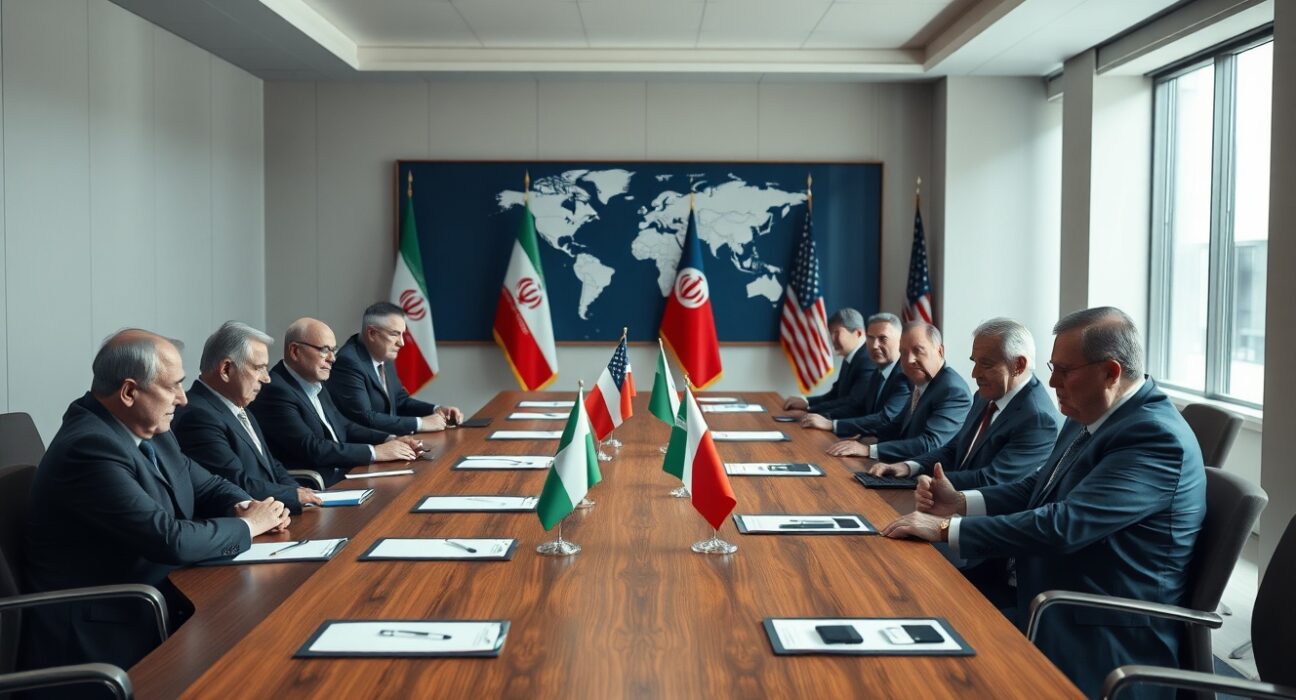
Iran has confirmed that a negotiation framework has been reached with the United States, but an Iranian Foreign Ministry spokesperson cautioned that no one can guarantee a swift agreement between the two countries. The statement, released on [date], underscores the fragile and uncertain nature of the ongoing diplomatic process, which has drawn global attention due to its implications for regional stability and international energy markets.
Framework Without Guarantees
The spokesperson emphasized that while both sides have agreed on a general structure for talks, specific terms remain unresolved. This cautious tone reflects Tehran’s awareness of the complex hurdles ahead, including disagreements over nuclear enrichment levels, sanctions relief, and regional security arrangements. The announcement comes amid renewed efforts by European mediators to bridge gaps between Washington and Tehran, though previous rounds of talks have stalled over mutual distrust.
Strait of Hormuz: Jurisdiction Clarified
In a significant clarification, the spokesperson stated that a provisional Memorandum of Understanding (MOU) does not include specific details on managing the Strait of Hormuz, a critical chokepoint for global oil shipments. The official reiterated that jurisdiction over the strait belongs to the coastal states, including Iran and Oman, and that any discussion on its management must respect international maritime law. This clarification is likely to reassure markets, as previous rumors suggested the talks might involve security arrangements for the waterway, through which about 20% of the world’s oil passes.
Why This Matters
The outcome of these negotiations carries significant weight for global energy prices, regional security, and the broader geopolitical landscape. A potential deal could lead to the easing of economic sanctions on Iran, increasing global oil supply and potentially lowering prices. Conversely, a breakdown could escalate tensions, affecting shipping routes and energy security. For readers, understanding the nuances of these talks is crucial, as they directly impact fuel costs and geopolitical stability in the Middle East.
Conclusion
While the establishment of a negotiation framework marks a step forward, Iran’s public caution serves as a reminder that diplomatic progress is neither linear nor guaranteed. The coming weeks will be critical in determining whether the framework can translate into a substantive agreement. Until then, the international community watches closely, aware that the stakes extend far beyond the negotiating table.
FAQs
Q1: What does the negotiation framework between Iran and the US include?
A1: The framework is a general structure for talks, but specific terms, such as nuclear enrichment limits and sanctions relief, are still under discussion. The spokesperson stressed that no early deal is guaranteed.
Q2: Does the MOU address control of the Strait of Hormuz?
A2: No. The provisional MOU does not include specific details on managing the Strait of Hormuz. Iran has clarified that jurisdiction over the strait belongs to the coastal states, and any future discussions must respect international law.
Q3: Why are these negotiations important for the global economy?
A3: The Strait of Hormuz is a critical oil transit chokepoint. A successful deal could increase global oil supply by easing sanctions on Iran, potentially lowering energy prices. A failure could lead to regional instability and higher costs.
Disclaimer: The information provided is not trading advice, Bitcoinworld.co.in holds no liability for any investments made based on the information provided on this page. We strongly recommend independent research and/or consultation with a qualified professional before making any investment decisions.
