

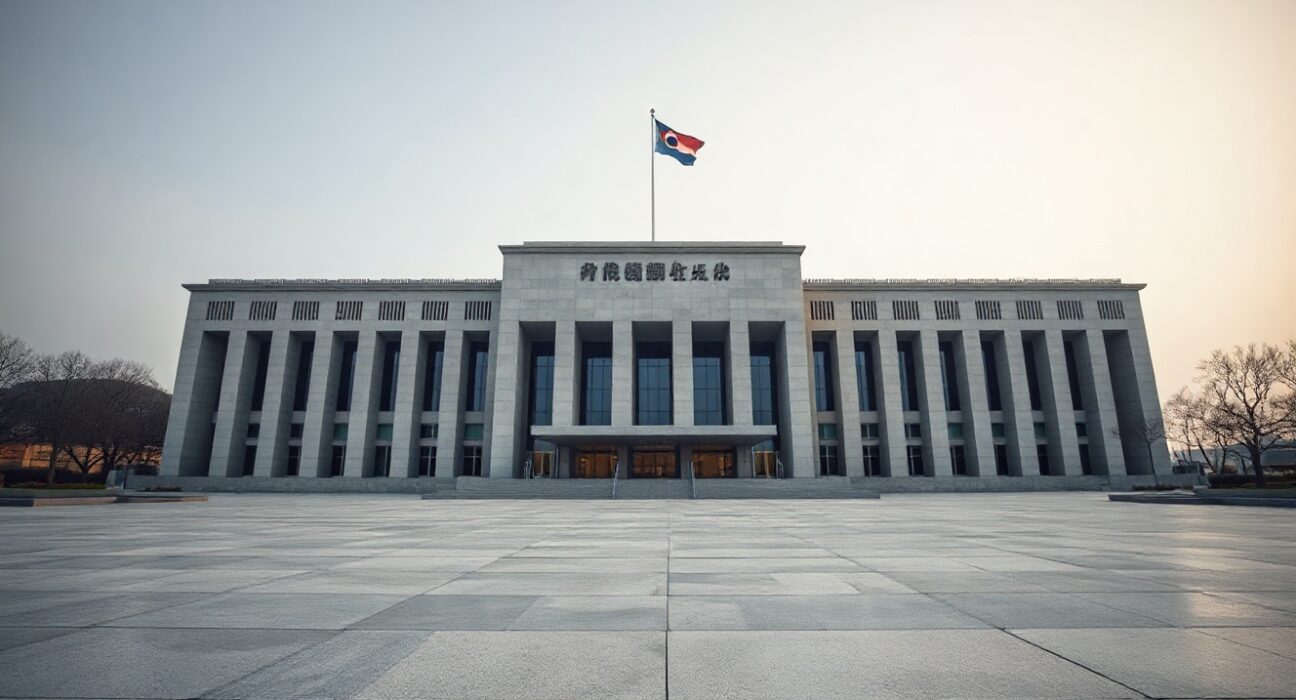
South Korea’s ruling Democratic Party is moving to accelerate the enactment of a second-phase basic act on digital assets during the second half of 2025, according to a report by Maeil Business Newspaper. The move signals the party’s intent to establish a more comprehensive legal framework for the country’s rapidly evolving digital asset market.
Policy Debate Highlights Stablecoin Regulation
At a policy debate on stablecoins held earlier today, Democratic Party lawmaker Ahn Do-geol, who serves as secretary for the party’s Digital Asset Task Force, stated that the task force is in the final stages of coordinating several contentious issues surrounding the proposed legislation. Ahn added that he expects the bill to be discussed with considerable speed during the latter half of the parliamentary session and that the Democratic Party is preparing thoroughly for its passage.
The debate underscored a growing recognition among South Korean lawmakers that stablecoins have evolved beyond simple virtual assets into critical payment infrastructure. Participants noted that the country urgently needs to establish a regulatory testbed to experiment with rules before their formal introduction, allowing policymakers to assess potential risks and market impacts in a controlled environment.
Context and Implications for South Korea’s Crypto Market
South Korea has been one of the most active jurisdictions globally in terms of cryptocurrency adoption and trading volume. The country’s first-phase digital asset legislation, enacted in 2023, focused primarily on investor protection and anti-money laundering measures. The second-phase basic act is expected to address broader regulatory gaps, including the classification of digital assets, licensing requirements for service providers, and specific rules for stablecoins.
The Democratic Party’s push to fast-track the legislation comes amid increasing global regulatory activity around stablecoins, particularly in the European Union with its Markets in Crypto-Assets (MiCA) framework and in Japan, which has already implemented stablecoin-specific laws. South Korea’s move is seen as an effort to maintain its competitive position in the digital asset space while ensuring financial stability and consumer protection.
Why This Matters to Investors and Market Participants
For cryptocurrency exchanges, wallet providers, and blockchain projects operating in South Korea, the second-phase act could introduce new compliance obligations but also provide much-needed legal clarity. Stablecoin issuers, in particular, face an uncertain regulatory environment globally, and South Korea’s approach—including the proposed testbed—could serve as a model for other Asian markets.
The legislation is also significant for retail investors, who represent a substantial portion of South Korea’s crypto trading activity. Clearer rules around stablecoin reserves, redemption rights, and operational transparency could reduce the risk of market disruptions similar to the Terra-LUNA collapse in 2022, which originated in South Korea and had global repercussions.
Conclusion
The Democratic Party’s commitment to fast-tracking the digital asset basic act in the second half of 2025 reflects South Korea’s determination to establish a mature regulatory framework for the crypto industry. With stablecoins now recognized as payment infrastructure rather than mere speculative assets, the legislation’s passage could have far-reaching implications for the country’s financial system and its role in the global digital economy. Market participants and international observers will be watching closely as the parliamentary debate unfolds.
FAQs
Q1: What is the second-phase digital asset basic act in South Korea?
The second-phase basic act is a comprehensive piece of legislation aimed at regulating digital assets beyond the initial investor protection and anti-money laundering measures. It is expected to address stablecoin regulation, licensing for crypto service providers, and the classification of digital assets.
Q2: Why is the Democratic Party fast-tracking this legislation now?
The party aims to provide legal clarity for the growing digital asset market, particularly for stablecoins, which have evolved into payment infrastructure. The fast-track approach reflects urgency to align South Korea with global regulatory trends and prevent market instability.
Q3: What is a regulatory testbed for stablecoins?
A regulatory testbed is a controlled environment where policymakers and market participants can experiment with new rules and assess their impact before full implementation. South Korea is considering such a testbed to safely introduce stablecoin regulations.
Disclaimer: The information provided is not trading advice, Bitcoinworld.co.in holds no liability for any investments made based on the information provided on this page. We strongly recommend independent research and/or consultation with a qualified professional before making any investment decisions.
