

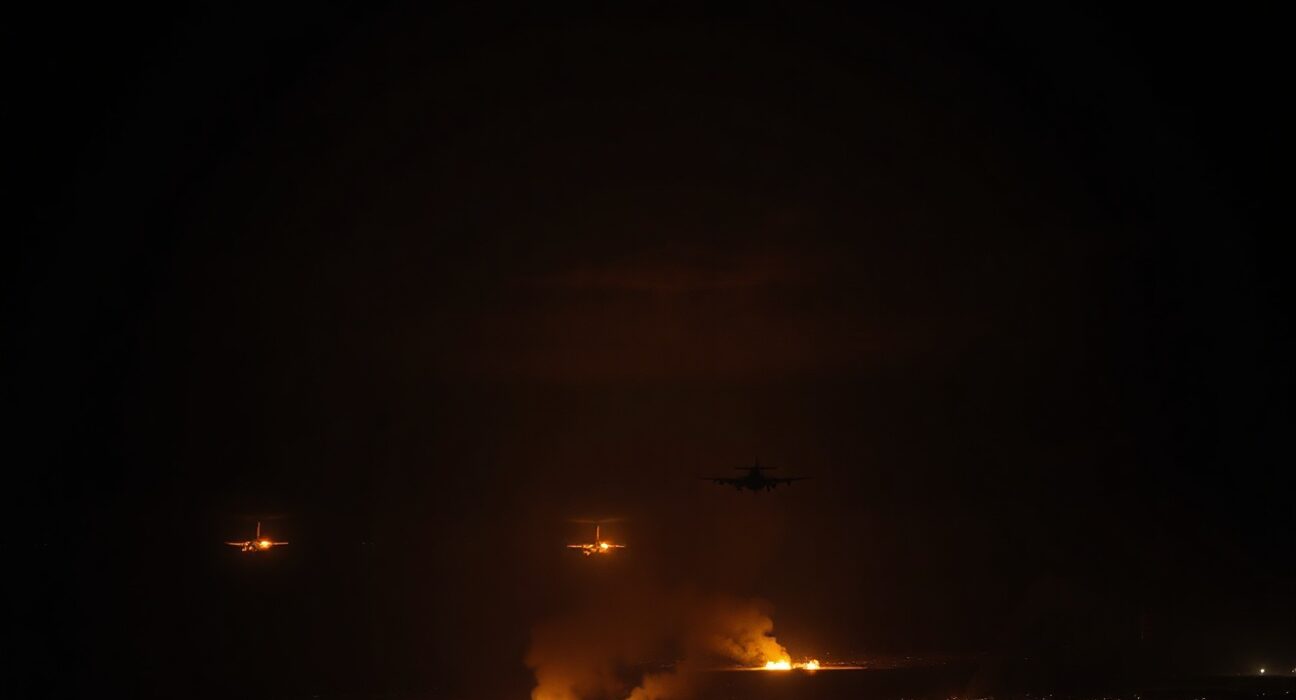
Former US President Donald Trump has stated that he is nearing a decision to authorize new military strikes targeting Iranian infrastructure, escalating already heightened tensions between Washington and Tehran. The remarks, made during a press briefing at his Mar-a-Lago residence, signal a potential shift in the region’s geopolitical landscape and have already begun to influence global energy markets.
Context of the Escalation
The comments come amid a prolonged period of strained US-Iran relations, following the collapse of the 2015 nuclear deal and subsequent rounds of sanctions. Trump’s administration previously authorized a strike that killed Iranian General Qasem Soleimani in 2020, and these latest statements suggest a renewed willingness to use military force to counter what the US describes as Iranian aggression against American interests and allies in the Middle East.
Iran has continued to expand its nuclear enrichment program, and US intelligence reports indicate increased activity by Iranian-backed militias in Iraq, Syria, and Yemen. The White House has not yet confirmed the President’s timeline, but officials have acknowledged that contingency planning is underway.
Potential Targets and Implications
While Trump did not specify exact targets, analysts point to several categories of Iranian infrastructure that could be considered: oil and gas facilities, military production sites, drone and missile bases, and cyber command centers. Any strikes would likely aim to degrade Iran’s ability to project power and disrupt global oil supply routes, particularly through the Strait of Hormuz.
The potential for retaliation is significant. Iran has previously demonstrated its ability to strike at US assets and allies through proxy forces, and any military action could trigger a broader regional conflict. Energy markets are already reacting, with crude oil futures rising sharply following the President’s statement.
Why This Matters for Readers
For investors, the energy sector is likely to experience increased volatility. For those in the Middle East, the risk of direct military confrontation is higher than it has been in years. The situation also has implications for global diplomatic efforts, including ongoing negotiations with Iran over its nuclear program. Readers should monitor official statements from both the US Department of Defense and Iranian leadership for the most accurate and current information.
Conclusion
President Trump’s indication that new strikes against Iranian infrastructure are imminent represents a major development in US foreign policy. While no action has been taken yet, the rhetoric alone has shifted market sentiment and raised the stakes in a region already defined by instability. The coming days will be critical in determining whether diplomacy or military action prevails.
FAQs
Q1: What specific Iranian infrastructure is being targeted?
A: President Trump did not specify exact targets. Analysts suggest potential targets include oil facilities, military production sites, drone bases, and cyber command centers.
Q2: How have markets reacted to the news?
A: Crude oil futures rose sharply following the statement, reflecting concerns about potential supply disruptions through the Strait of Hormuz.
Q3: What is the likelihood of Iranian retaliation?
A: High. Iran has historically responded to US military action through proxy forces and direct attacks on regional assets, including oil tankers and military bases.
Disclaimer: The information provided is not trading advice, Bitcoinworld.co.in holds no liability for any investments made based on the information provided on this page. We strongly recommend independent research and/or consultation with a qualified professional before making any investment decisions.
