

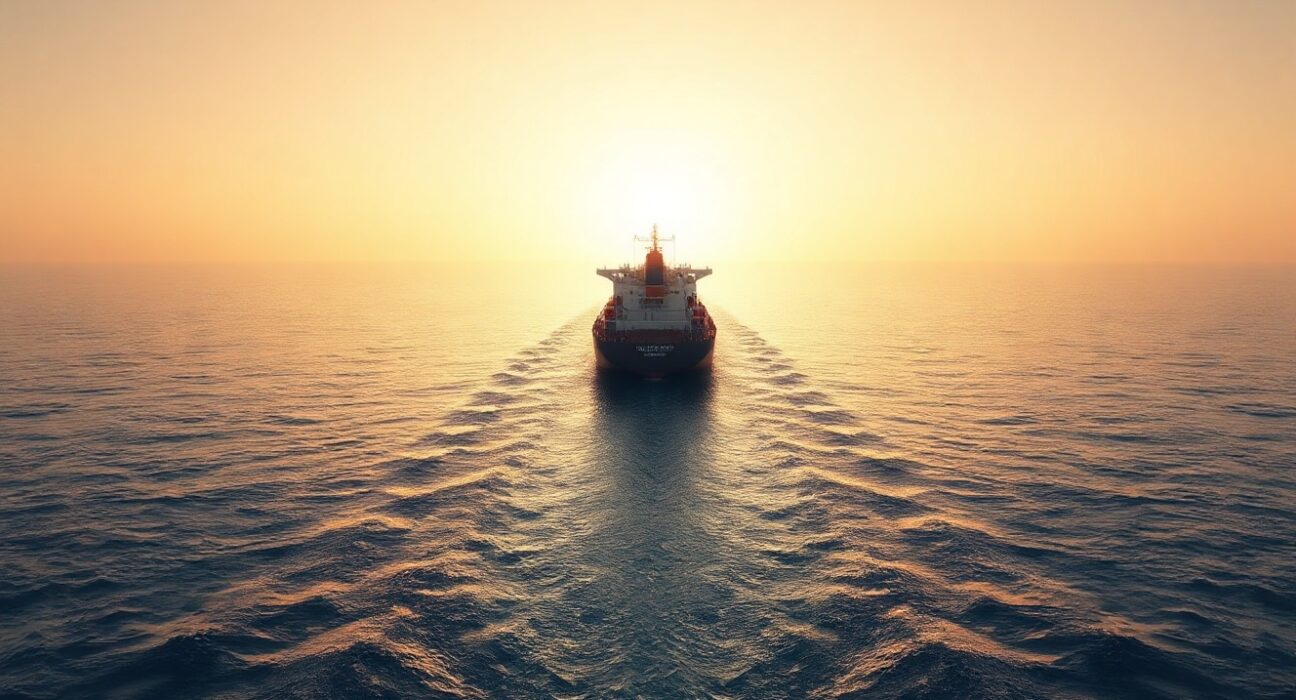
U.S. President Donald Trump stated that the Strait of Hormuz will be reopened immediately once an agreement is reached with Iran. The comment, made during a press briefing, signals a potential shift in U.S. policy toward easing maritime restrictions in one of the world’s most critical oil transit chokepoints.
Strategic Significance of the Strait
The Strait of Hormuz connects the Persian Gulf with the Gulf of Oman and the Arabian Sea. Approximately 20% of the world’s oil passes through this narrow waterway, making it a focal point for global energy security and geopolitical tension. Iran has previously threatened to block the strait in response to sanctions or military action, a move that would disrupt global oil supplies and send prices soaring.
Trump’s statement suggests that any prospective deal would include guarantees for safe passage through the strait, a key demand from both Gulf states and international shipping companies. The timeline for such an agreement remains unclear, and no formal negotiations have been announced.
Market and Geopolitical Implications
Oil markets reacted cautiously to the news, with benchmark crude prices holding steady as traders await further details. Analysts note that even a credible commitment to reopen the strait could reduce risk premiums in oil pricing, potentially lowering costs for consumers and businesses globally.
The statement also carries implications for U.S. relations with Gulf allies, including Saudi Arabia and the United Arab Emirates, who have long sought a stable security framework for the region. Any agreement that secures the strait without addressing broader Iranian nuclear or missile activities may face skepticism from these partners.
What This Means for Global Shipping
For the shipping industry, the reopening of the Strait of Hormuz under a formal agreement would reduce insurance costs and operational risks for tankers transiting the region. Since 2019, several vessels have been seized or attacked near the strait, leading to increased security measures and higher shipping premiums. A diplomatic resolution could restore confidence in one of the world’s most vital maritime routes.
Conclusion
Trump’s assertion that the Strait of Hormuz will open immediately upon an agreement with Iran represents a significant policy signal. While the details of any potential deal remain speculative, the statement underscores the centrality of maritime security in U.S.-Iran negotiations. The coming weeks will reveal whether diplomatic progress matches the president’s rhetoric.
FAQs
Q1: Why is the Strait of Hormuz important?
The Strait of Hormuz is a narrow waterway through which about 20% of the world’s oil passes. It is a critical chokepoint for global energy supplies.
Q2: What did Trump say about the strait?
President Trump said the Strait of Hormuz will be reopened immediately once an agreement with Iran is reached, indicating a potential diplomatic breakthrough.
Q3: How would this affect oil prices?
A credible agreement to secure the strait could reduce geopolitical risk premiums, potentially lowering oil prices. Markets are currently watching for further details.
Disclaimer: The information provided is not trading advice, Bitcoinworld.co.in holds no liability for any investments made based on the information provided on this page. We strongly recommend independent research and/or consultation with a qualified professional before making any investment decisions.
