

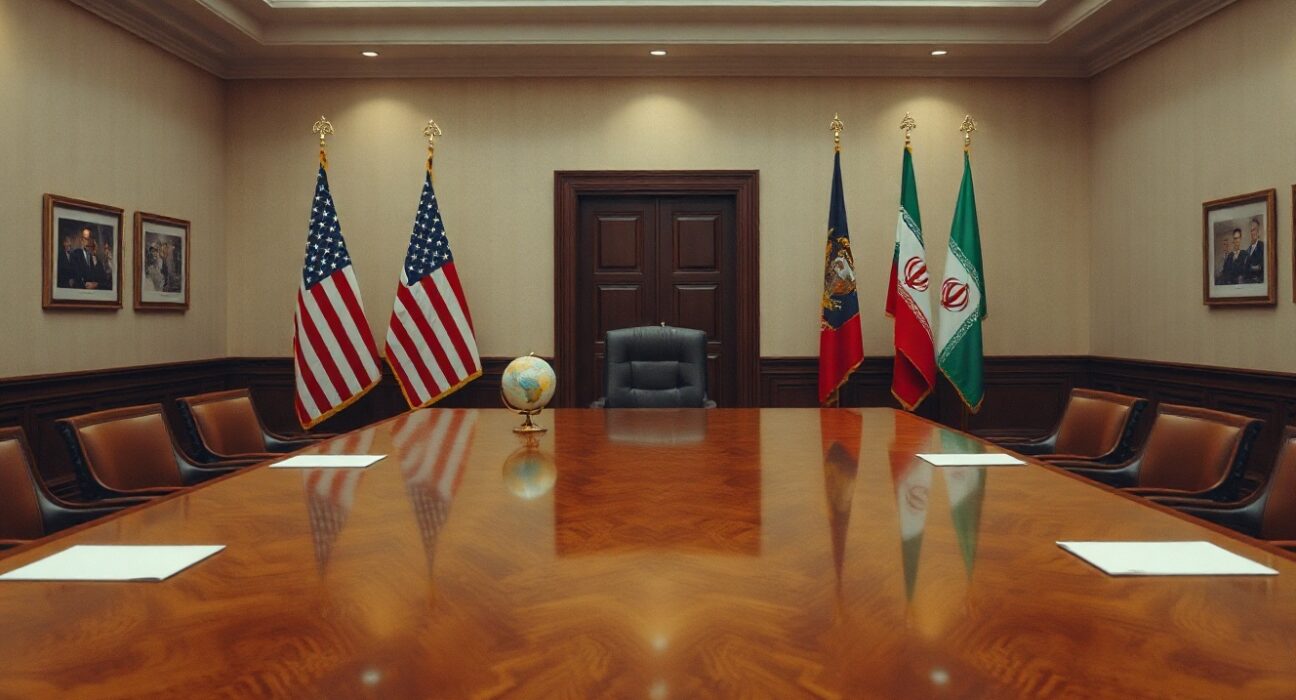
In a significant shift in nuclear diplomacy, US President Donald Trump has stated that the United States seeks to obtain Iran’s stockpile of enriched uranium as part of ongoing negotiations. The remark, made during a press conference on March 20, 2025, signals a new phase in the long-running dispute over Iran’s nuclear program and has immediate implications for global energy markets and nonproliferation efforts.
Background and Context
Iran’s enriched uranium stockpile has been a central point of contention since the 2015 Joint Comprehensive Plan of Action (JCPOA), from which the US withdrew in 2018 under the first Trump administration. Since then, Iran has expanded its enrichment activities, producing uranium enriched up to 60% purity, close to weapons-grade levels. International inspectors from the International Atomic Energy Agency (IAEA) have repeatedly raised concerns about the lack of full transparency.
The Trump administration’s current proposal would involve transferring Iran’s enriched uranium to US custody, ostensibly to prevent any potential weaponization. However, the plan raises complex legal and logistical questions, including how the uranium would be stored, transported, and whether Iran would receive compensation or sanctions relief in return.
Market and Geopolitical Implications
The announcement has already affected oil and uranium markets, with prices fluctuating amid uncertainty. Analysts note that any deal involving the transfer of enriched uranium would require robust verification mechanisms and could set a precedent for future nuclear nonproliferation agreements. Critics argue that the US demand may be a non-starter for Tehran, which views its enrichment capability as a sovereign right and a key bargaining chip.
Expert Analysis
Dr. Elena Voss, a nuclear policy expert at the Center for Strategic Studies, commented: ‘This is a bold move that reframes the negotiation from limiting enrichment to physically removing the material. It could either break the deadlock or escalate tensions, depending on how Iran responds.’ The coming weeks are likely to see intensified diplomatic activity, with European and Gulf states closely watching the outcome.
Conclusion
The Trump administration’s demand for Iran’s enriched uranium marks a new chapter in US-Iran nuclear diplomacy. While the proposal aims to eliminate the immediate risk of weaponization, its feasibility remains uncertain. The situation underscores the delicate balance between national security, international law, and energy markets, with global implications that extend far beyond the negotiating table.
FAQs
Q1: Why does the US want Iran’s enriched uranium?
The US aims to prevent Iran from developing nuclear weapons by removing the enriched material that could be used for a bomb. The proposal is part of broader negotiations to curb Iran’s nuclear activities.
Q2: What is the current status of Iran’s uranium enrichment?
As of early 2025, Iran has enriched uranium to up to 60% purity, with a stockpile estimated at several hundred kilograms. This level is below the 90% needed for a weapon but close enough to raise proliferation concerns.
Q3: How might Iran respond to this demand?
Iran has historically insisted on its right to enrich uranium for civilian purposes. The demand for physical transfer of its stockpile is likely to face strong opposition, though Iran may consider it as part of a broader deal involving sanctions relief and security guarantees.
Disclaimer: The information provided is not trading advice, Bitcoinworld.co.in holds no liability for any investments made based on the information provided on this page. We strongly recommend independent research and/or consultation with a qualified professional before making any investment decisions.
