

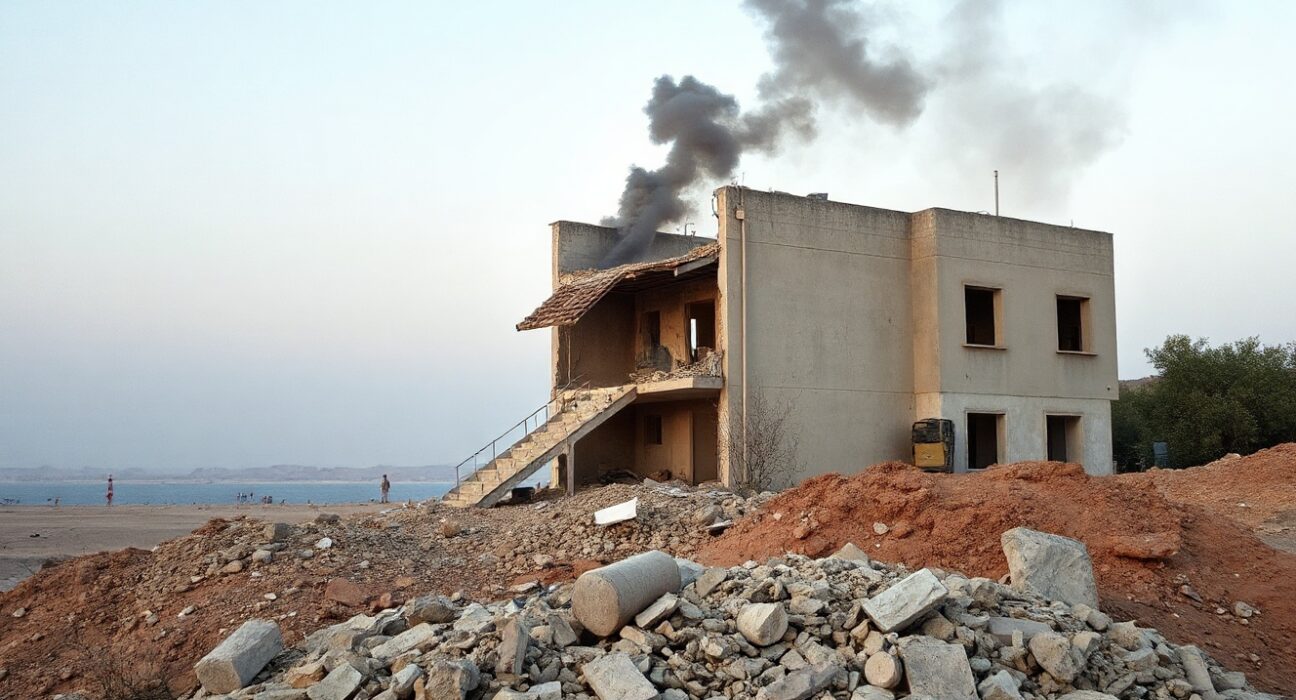
Iran has warned that the United States will “pay the price” for the deaths of civilians on Qeshm Island, following a series of strikes that have heightened tensions across the region. The warning, delivered by Iranian officials on [Date], came after what Tehran described as a US attack on residential areas in the strategic island, which lies in the Strait of Hormuz.
Background of the strikes
The strikes on Qeshm Island mark a significant escalation in the ongoing confrontation between Iran and the United States. Qeshm, the largest island in the Persian Gulf, is home to both civilian populations and key military infrastructure, including the Qeshm Airbase and the Bandar Abbas naval base nearby. The area has been a flashpoint in recent months as US forces have increased operations in the region, targeting what they describe as Iran-backed militias and missile sites.
Iranian state media reported that at least [number] civilians were killed and several others wounded in the strikes, though independent verification of these figures is still pending. The US military has not yet issued an official statement confirming or denying the specific incident, but has previously stated that its operations are aimed at degrading Iranian military capabilities and deterring attacks on US personnel and allies.
Iran’s response and regional implications
In response, Iran’s Supreme National Security Council convened an emergency session, with officials vowing to retaliate. “The United States will pay the price for this reckless act,” said [Iranian official name, if available] in a televised address. “Our nation will not remain silent in the face of such aggression.”
The warning has raised fears of a wider conflict in the region, particularly in the Strait of Hormuz, through which about 20% of the world’s oil passes. Any disruption to shipping lanes could have significant implications for global energy markets and international security. Analysts note that Iran has previously threatened to close the strait, though such a move is seen as a last resort.
Why this matters
The Qeshm incident is not an isolated event but part of a pattern of escalating tit-for-tat actions between Washington and Tehran. Since the collapse of the 2015 nuclear deal and the subsequent re-imposition of US sanctions, the two countries have been locked in a cycle of brinkmanship. This latest development could further destabilize an already volatile region, with potential consequences for global oil prices, regional security, and the prospects for diplomatic engagement.
Conclusion
As the situation continues to evolve, the international community is closely watching for further developments. The lack of independent verification and the absence of an official US response make it difficult to assess the full scope of the incident. However, the rhetoric from Tehran is clear: the United States will face consequences. The coming days will be critical in determining whether this escalation remains rhetorical or leads to further military action.
FAQs
Q1: Where is Qeshm Island and why is it strategically important?
Qeshm Island is located in the Strait of Hormuz, a narrow waterway between the Persian Gulf and the Gulf of Oman. It is strategically important because it lies near major shipping lanes and is home to Iranian military installations, including an airbase and naval facilities.
Q2: What has been the US military’s stated objective in the region?
The US military has stated that its operations in the region are aimed at deterring and degrading Iranian-backed forces that pose a threat to US personnel, allies, and freedom of navigation. The Pentagon has not yet commented specifically on the Qeshm strikes.
Q3: How could this incident affect global oil prices?
The Strait of Hormuz is a critical chokepoint for global oil shipments. Any escalation that threatens shipping in the strait could lead to supply disruptions and a spike in oil prices. Markets are already sensitive to geopolitical risks in the region, and this incident could add to those concerns.
Disclaimer: The information provided is not trading advice, Bitcoinworld.co.in holds no liability for any investments made based on the information provided on this page. We strongly recommend independent research and/or consultation with a qualified professional before making any investment decisions.
