

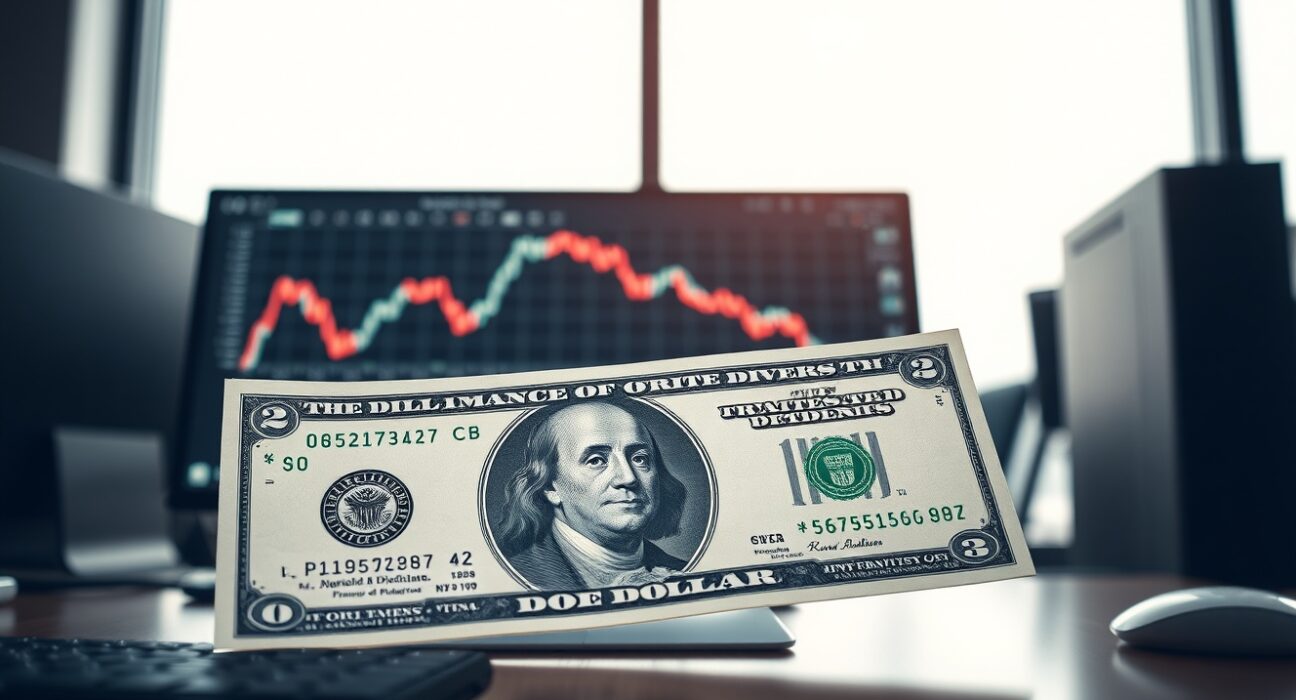
The US dollar extended its losses following the Federal Reserve’s latest policy meeting, as market participants continued to unwind long positions, according to analysts at ING.
What’s Driving the Dollar’s Decline?
The dollar index, which measures the greenback against a basket of major currencies, has fallen for a third consecutive session as of [current date]. This move follows the Federal Reserve’s decision to hold interest rates steady, while signaling a more cautious approach to future hikes. ING analysts note that the market’s reaction reflects a repositioning after a period of dollar strength, with investors now reassessing the Fed’s policy trajectory.
Market Reactions and Implications
The euro and yen have both gained against the dollar, benefiting from the greenback’s weakness. This shift has implications for global trade, commodities, and emerging market currencies, which often move inversely to the dollar. ING’s commentary highlights that the unwinding of long dollar positions could continue in the near term, especially if upcoming economic data fails to reinforce the case for further Fed tightening.
What Should Investors Watch?
Investors are now focused on upcoming US inflation data and employment figures, which will likely influence the Fed’s next move. A softer inflation print could further weaken the dollar, while stronger data might prompt a rebound. The broader trend also hinges on global growth dynamics and central bank policies outside the US.
Conclusion
In summary, the US dollar is under pressure as positioning unwinds post-Fed, with ING pointing to a continued adjustment in the market. The near-term direction will depend on economic data and central bank signals, making it a key period for currency traders.
FAQs
Q1: Why is the US dollar falling?
The dollar is falling as investors unwind long positions after the Federal Reserve’s cautious stance on interest rates, leading to a reassessment of the currency’s outlook.
Q2: What is the dollar index?
The dollar index (DXY) measures the value of the US dollar relative to a basket of six major currencies, including the euro, yen, and pound. It is a common benchmark for dollar strength.
Q3: How does a weaker dollar affect global markets?
A weaker dollar can boost commodities prices, support emerging market currencies, and make US exports more competitive, but it may also increase import costs and inflation pressures domestically.
Disclaimer: The information provided is not trading advice, Bitcoinworld.co.in holds no liability for any investments made based on the information provided on this page. We strongly recommend independent research and/or consultation with a qualified professional before making any investment decisions.
