

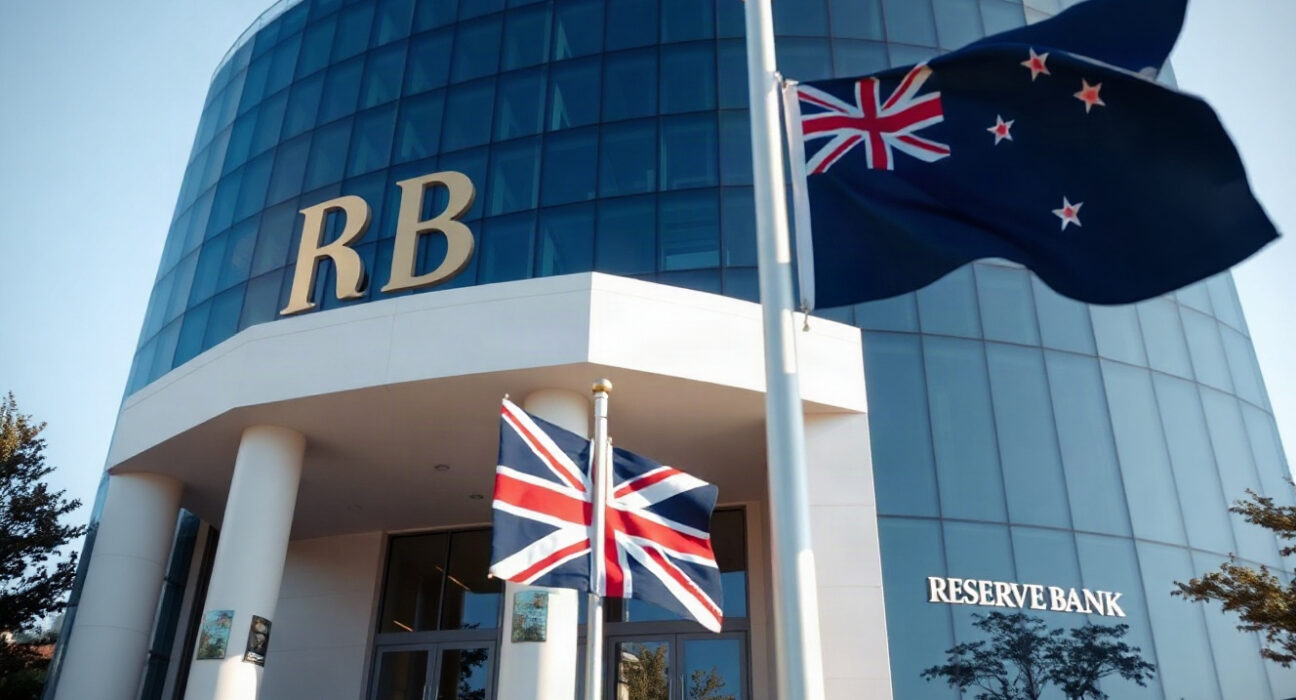
The Reserve Bank of New Zealand (RBNZ) is set to raise its official cash rate (OCR) to 2.75% at its upcoming monetary policy meeting, according to market expectations and analyst consensus. This move, widely anticipated by economists, would mark another step in the central bank’s tightening cycle aimed at curbing persistent inflation.
Why the RBNZ Is Raising Rates
New Zealand has been grappling with inflation rates well above the RBNZ’s 1-3% target band. As of the latest data, annual inflation stood at 5.6% in the first quarter of 2025, driven by rising housing costs, food prices, and imported energy prices. The central bank has signaled that it will continue to raise rates until price pressures show clear signs of easing.
The decision to raise the OCR to 2.75% reflects the RBNZ’s commitment to bringing inflation under control, even if it means slowing economic growth. The bank’s projections indicate that further hikes may be necessary, with some analysts predicting the OCR could reach 3.5% by the end of the year.
Market and Economic Implications
The rate hike is expected to have significant implications for mortgage holders, businesses, and the broader New Zealand economy. Higher interest rates will increase borrowing costs, potentially cooling the housing market and dampening consumer spending. However, the move is seen as a necessary step to prevent inflation from becoming entrenched.
Financial markets have already priced in the increase, and the New Zealand dollar has firmed in recent weeks on expectations of higher yields. The RBNZ’s decision will be closely watched by investors for any hints about the future path of rates, especially given global economic uncertainties and the impact of the COVID-19 pandemic on supply chains.
Impact on Households and Businesses
For households with variable-rate mortgages, the rate hike will translate into higher monthly repayments. For example, a typical $500,000 mortgage could see repayments increase by approximately $70 per month. Small businesses, particularly those in retail and hospitality, may face reduced consumer spending as disposable incomes shrink.
On the positive side, savers may benefit from higher deposit rates, and the move could help stabilize the New Zealand dollar, making imports cheaper. The RBNZ’s actions are part of a broader global trend, with central banks in the US, UK, and Australia also tightening monetary policy to combat inflation.
Conclusion
The RBNZ’s decision to raise the OCR to 2.75% underscores its determination to restore price stability. While the move will bring short-term pain for borrowers, it is a necessary measure to ensure long-term economic health. The bank’s future actions will depend on incoming data, and markets will remain vigilant for signals on the pace of further tightening.
FAQs
Q1: When will the RBNZ announce the rate decision?
The RBNZ’s next monetary policy statement is scheduled for May 26, 2025, with the decision expected to be announced at 2:00 PM NZST.
Q2: How will this affect mortgage rates?
Banks are likely to pass on the OCR increase to variable mortgage rates, resulting in higher monthly repayments for borrowers. Fixed-rate mortgages may also see upward pressure as funding costs rise.
Q3: Is this the last rate hike?
Not necessarily. The RBNZ has indicated that further hikes may be needed if inflation remains elevated. The future path will depend on economic data, including inflation, employment, and GDP growth.
Disclaimer: The information provided is not trading advice, Bitcoinworld.co.in holds no liability for any investments made based on the information provided on this page. We strongly recommend independent research and/or consultation with a qualified professional before making any investment decisions.
