

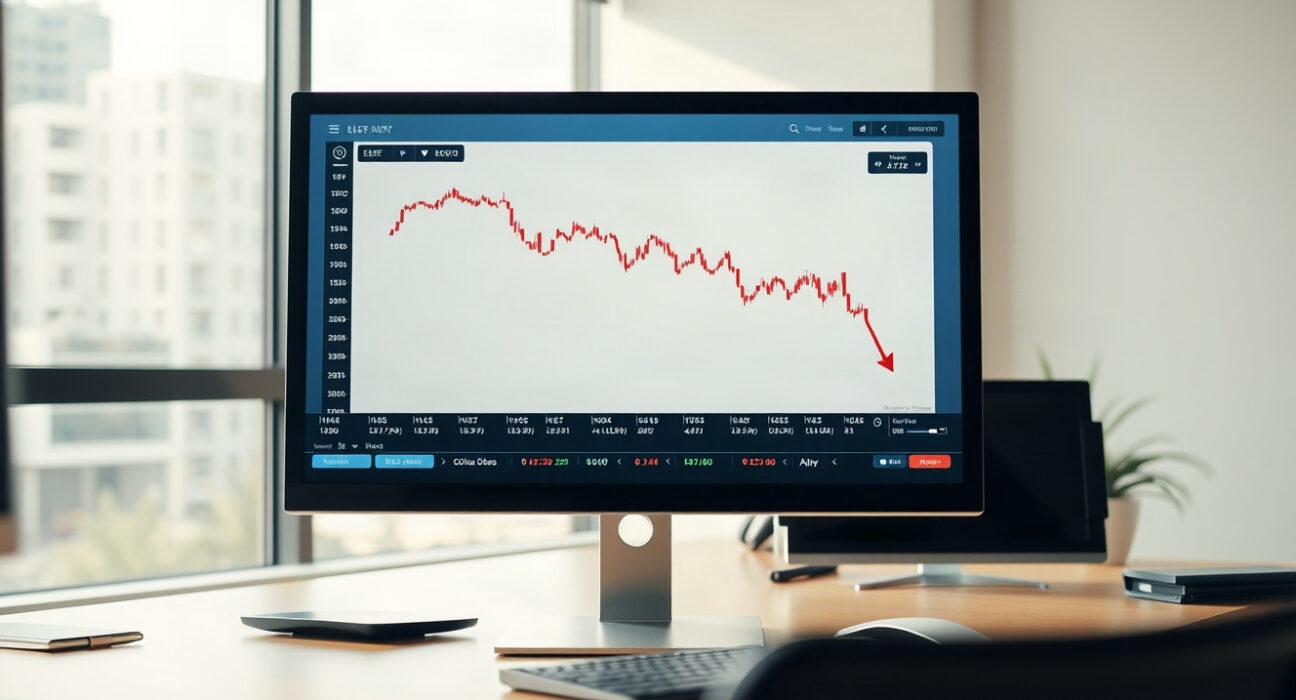
The British pound weakened against the US dollar on Tuesday, with GBP/USD slipping below the 1.3550 level as traders weighed the latest UK inflation data and renewed expectations for Federal Reserve policy tightening. The pair’s decline reflects a broader market shift toward the greenback, driven by resilient US economic data and hawkish comments from Fed officials.
Why is GBP/USD Falling?
The immediate catalyst for the pound’s drop is the combination of hotter-than-expected US inflation figures and a more cautious outlook from the Bank of England. On Tuesday, the US dollar index rose 0.3% after data showed consumer prices increased 3.1% year-on-year in February, exceeding forecasts. This reinforced the view that the Fed may keep interest rates higher for longer, boosting demand for the dollar.
Meanwhile, the UK’s economic picture remains mixed. While inflation has cooled from double-digit highs, it still hovers above the Bank of England’s 2% target, limiting the central bank’s ability to cut rates. This divergence in monetary policy expectations has widened the yield gap between US and UK government bonds, making the dollar more attractive to investors.
Market Reaction and Key Levels
As of the London afternoon session, GBP/USD traded at 1.3542, down 0.4% on the day. The pair has found immediate support at the 1.3500 psychological level, with a break below that opening the door to the 200-day moving average near 1.3420. On the upside, resistance is seen at 1.3580 and then the recent high of 1.3640.
Analysts note that the pound’s resilience in recent weeks has been underpinned by expectations of UK economic recovery and a less dovish Bank of England compared to the European Central Bank. However, the latest price action suggests that dollar strength is currently the dominant force in the forex market.
What This Means for Traders and Businesses
For currency traders, the key takeaway is the heightened sensitivity to US inflation data and Fed commentary. Any further signs of sticky US inflation could push GBP/USD lower, while a surprise dovish shift from the Fed might trigger a rebound. For UK businesses that rely on imports, a weaker pound increases costs, potentially feeding into domestic inflation and complicating the Bank of England’s policy decisions.
Broader Economic Context
The pound’s slide comes ahead of the Bank of England’s next policy meeting, scheduled for March 20. Market pricing currently implies a 60% chance of a 25-basis-point rate cut in May, but this could change if inflation data remains sticky. On the US side, the Federal Reserve’s next meeting is set for March 19-20, where officials will update their economic projections. Any upward revision to the Fed’s rate path could further pressure GBP/USD.
Conclusion
GBP/USD’s decline below 1.3550 underscores the ongoing tug-of-war between US dollar strength and UK economic fundamentals. With both central banks set to meet next week, volatility is likely to remain elevated. Traders should watch the 1.3500 support level closely, as a decisive break could signal a deeper correction, while any positive UK data could help the pound regain ground.
FAQs
Q1: What does GBP/USD falling below 1.3550 mean for the UK economy?
A weaker pound makes UK exports cheaper and more competitive, but it raises the cost of imports, potentially fueling inflation. For consumers, this could mean higher prices on foreign goods and services.
Q2: Why is the US dollar strengthening?
The dollar is benefiting from resilient US economic data, which has led investors to expect the Federal Reserve to keep interest rates higher for longer. This attracts capital flows into dollar-denominated assets, boosting the currency.
Q3: What key levels should traders watch in GBP/USD?
Immediate support is at 1.3500, followed by the 200-day moving average near 1.3420. Resistance is at 1.3580 and 1.3640. A break above 1.3640 could signal renewed bullish momentum, while a move below 1.3420 might indicate a more prolonged downtrend.
Disclaimer: The information provided is not trading advice, Bitcoinworld.co.in holds no liability for any investments made based on the information provided on this page. We strongly recommend independent research and/or consultation with a qualified professional before making any investment decisions.
