Hong Kong to Table Crypto Licensing Bill Before End of 2026
In this article
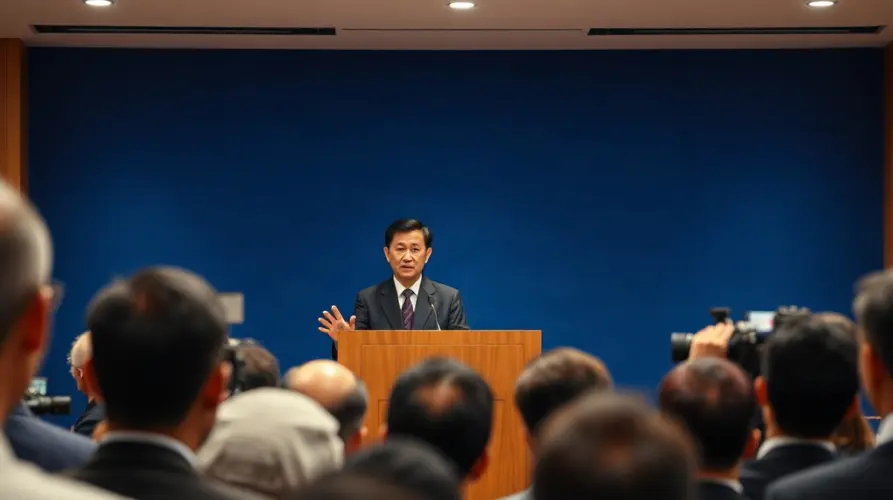
Hong Kong will submit a bill before the end of 2026 to bring digital asset dealing, investment advice, asset management and custody inside its licensing regime, Financial Secretary Paul Chan said in a keynote at the Bloomberg Global Regulatory Forum on November 16, 2026. Chan told the forum that the legislation would “complete the regulatory perimeter,” according to Crypto.news, adding that decentralisation “does not mean less accountability.”
How the licensing rules were built
Hong Kong has spent more than a year preparing the framework. Crypto.news reported that the Financial Services and the Treasury Bureau and the Securities and Futures Commission have already completed consultations on all four activities, with the rules expected to come through amendments to the Anti-Money Laundering and Counter-Terrorist Financing Ordinance.
Consultation on dealing and custody opened in June 2025, drew more than 190 responses, and concluded that December. A separate consultation on advisory and management services received 51 responses, with conclusions confirmed in May 2026. Secretary for Financial Services and the Treasury Christopher Hui confirmed in October that the government intended to file the legislation before year-end, per Crypto.news.
Under the proposals, dealers would face standards modelled partly on securities dealing rules, advisers would follow norms similar to securities advisers, and asset managers would be regulated along the lines of traditional managers. Custody rules would focus on how client assets and private keys are stored and protected.
The two reports frame the story differently. Crypto.news covers the bill’s mechanics and the consultation history in detail; PANews, citing a Hong Kong government press release, leads with Chan’s statement that the framework will be further improved and summarises the stablecoin and tokenization figures. Neither outlet reports a disagreement on figures or dates.
Stablecoins and tokenized funds move into live use
Alongside the bill, Chan gave an update on Hong Kong’s stablecoin framework. Crypto.news reported that the two licensed issuers — HSBC and Anchorpoint — have both launched Hong Kong dollar-backed stablecoins, moving the regime into commercial operation. Chan said licensing decisions prioritise genuine business applications and credible operating models, citing cross-border payments as an example.

On tokenization, publicly offered funds grew about sevenfold in a year, and two tokenized money market funds began round-the-clock trading on a licensed platform in October. Earlier in November, the Hong Kong Monetary Authority expanded its EnsembleTX infrastructure to support continuous settlement of tokenized transactions while preparing trials with regulated stablecoins and tokenized government debt, Crypto.news reported. Chan said tokenized products would face the same requirements as conventional ones, with added safeguards for technology-specific risks.
Why it matters
The bill would extend a licensing net that already covers trading platforms and stablecoin issuers to the firms that advise, manage and safekeep crypto. For businesses, that means formal authorisation requirements rather than operating outside the perimeter. It follows earlier signals from Hong Kong on enforcement against unlicensed payment platforms, and sits alongside work on a gold token backed by 400-ounce bars.
What to watch
The test is whether the bill is actually introduced before the end of 2026, as Chan said. Once tabled, the four licensing categories and the AML/CTF amendments will move into the legislative process, where the application date for existing businesses will be set.
On the stablecoin side, the next markers are whether HSBC’s RedCoin and Anchorpoint’s HKDAP expand beyond their initial channels, and whether the EnsembleTX trials involving regulated stablecoins and tokenized government debt progress.
Frequently Asked Questions
Which crypto activities will the new Hong Kong bill cover?
The bill targets four areas: dealing in digital assets, investment advice, asset management and custody of client assets and private keys.
How many stablecoin issuers did Hong Kong license in its first round?
Two of the 36 applicants were approved in April — HSBC and Standard Chartered-backed Anchorpoint Financial — and both have since launched Hong Kong dollar stablecoins.
How large is Hong Kong’s publicly offered tokenized fund market now?
Paul Chan said publicly offered tokenized funds grew roughly sevenfold within a year, and two tokenized money market funds have traded around the clock on a licensed platform since October.
What legal instrument will carry the new licensing rules?
Crypto.news reported that the proposed rules are expected to arrive through amendments to the Anti-Money Laundering and Counter-Terrorist Financing Ordinance.
Sources: crypto.news, PANews