

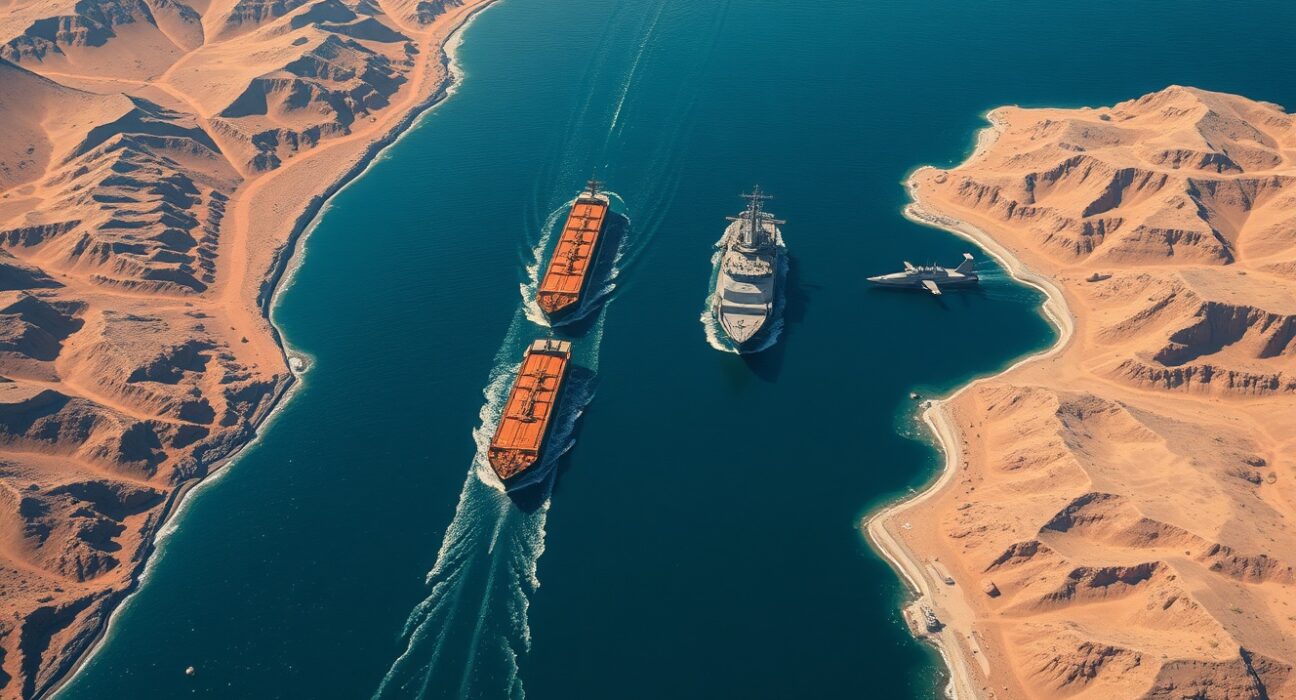
JERUSALEM, March 2025 – Israeli Prime Minister Benjamin Netanyahu has publicly confirmed former U.S. President Donald Trump’s unwavering determination to maintain the strategic blockade of the Strait of Hormuz, a critical development with profound implications for global energy security and Middle Eastern geopolitics. This statement, made during a high-level security briefing, underscores the continued volatility of the world’s most important oil transit chokepoint and signals a significant foreign policy posture as the 2024 U.S. election cycle concludes.
Understanding the Hormuz Strait Blockade Strategy
The Strait of Hormuz represents a narrow maritime passage between the Persian Gulf and the Gulf of Oman. Consequently, it serves as the transit route for approximately 21 million barrels of oil daily. This volume represents about 21% of global petroleum consumption. Furthermore, the strait handles one-third of the world’s liquefied natural gas shipments. The geography creates a natural chokepoint, making it vulnerable to disruption.
Former President Trump’s administration first implemented enhanced naval patrols in the region following a series of tanker attacks in 2019. Subsequently, the policy evolved into a more formalized interdiction strategy. Netanyahu’s recent comments confirm this approach remains a cornerstone of U.S. security policy in the region. The Israeli leader emphasized the blockade’s role in preventing Iranian aggression and ensuring free navigation.
Geopolitical Context and Historical Precedents
Historical data reveals the strait has been a flashpoint for decades. For instance, during the 1980s Tanker War, both Iran and Iraq targeted commercial shipping. More recently, Iran has repeatedly threatened to close the waterway in response to sanctions. The current blockade strategy involves a multinational naval presence, primarily led by the U.S. Fifth Fleet based in Bahrain.
Key elements of the blockade strategy include:
- Continuous aerial surveillance using drones and reconnaissance aircraft
- Rotating carrier strike group deployments in the Arabian Sea
- Coordination with regional partners including Saudi Arabia and the UAE
- Enhanced boarding and inspection protocols for suspicious vessels
Economic Impacts and Global Energy Markets
The blockade’s continuation directly affects global energy prices and supply chains. According to International Energy Agency reports, any sustained closure could trigger an immediate 20-30% spike in crude oil prices. Moreover, alternative shipping routes would increase transportation costs significantly. For example, tankers would need to navigate around the Arabian Peninsula via the longer Bab el-Mandeb Strait.
Asian economies remain particularly vulnerable to disruptions. Specifically, Japan, South Korea, and India import over 70% of their oil through Hormuz. European nations also depend on Qatari LNG shipments that transit the strait. Consequently, energy security discussions now dominate diplomatic dialogues between these nations and Gulf Cooperation Council members.
| Commodity | Daily Volume | Percentage of Global Trade |
|---|---|---|
| Crude Oil | 17.5 million barrels | 21% |
| Liquefied Natural Gas | 3.5 million barrels oil equivalent | 33% |
| Petroleum Products | 2.1 million barrels | 18% |
| Total Energy Products | 23.1 million barrels equivalent | ~25% |
Regional Security Implications and Expert Analysis
Security analysts note Netanyahu’s statement serves multiple diplomatic purposes. First, it reinforces Israel’s alignment with U.S. security priorities in the region. Second, it signals to Iran that pressure will continue regardless of nuclear negotiations. Third, it reassures Gulf allies about American commitment to regional stability.
Dr. Amina Al-Jaber, a senior fellow at the Middle East Institute, explains the strategic calculus. “The Hormuz blockade represents more than just maritime security,” she notes. “It functions as a leverage point in broader negotiations concerning Iran’s nuclear program and regional activities. Maintaining this pressure creates bargaining chips while preventing escalation.”
Regional responses have been mixed. Saudi Arabia and the United Arab Emirates have publicly supported the continued presence. Conversely, Oman has called for diplomatic solutions to reduce tensions. Meanwhile, Iran continues naval exercises near the strait, demonstrating its capacity to disrupt shipping if necessary.
Military and Operational Considerations
The U.S. Naval Forces Central Command maintains approximately 8,000 personnel and 15-20 ships in the region. This force includes guided-missile destroyers, cruisers, and occasional aircraft carriers. Additionally, the coalition incorporates vessels from the United Kingdom, France, and Australia. The operational tempo requires constant readiness against asymmetric threats like drone swarms and fast-attack craft.
Recent technological adaptations include:
- Deployment of laser defense systems on destroyers
- Enhanced mine-detection capabilities
- Improved intelligence sharing through CENTCOM networks
- Regular joint exercises with regional navies
Legal and Diplomatic Frameworks
International maritime law provides the legal basis for the blockade operations. Specifically, the United Nations Convention on the Law of the Sea guarantees innocent passage through territorial waters. However, security exceptions allow coastal states to implement temporary restrictions. The U.S. argues its actions fall under collective self-defense provisions following attacks on commercial vessels.
Diplomatic channels remain active despite military posturing. The European Union has attempted to mediate between Tehran and Washington. Simultaneously, China has proposed regional security dialogues that exclude Western powers. These competing initiatives create a complex diplomatic landscape where the blockade serves as both deterrent and bargaining tool.
Conclusion
Prime Minister Netanyahu’s confirmation of Trump’s determination to continue the Hormuz Strait blockade highlights the enduring strategic importance of this maritime corridor. The policy directly impacts global energy markets, regional security architectures, and great power competition. As geopolitical tensions persist, the blockade will likely remain a central feature of Middle Eastern security dynamics. Consequently, energy importing nations must continue developing contingency plans while diplomatic efforts seek lasting solutions to regional instability.
FAQs
Q1: What is the Strait of Hormuz and why is it important?
The Strait of Hormuz is a narrow waterway between the Persian Gulf and the Gulf of Oman. It serves as the transit route for approximately 21% of global oil consumption and 33% of liquefied natural gas shipments, making it the world’s most important energy chokepoint.
Q2: Why did former President Trump initiate the blockade?
The enhanced naval presence began in response to attacks on commercial tankers in 2019 that were attributed to Iranian forces. The strategy aims to ensure freedom of navigation, protect energy exports, and deter further aggression in the region.
Q3: How does the blockade affect global oil prices?
Analysts estimate any sustained closure could increase crude oil prices by 20-30% immediately. Even the threat of disruption creates volatility in energy markets and increases risk premiums on shipments.
Q4: What countries are most affected by Hormuz disruptions?
Asian economies including Japan, South Korea, India, and China are most vulnerable as they import the majority of their oil through the strait. European nations also depend on Qatari LNG that transits the waterway.
Q5: How does Israel benefit from the blockade continuation?
Israel views the blockade as aligning with its security interests by maintaining pressure on Iran, strengthening ties with Gulf Arab states, and ensuring U.S. military commitment to regional stability that indirectly enhances Israeli security.
Disclaimer: The information provided is not trading advice, Bitcoinworld.co.in holds no liability for any investments made based on the information provided on this page. We strongly recommend independent research and/or consultation with a qualified professional before making any investment decisions.
