

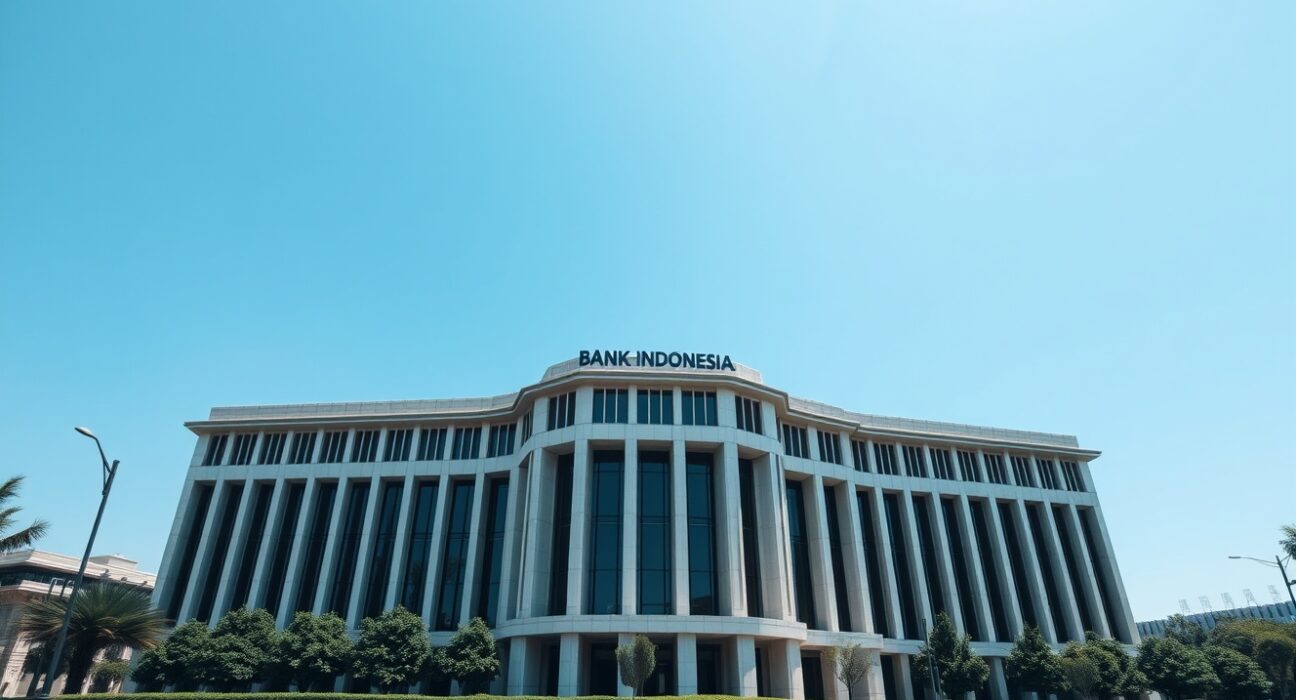
Economists at United Overseas Bank (UOB) have projected that Indonesia’s fiscal deficit will remain contained within the government’s legally mandated ceiling, offering a steady outlook for Southeast Asia’s largest economy. The forecast, issued on [Date of report, e.g., March 20, 2024], suggests that the government’s prudent fiscal management will continue to support market confidence.
Deficit Target and Fiscal Discipline
Indonesia’s Law No. 2/2020, enacted during the pandemic, temporarily suspended the 3% deficit-to-GDP cap, but the government has committed to returning to this threshold by 2023. UOB’s analysis indicates that the government is on track to meet this target, with the deficit likely to narrow further in the coming fiscal year. This is supported by robust tax revenues, driven by strong commodity prices and a recovering domestic economy, alongside disciplined state spending.
Market Implications and Rupiah Stability
A contained deficit is a key signal for foreign investors, as it reduces the risk of sovereign credit downgrades and helps maintain the stability of the Indonesian rupiah. UOB notes that a credible fiscal path is a cornerstone for the rupiah’s outlook, which has been under pressure from global monetary tightening. By keeping the deficit in check, the government reduces its borrowing needs, which in turn helps keep bond yields from rising too sharply, a positive factor for both domestic and international bondholders.
Impact on the Broader Economy
The fiscal consolidation also provides the central bank, Bank Indonesia, with more room to focus on its primary mandate of maintaining rupiah stability without being forced to monetize government debt. This policy synergy is critical for managing inflation and supporting economic growth, which is projected by the government to be around 5.2% in 2024. UOB’s view aligns with the consensus that Indonesia’s macroeconomic fundamentals remain sound, even as the global environment remains challenging.
Conclusion
UOB’s assessment reinforces the narrative of Indonesia’s fiscal resilience. The contained deficit is a positive signal for the rupiah and bond markets, supporting the country’s investment-grade credit rating. While risks remain from global commodity price volatility and capital outflows, the government’s commitment to fiscal discipline provides a solid anchor for economic stability.
FAQs
Q1: What is the legal deficit limit for Indonesia?
The legal limit for Indonesia’s budget deficit is 3% of GDP, as stipulated by Law No. 17/2003 on State Finances. This cap was temporarily suspended during the COVID-19 pandemic.
Q2: How does a contained budget deficit affect the rupiah?
A contained deficit signals fiscal discipline, which boosts investor confidence and reduces the risk of a sovereign credit downgrade. This helps stabilize the rupiah by attracting foreign capital and reducing the need for excessive government borrowing.
Q3: What are the main risks to Indonesia’s fiscal outlook?
Key risks include a sharp decline in global commodity prices (which affects tax revenue), higher-than-expected global interest rates (which increases borrowing costs), and a slower-than-expected economic recovery that could reduce tax receipts.
Disclaimer: The information provided is not trading advice, Bitcoinworld.co.in holds no liability for any investments made based on the information provided on this page. We strongly recommend independent research and/or consultation with a qualified professional before making any investment decisions.
