

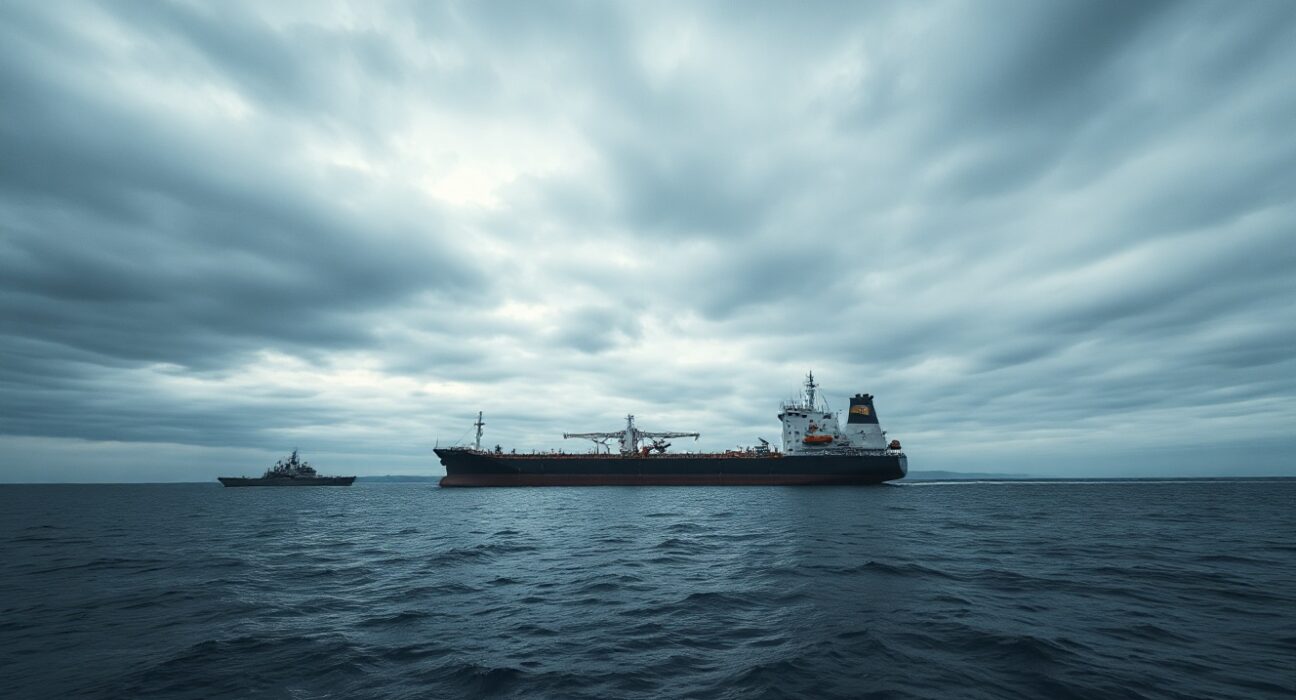
Iran’s Supreme Joint Military Command has announced the immediate closure of the Strait of Hormuz, prohibiting all vessel traffic through the strategic waterway. The decision, announced without prior warning, effectively blocks one of the world’s most critical maritime chokepoints for oil and liquefied natural gas shipments.
What the Closure Means for Global Trade
The Strait of Hormuz connects the Persian Gulf to the Gulf of Oman and the Arabian Sea. Roughly 20% of the world’s petroleum passes through this narrow channel daily, making it the most strategically important oil transit chokepoint globally. Any sustained disruption threatens to send oil prices sharply higher and strain supply chains already under pressure from geopolitical tensions.
Iran’s military command has not specified the duration of the closure or the conditions under which it might be lifted. The announcement follows months of escalating rhetoric between Tehran and Western powers over nuclear negotiations and regional military deployments.
Military and Diplomatic Implications
The closure represents a direct challenge to international maritime law, which guarantees freedom of navigation through international straits. The United States Fifth Fleet, based in Bahrain, has previously conducted patrols to ensure safe passage through the waterway. A confrontation between Iranian naval forces and international naval coalitions now appears increasingly likely.
Diplomatic channels remain active, but early signals from Tehran suggest the decision is tied to broader strategic demands. Analysts note that Iran has threatened to close the strait in the past during periods of heightened tension, but this marks the first time the country’s supreme military authority has followed through with an immediate and comprehensive ban.
Impact on Energy Markets
Oil futures surged in early trading following the announcement. Market participants are now pricing in a significant risk premium, with some analysts estimating potential price increases of 15-25% if the closure extends beyond one week. Countries most exposed to the disruption include Japan, India, South Korea, and China, which rely heavily on Persian Gulf crude imports.
Strategic petroleum reserves in major consuming nations may be tapped to cushion the immediate shock, but prolonged closure would test the limits of global emergency stockpiles.
Conclusion
The closure of the Strait of Hormuz by Iran’s Supreme Joint Military Command represents a dramatic escalation in regional tensions with far-reaching economic consequences. The duration of the blockade and the international response will determine whether this event becomes a short-term crisis or a prolonged confrontation. Global markets, governments, and shipping companies are now bracing for disruption in one of the world’s most vital trade routes.
FAQs
Q1: Why is the Strait of Hormuz so important?
The Strait of Hormuz is a narrow waterway through which approximately 20% of the world’s oil and a significant share of LNG shipments pass daily. It is the single most important chokepoint for global energy trade.
Q2: Has Iran closed the strait before?
Iran has previously threatened to close the Strait of Hormuz during periods of tension, but this is the first time its Supreme Joint Military Command has imposed a comprehensive and immediate ban on all vessel traffic.
Q3: What happens to oil prices if the closure continues?
Analysts project oil prices could rise 15-25% within a week if the closure persists. Countries with high dependence on Persian Gulf imports, such as Japan, India, and South Korea, would be most affected.
Disclaimer: The information provided is not trading advice, Bitcoinworld.co.in holds no liability for any investments made based on the information provided on this page. We strongly recommend independent research and/or consultation with a qualified professional before making any investment decisions.
