

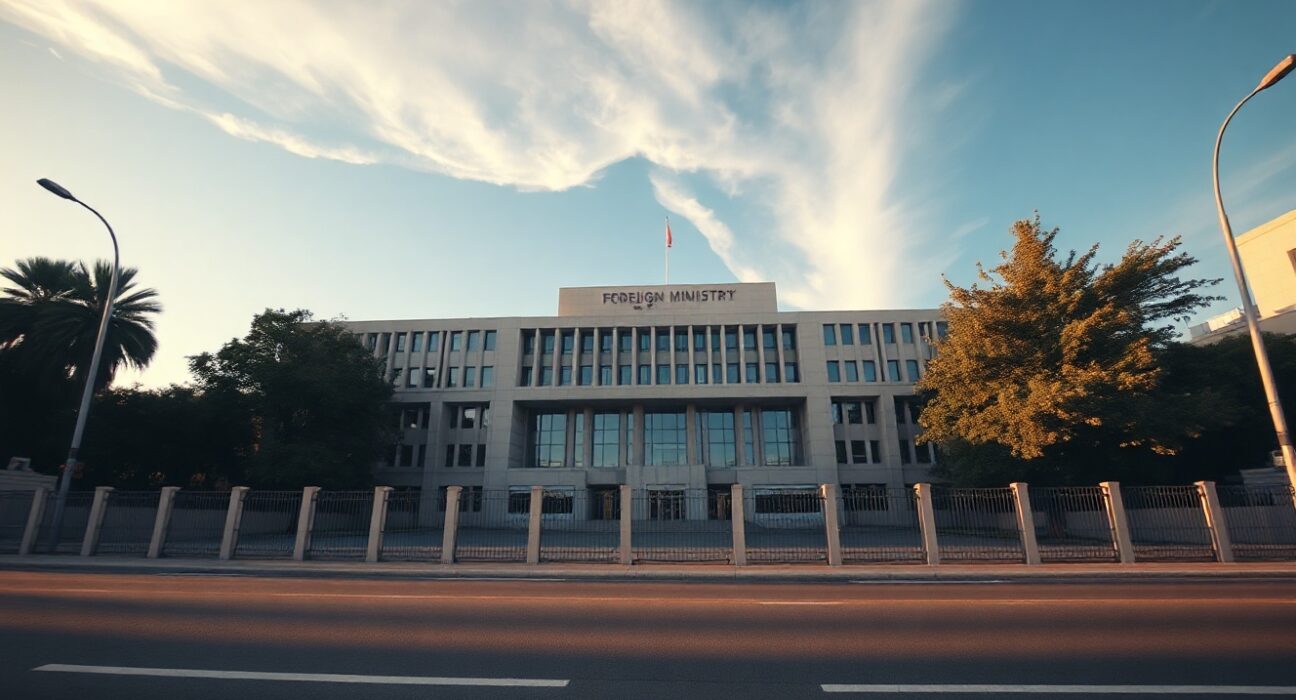
An Iranian Foreign Ministry spokesperson indicated on Sunday that a potential agreement between Tehran and Washington remains possible, though the specific proposal from the United States is still being evaluated. The statement, carried by Iranian state media, comes amid renewed diplomatic signals between the two nations after years of heightened tensions.
Diplomatic Signals Emerge Amid Strained Relations
The spokesperson acknowledged that U.S. President Donald Trump and his Iranian counterpart could sign an agreement, but emphasized that the Iranian government has not yet finalized its position. The remarks mark a rare public acknowledgment from Tehran of ongoing diplomatic channels, even as the details of the proposal remain undisclosed.
Iranian state media did not provide specifics on the content of the U.S. proposal or the timeline for a decision. However, the statement suggests that discussions, possibly mediated or indirect, are taking place behind the scenes.
Context of the Talks
The development follows years of strained relations between the two countries, particularly after the U.S. withdrawal from the Joint Comprehensive Plan of Action (JCPOA) in 2018 and the subsequent reimposition of sanctions. Iran has since expanded its nuclear program beyond the limits set by the 2015 agreement, raising concerns among Western nations.
While both sides have previously expressed openness to negotiations, previous rounds of talks in Vienna and elsewhere stalled over issues including sanctions relief, nuclear enrichment levels, and regional security guarantees.
What This Means for Regional Stability
Any potential agreement between Iran and the U.S. would have significant implications for the Middle East, affecting energy markets, security dynamics in the Persian Gulf, and the broader nuclear non-proliferation framework. Analysts suggest that even a limited deal could reduce tensions and open the door for broader diplomatic engagement.
However, the Iranian spokesperson’s cautious language indicates that internal debates within Iran’s leadership may still be unresolved. The proposal’s reception by hardliners in Tehran and by U.S. allies in the region will also be critical factors.
Conclusion
While the prospect of a U.S.-Iran deal remains uncertain, the public acknowledgment from Tehran that an agreement is possible represents a notable shift in tone. The coming weeks will be crucial in determining whether diplomatic momentum can be sustained or whether the proposal will face further delays. For now, the world watches as both capitals weigh their next moves.
FAQs
Q1: What did the Iranian spokesperson say about a potential deal with the U.S.?
The spokesperson told state media that an agreement between President Trump and Iran’s president is possible, but emphasized that the U.S. proposal is still under review by Iranian authorities.
Q2: Why is this development significant?
It marks a rare public acknowledgment from Tehran of active diplomatic channels with Washington, after years of tension and stalled negotiations over Iran’s nuclear program and sanctions.
Q3: What are the main obstacles to a deal?
Key sticking points include the scope of sanctions relief, limits on Iran’s uranium enrichment, regional security issues, and the political dynamics within both countries, including opposition from hardliners in Iran and skepticism from U.S. allies.
Disclaimer: The information provided is not trading advice, Bitcoinworld.co.in holds no liability for any investments made based on the information provided on this page. We strongly recommend independent research and/or consultation with a qualified professional before making any investment decisions.
