

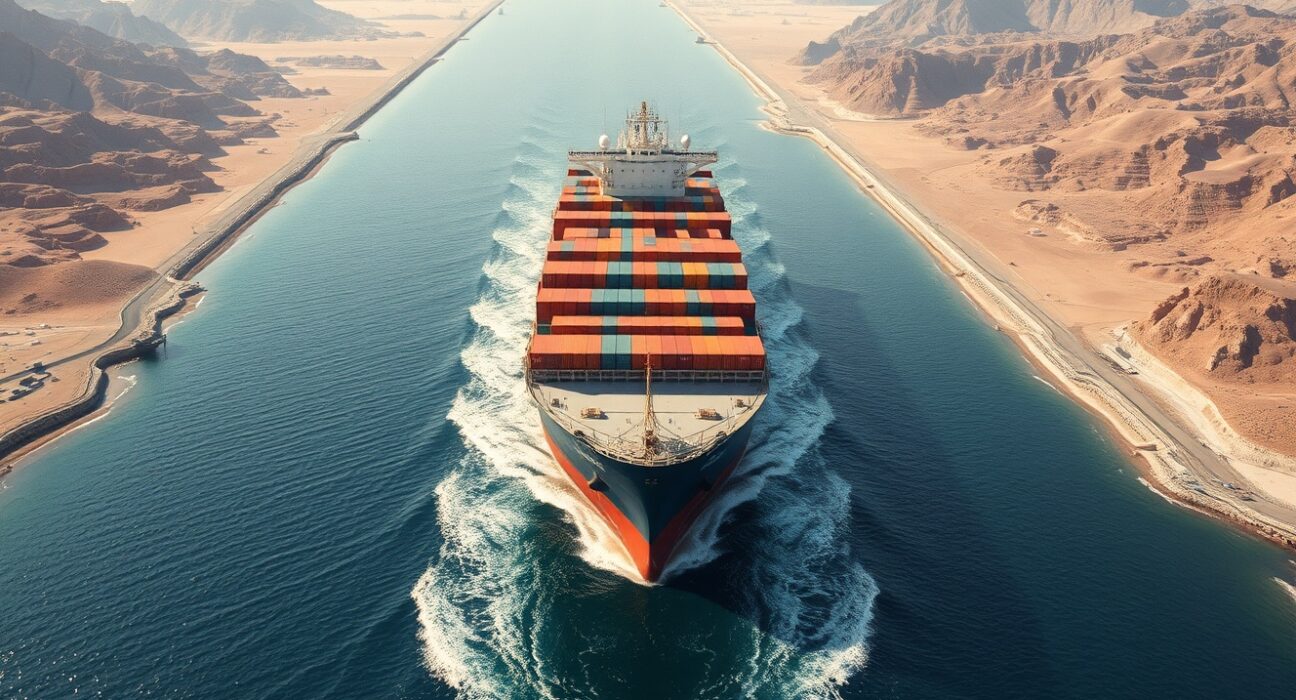
TEHRAN, Iran – April 18, 2025 – Iran’s Supreme National Security Council has issued a stark resolution to control all maritime passage through the Strait of Hormuz until the current regional war concludes and a lasting peace is established. This declaration, reported by Iranian state media, immediately escalates geopolitical tensions and threatens global energy security. The strategic waterway serves as a critical artery for approximately one-fifth of the world’s oil supply. Consequently, this announcement triggers immediate analysis from global security experts and energy market analysts.
Strait of Hormuz Becomes a Geopolitical Flashpoint
The Secretariat of Iran’s Supreme National Security Council formalized this decisive policy. Furthermore, Iranian media provided no specific timeline for the proposed control measures. The statement explicitly links Iran’s actions to the ongoing regional conflict. Therefore, the duration of this maritime control remains contingent on achieving “lasting peace.” This development represents a significant escalation in Iran’s regional posture. Historically, Iranian officials have threatened to close the strait during periods of heightened tension. However, this formal resolution by the top security council indicates a more institutionalized and potentially enduring strategy.
Global shipping and energy markets monitor the strait with intense scrutiny. For instance, the U.S. Energy Information Administration (EIA) consistently highlights its importance. The narrowest point is just 21 nautical miles wide. Moreover, the shipping lanes in either direction are only two miles wide. This geography creates a natural chokepoint. Consequently, any disruption has immediate and severe consequences for global oil prices and supply chains.
Historical Context of Iranian Maritime Strategy
Iran’s relationship with the Strait of Hormuz is deeply historical and strategic. The nation controls the northern coastline along the strait. Additionally, it possesses significant naval and asymmetric warfare capabilities there. These capabilities include fast-attack craft, anti-ship missiles, and naval mines. Experts from the International Institute for Strategic Studies (IISS) frequently analyze these assets. Past incidents, such as the 2019 tanker attacks and the 2021 seizure of a South Korean vessel, demonstrate Iran’s willingness to act.
The following table outlines key historical events involving Iran and the Strait of Hormuz:
| Year | Event | Primary Impact |
|---|---|---|
| 1984-1988 | Tanker War during Iran-Iraq conflict | Over 400 commercial ships attacked |
| 2011-2012 | Threats to close strait over sanctions | Global oil price volatility |
| 2019 | Attacks on oil tankers near Fujairah | Heightened U.S.-Iran tensions |
| 2021 | Seizure of South Korean tanker | Diplomatic and economic pressure |
This historical pattern provides crucial context for the current resolution. The new declaration institutionalizes a previously rhetorical threat. It also directly ties Iran’s maritime policy to the resolution of a broader regional war.
Expert Analysis on Regional Security Implications
Security analysts immediately weighed the implications of Iran’s statement. Dr. Anahita Nassiri, a senior fellow at the Middle East Institute, provided critical insight. “This resolution formalizes a policy of brinkmanship,” Nassiri stated. “It transforms the strait from a trade route into a direct instrument of geopolitical leverage. The council’s wording is deliberately ambiguous. ‘Control’ could range from enhanced monitoring to outright interdiction of shipping.”
Regional powers have already responded with concern. The Gulf Cooperation Council (GCC) issued a cautious statement. It emphasized the principle of freedom of navigation under international law. Simultaneously, the United States Fifth Fleet, based in Bahrain, increased its patrols. The fleet’s spokesperson reaffirmed a commitment to keeping the strait open. This sets the stage for potential naval standoffs. The economic stakes are extraordinarily high for all parties involved.
Global Economic and Energy Market Impact
The immediate reaction in global commodity markets was pronounced. Brent crude futures experienced a sharp price increase following the news. Financial analysts at Bloomberg and Reuters tracked the volatility closely. The strait’s daily oil flow averages 21 million barrels per day. This volume represents about 21% of global petroleum liquid consumption. Furthermore, it accounts for over 30% of all seaborne traded oil. The following key trade routes depend on this passage:
- Crude exports from Saudi Arabia, Iraq, and the UAE to Asia.
- Liquefied natural gas (LNG) exports from Qatar.
- Refined product shipments from Gulf refineries to Europe and Africa.
Any sustained disruption would force a massive rerouting of tankers. This rerouting would involve the longer and more expensive Cape of Good Hope route around Africa. Insurance premiums for ships transiting the Gulf would also skyrocket. Ultimately, consumers worldwide would face higher fuel costs. The global economy, still recovering from previous shocks, remains highly vulnerable to such an energy price spike.
International Law and Diplomatic Pathways
Iran’s proposed actions intersect with complex bodies of international law. The United Nations Convention on the Law of the Sea (UNCLOS) governs transit passage through straits. While Iran is not a party to UNCLOS, customary international law still applies. Legal scholars argue that a unilateral closure or restriction violates the principle of innocent passage. However, a nation may claim security exceptions during times of armed conflict.
The diplomatic challenge is immense. Multilateral institutions like the International Maritime Organization (IMO) may become involved. Additionally, direct negotiations between regional belligerents are currently stalled. The Iranian resolution explicitly makes the strait’s status a bargaining chip for peace talks. This strategy increases pressure on all warring parties to seek a diplomatic conclusion. It also internationalizes a previously regional conflict, drawing in global powers with energy security interests.
Military Preparedness and Risk of Escalation
The risk of military miscalculation is now significantly elevated. The United States and allied navies maintain a persistent presence in the region. Their stated mission is to ensure freedom of navigation. Conversely, Iran’s Islamic Revolutionary Guard Corps (IRGC) Navy specializes in asymmetric warfare in confined waters. A potential confrontation scenario could involve:
- Iranian forces conducting “inspections” of commercial vessels.
- The laying of defensive naval mines.
- Harassment of military vessels by swarms of fast boats.
Such incidents could quickly escalate. A single spark might trigger a broader regional conflagration. Military analysts stress the importance of clear communication channels, like the U.S.-Iran naval hotline established after previous incidents. However, the political will to de-escalate during an active regional war remains uncertain. The new Iranian policy deliberately tests the resolve and red lines of international stakeholders.
Conclusion
Iran’s vow to control the Strait of Hormuz marks a pivotal moment in Middle Eastern geopolitics and global energy security. The resolution by the Supreme National Security Council directly links maritime access to the outcome of a regional war. This strategy carries profound risks for global trade, oil markets, and international stability. The world now watches closely as diplomatic, military, and economic actors respond to this defiant stance over the world’s most critical oil chokepoint. The situation underscores the fragile interdependence of global energy supplies and geopolitical conflict.
FAQs
Q1: What exactly did Iran’s Supreme National Security Council resolve?
The council resolved to control all maritime passage through the Strait of Hormuz until the current regional war is completely over and a lasting peace is established. The term “control” was not explicitly defined but implies a significant level of Iranian authority over shipping in the waterway.
Q2: Why is the Strait of Hormuz so important globally?
The Strait of Hormuz is a critical chokepoint for global oil trade. Approximately 21 million barrels of oil per day, representing about 21% of global petroleum consumption, pass through its narrow shipping lanes. Major producers like Saudi Arabia, Iraq, the UAE, and Qatar depend on it for exports.
Q3: Has Iran threatened to close the strait before?
Yes, Iranian officials have periodically threatened to close the strait during previous crises, often in response to international sanctions or heightened tensions. However, this is a formal resolution by the country’s top security council, giving the threat greater institutional weight and linking it directly to an ongoing war.
Q4: What could “control” of the strait look like in practice?
In practice, “control” could range from increased naval patrols and demands for inspections to more aggressive actions like ship seizures, harassment, mining of channels, or a de facto blockade. The ambiguity is likely intentional, providing Iran with flexible options for escalation.
Q5: How are other countries likely to respond to this declaration?
Countries dependent on Gulf oil, including the United States, China, India, and European nations, are likely to condemn any restriction on freedom of navigation. The U.S. Navy’s Fifth Fleet will almost certainly increase patrols to deter Iranian actions. Diplomatic efforts through the UN and IMO are also expected to intensify to prevent a crisis.
Disclaimer: The information provided is not trading advice, Bitcoinworld.co.in holds no liability for any investments made based on the information provided on this page. We strongly recommend independent research and/or consultation with a qualified professional before making any investment decisions.
