

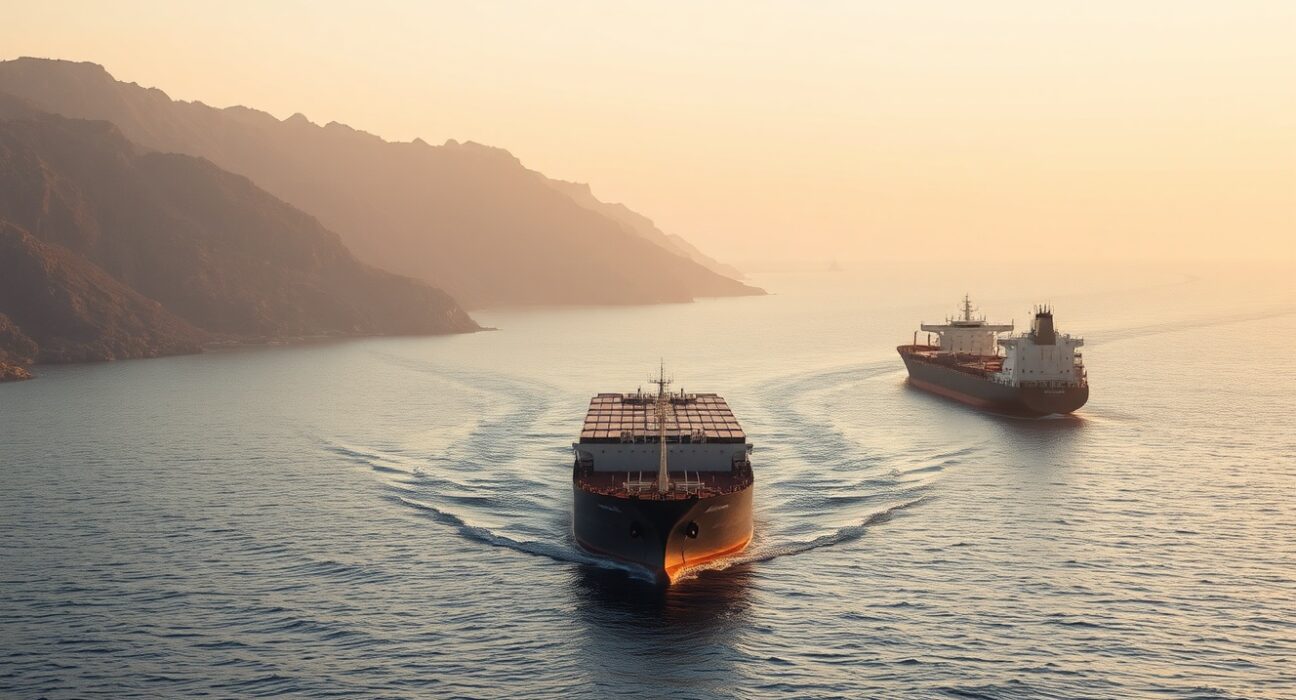
Iranian Foreign Minister Abbas Araghchi has issued a formal clarification regarding the passage of vessels through the Strait of Hormuz, stating that all ships not engaged in hostilities with the Islamic Republic are permitted to transit the strategic waterway. The announcement, made during a press briefing, aims to address growing concerns among international shipping and energy markets about potential disruptions in one of the world’s most critical maritime chokepoints.
Context and Strategic Importance
The Strait of Hormuz, connecting the Persian Gulf to the Gulf of Oman, handles approximately 20% of the world’s oil consumption and a significant portion of global liquefied natural gas (LNG) trade. Any ambiguity about access rights can trigger immediate volatility in global energy prices and shipping insurance rates. Araghchi’s statement appears designed to reassure international markets while reaffirming Iran’s sovereign right to control its territorial waters.
Legal Framework and Precedent
Under international law, specifically the United Nations Convention on the Law of the Sea (UNCLOS), the Strait of Hormuz is considered an international strait, meaning all ships and aircraft enjoy the right of transit passage. However, Iran has historically asserted its right to inspect vessels for security purposes. The foreign minister’s clarification aligns with this legal framework, emphasizing that routine commercial and civilian traffic will face no unusual restrictions. The statement explicitly excludes vessels participating in hostile actions against Iran, a caveat consistent with standard international practice regarding self-defense.
Market and Industry Implications
Shipping analysts and energy traders are closely watching the situation. While Araghchi’s remarks provide temporary reassurance, the broader geopolitical backdrop remains tense. Recent incidents involving tankers and naval forces in the region have led to increased insurance premiums for vessels transiting the strait. The clarification may help stabilize short-term freight rates, but long-term risk assessments will depend on sustained adherence to the stated policy. Oil markets initially showed a slight easing following the announcement, though traders remain cautious.
Conclusion
Iran’s explicit policy statement on Strait of Hormuz passage reduces immediate uncertainty for global shipping and energy markets. The foreign minister’s reaffirmation of open access for non-hostile vessels reinforces existing legal norms and provides a clearer operational picture for maritime stakeholders. However, the situation remains fluid, and market participants should continue monitoring on-the-ground developments and any further official communications from Iranian authorities.
FAQs
Q1: What did Iran’s Foreign Minister say about the Strait of Hormuz?
Foreign Minister Araghchi stated that all ships not engaged in hostilities with Iran are permitted to pass through the Strait of Hormuz, clarifying the country’s navigation policy.
Q2: Why is the Strait of Hormuz important?
The strait is a vital maritime chokepoint through which about 20% of the world’s oil and a significant portion of LNG trade passes, making its stability critical for global energy markets.
Q3: Does this change international law regarding the strait?
No. The statement aligns with existing international law, particularly UNCLOS, which guarantees transit passage for all vessels through international straits, while acknowledging a state’s right to self-defense.
Disclaimer: The information provided is not trading advice, Bitcoinworld.co.in holds no liability for any investments made based on the information provided on this page. We strongly recommend independent research and/or consultation with a qualified professional before making any investment decisions.
