Two Dubai Ledger owners report $604K lost to tampered wallets
In this article
Two owners of Ledger hardware wallets say roughly $604,000 in cryptocurrency was taken from devices they bought at Virgin Megastore in Dubai, the retailer Ledger lists among its authorized sellers in the United Arab Emirates. The accounts surfaced in public posts on X and were first detailed by Crypto.news, with PANews carrying a co-reported summary of the same incidents.
How the two Dubai cases differ
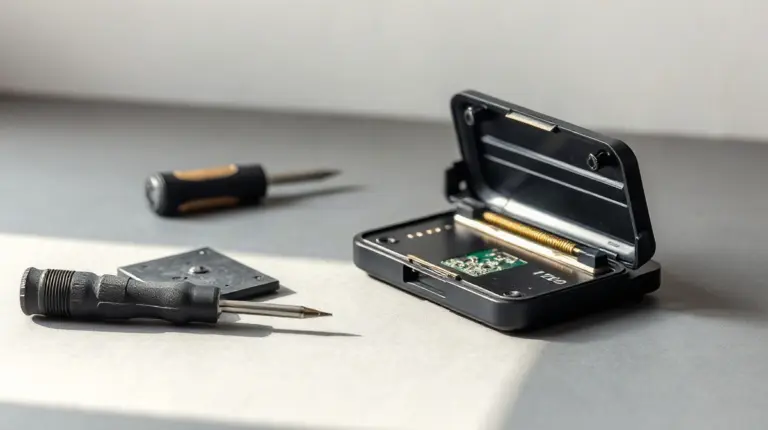
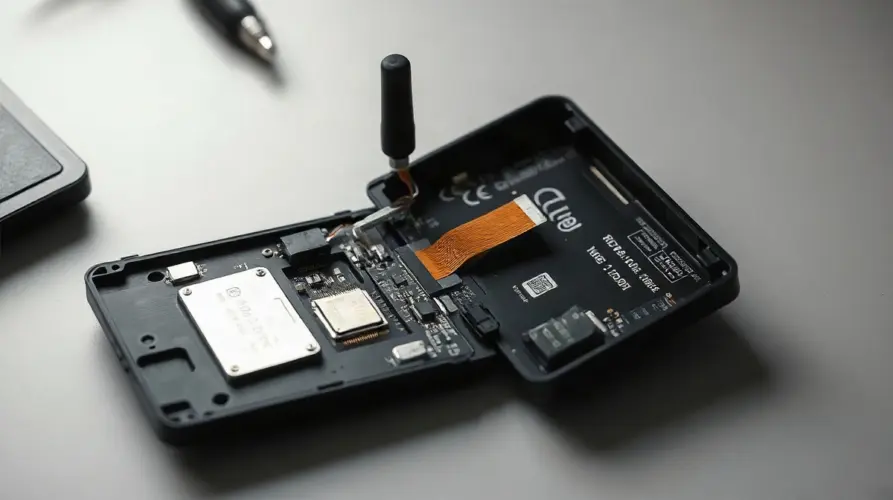
The Flex case rests on physical evidence. After the reported loss, the owner opened the device and posted photographs of its internals, writing that the wallet was tampered with. Those images were examined for Karpelès’ registry, which logged an additional circuit board and an antenna attached to the inside of the back cover — hardware consistent with a device modified before or after leaving the retail chain, though the registry does not establish where or by whom.
The Stax case rests on testimony rather than photographs. The owner says the 507,000 USDT was taken on Nov. 14, three days after the Oct. 11 purchase, and that the recovery phrase was created on the device and never entered anywhere else. The owner reported filing a police complaint and asked Tether to freeze the funds. PANews’ summary of the Cointelegraph report describes the accounts as showing that Ledger tampering has moved beyond retailers in Asia and Europe; Crypto.news’ account is the one that records how differently the two devices are evidenced.
Why Genuine Check is not a supply chain audit
Ledger’s earlier technical investigation found that unauthorized components could capture the recovery words shown during setup and transmit them over a cellular connection without touching the original security chip or operating system. The company’s own documentation states that Genuine Check confirms authenticity but cannot verify a device’s physical supply chain history — the gap that allows a genuine unit with added electronics to pass a buyer’s basic inspection.
The reported Dubai devices follow a pattern seen elsewhere this autumn. On Oct. 28, Singapore police confirmed at least two customers lost a combined S$3.5 million after buying modified Ledger wallets from local retailers. Earlier in October, MediaMarkt Saturn suspended Ledger sales after a reported implant in Germany, with no losses reported. Ledger had already paused sales in several markets in October and told buyers it had tightened distributor rules — requiring devices to stay in storage until purchase and barring resale of returned products even if packaging looks unopened.
Rival Trezor has faced a similar problem: it identified unauthorized parts in three Safe 5 devices bought through CryptoBilis between August and September, cut its reseller network by about 80% in its November update, and said none of the three owners reported losses. Our earlier reporting covered Ledger’s finding that LTE implants in CryptoBilis wallets captured seed phrases.

Why it matters
The reported cases shift the tampering problem from online scams to the retail counter: a buyer who follows Ledger’s own advice by purchasing from an authorized seller can still end up with hardware that leaves no visible trace in the setup flow. For anyone holding meaningful balances, the practical takeaway is that device authenticity checks answer a narrower question than most buyers assume. Crypto.news reported that both Dubai users bought from a store on Ledger’s official UAE retailer list; the question now is what responsibility sits with the brand when a listed channel is involved.
What to watch
Three answers will settle this story. First, whether Ledger and Virgin Megastore issue a joint statement on distribution and refunds, since neither had replied to Crypto.news at press time. Second, whether Tether acts on the freeze request for the 507,000 USDT. Third, whether the registry gains photographs of the Stax that could turn suspicion into confirmation.
Sources: crypto.news, PANews