

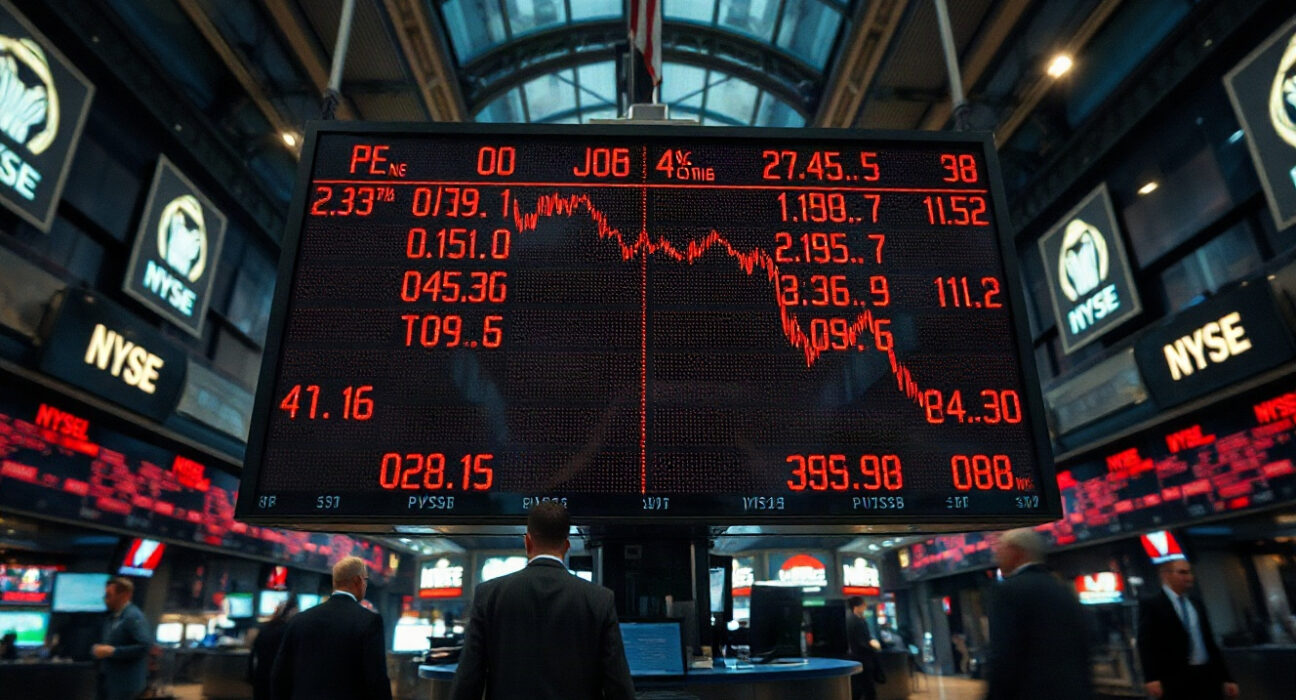
Markets are beginning to show early signs of turning, as the risk-on rally that has characterized recent trading sessions faces its first significant test. As of the latest close, major indices have pulled back from recent highs, with investors weighing a mix of economic data, earnings reports, and geopolitical headlines that have introduced fresh uncertainty into the outlook.
What Is Driving the Shift in Market Sentiment?
The shift appears to be driven by a combination of factors, including hotter-than-expected inflation data, hawkish comments from central bank officials, and a cooling in the technology sector that had been leading the charge. While the pullback is modest so far, it marks a notable change in tone from the steady climb seen over the past several weeks.
Investors are also paying close attention to bond yields, which have ticked higher as expectations for interest rate cuts are pushed further out. This has put pressure on growth-oriented stocks, particularly in tech, which are more sensitive to changes in discount rates. At the same time, defensive sectors like utilities and consumer staples have shown relative strength, suggesting a rotation toward safer assets.
How Are Different Asset Classes Responding?
The response has been mixed across asset classes. Equities have seen a modest decline, with the S&P 500 and Nasdaq both down by around 1% from their recent peaks as of this week. Meanwhile, gold has held steady, and the U.S. dollar has strengthened slightly, reflecting a more cautious mood among traders.
In the cryptocurrency market, bitcoin has also pulled back from its recent highs, trading around $63,000 as of the latest data, down from over $70,000 earlier this month. This correlation with risk assets underscores the broader shift in sentiment, as investors reassess their appetite for higher-risk investments.
What Should Investors Watch Next?
The key question now is whether this is a temporary pause or the beginning of a deeper correction. Much will depend on upcoming economic data, particularly the next jobs report and consumer price index, which will provide further clues on the path of inflation and interest rates. Earnings season will also be critical, as companies begin to report their latest quarterly results.
For now, market participants are advised to focus on fundamentals rather than short-term noise. Diversification and a long-term perspective remain prudent strategies, as the current uncertainty is unlikely to resolve quickly.
Conclusion
In summary, markets are showing early signs of turning, but the risk-on rally is not yet over. The coming weeks will be pivotal, as investors digest new data and corporate earnings. While the pullback is notable, it remains within the range of normal market volatility, and the overall trend is still upward. However, caution is warranted, and investors should stay informed and adaptable.
FAQs
Q1: What does ‘risk-on rally’ mean?
A risk-on rally refers to a period when investors are willing to take on more risk, leading to rising prices in stocks, cryptocurrencies, and other high-yield assets. It typically occurs when economic conditions appear favorable and confidence is high.
Q2: Why are markets turning now?
Markets are turning due to a combination of factors, including inflation concerns, central bank policy signals, and profit-taking after a strong run. These elements have introduced uncertainty, prompting some investors to reduce exposure to riskier assets.
Q3: Should I change my investment strategy?
It’s generally not advisable to make drastic changes based on short-term market movements. A well-diversified portfolio aligned with your long-term goals is often the best approach. Consulting with a financial advisor can provide personalized guidance.
Disclaimer: The information provided is not trading advice, Bitcoinworld.co.in holds no liability for any investments made based on the information provided on this page. We strongly recommend independent research and/or consultation with a qualified professional before making any investment decisions.
