

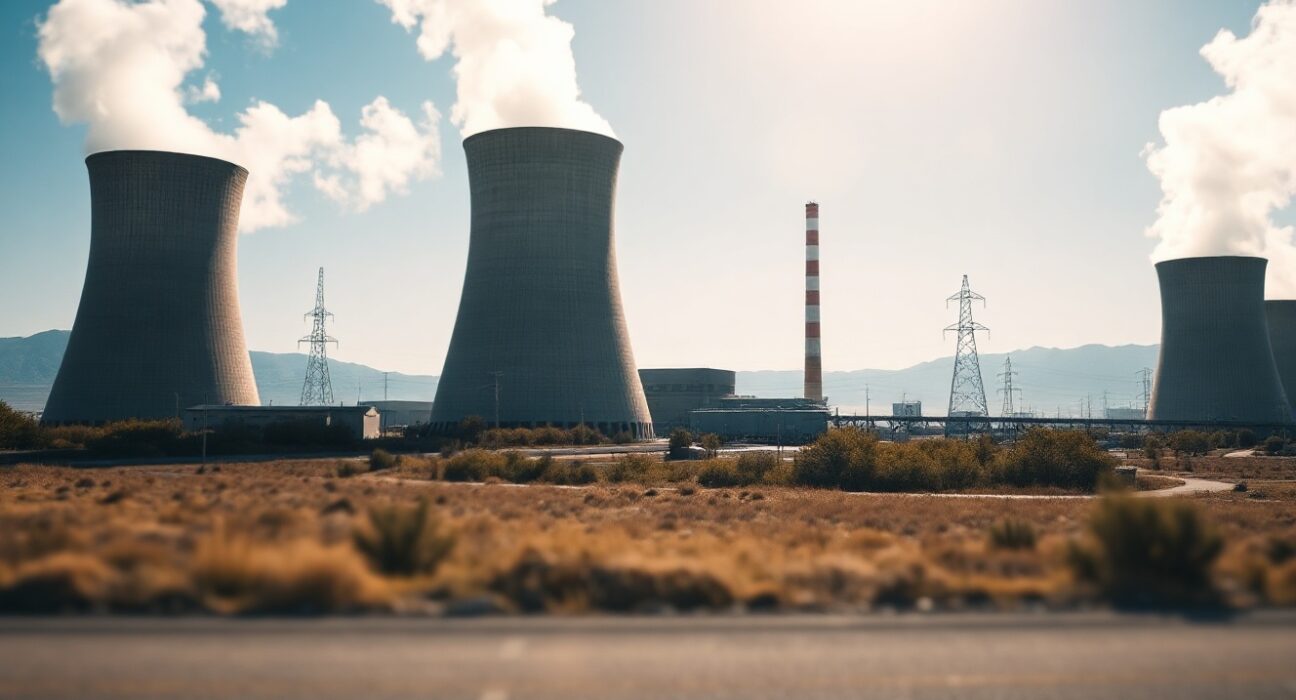
Nuclear power plants are designed to operate reliably under a range of conditions, but extreme heatwaves—like those increasingly seen across Europe and North America—pose unique challenges to their cooling systems and overall efficiency. As of August 2025, several European countries have reported temporary output reductions at nuclear facilities due to high river water temperatures, raising questions about the long-term resilience of atomic energy in a warming climate.
How Heatwaves Affect Nuclear Plant Operations
Nuclear reactors generate electricity by producing steam that drives turbines, and they rely on large volumes of water for cooling. During heatwaves, ambient temperatures and water sources—rivers, lakes, or seas—become warmer, reducing the efficiency of heat exchange and potentially exceeding environmental limits set to protect aquatic life.
When water temperatures rise above permitted thresholds, operators may be required to reduce output or, in extreme cases, shut down the reactor temporarily. For example, in August 2023, France’s EDF had to cut output at several plants along the Rhône and Garonne rivers due to heat, illustrating a recurring challenge.
Design Features That Enhance Resilience
Modern nuclear plants are built with redundancy in mind. Many have cooling towers that recirculate water, reducing reliance on a single water source. Some coastal plants use seawater, which is less susceptible to heatwave impacts. Additionally, reactors are designed with safety margins that allow them to operate at reduced power if needed, ensuring grid stability without compromising safety.
Operators also implement heatwave action plans, such as pre-cooling storage ponds and adjusting maintenance schedules. These measures, combined with strict regulatory oversight, help maintain safe operations even during extreme weather events.
What This Means for Energy Security
As heatwaves become more frequent and severe, nuclear power’s role in providing low-carbon baseload electricity is increasingly scrutinized. While temporary output reductions can strain grids, they are typically short-lived and manageable. However, long-term planning must account for climate risks, including potential upgrades to cooling systems or diversification of energy sources.
For policymakers and grid operators, understanding these vulnerabilities is crucial. Investing in climate adaptation for existing plants—and designing future ones with higher temperature tolerances—will be essential for maintaining reliable clean energy supply.
Conclusion
Nuclear power plants demonstrate significant resilience to heatwaves, but they are not immune to the effects of rising temperatures. Through careful design, operational flexibility, and proactive management, the industry can continue to provide reliable low-carbon electricity. However, as climate change intensifies, ongoing adaptation and investment are necessary to ensure that nuclear energy remains a cornerstone of global energy security.
FAQs
Q1: Can nuclear power plants operate during a heatwave?
Yes, they can, but output may be reduced if cooling water temperatures exceed environmental limits. Operators follow strict protocols to ensure safety and compliance.
Q2: Why do high water temperatures affect nuclear plants?
Cooling systems use water to condense steam; warmer water reduces efficiency, so more energy is needed to achieve the same cooling effect, potentially leading to reduced power output.
Q3: Are newer nuclear plants better at handling heatwaves?
Generally, yes. Newer designs incorporate advanced cooling technologies and higher temperature tolerances, making them more adaptable to warmer climates.
Disclaimer: The information provided is not trading advice, Bitcoinworld.co.in holds no liability for any investments made based on the information provided on this page. We strongly recommend independent research and/or consultation with a qualified professional before making any investment decisions.
