

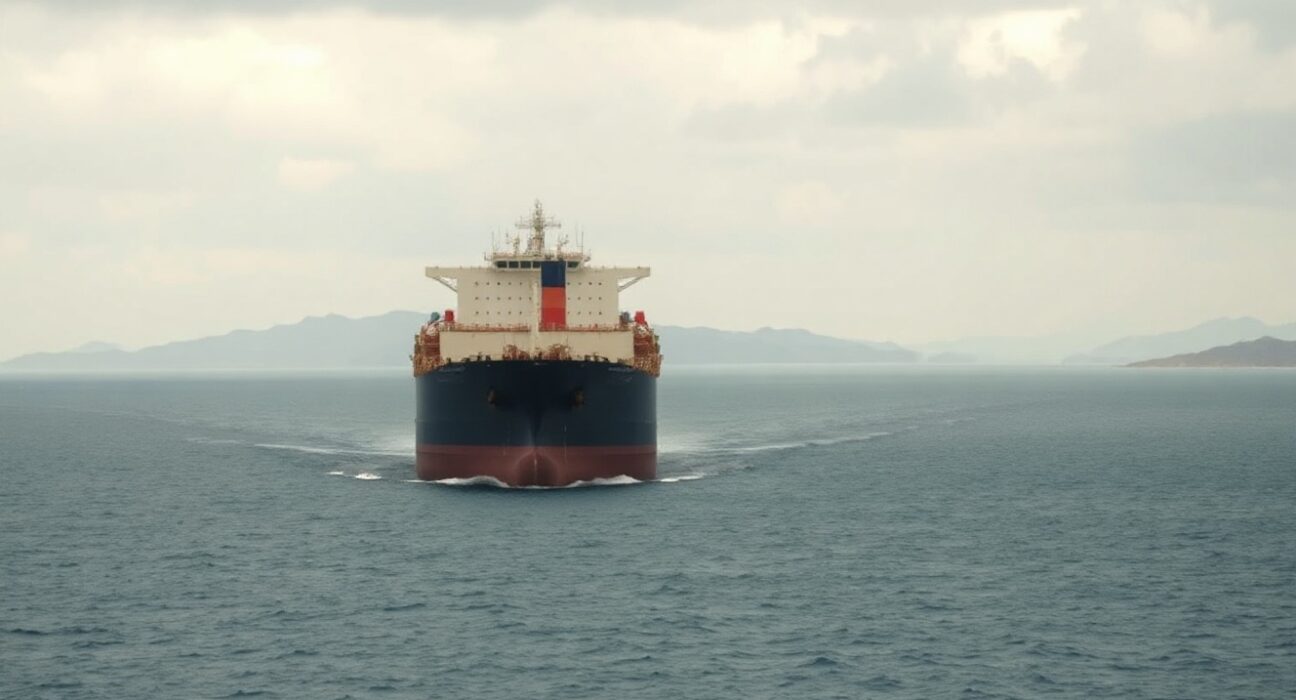
A new analysis from Rabobank has drawn attention to mounting risks in the global oil market, highlighting the dual threats of potential disruption at the Strait of Hormuz and the increasing volume of ‘hidden’ crude flows that obscure true supply dynamics. The report comes as geopolitical tensions in the Middle East continue to simmer, raising the stakes for energy markets already grappling with demand uncertainty.
Hormuz: The World’s Most Critical Oil Chokepoint
The Strait of Hormuz, a narrow waterway between Iran and Oman, handles roughly one-fifth of the world’s oil consumption. Rabobank’s analysts point out that any significant disruption here — whether from military confrontation, sabotage, or political brinkmanship — could send oil prices spiraling. Recent incidents involving tanker seizures and heightened naval patrols have already pushed shipping insurance premiums higher, a classic precursor to supply shocks.
The bank’s report underscores that the risk is not merely hypothetical. Iran has repeatedly threatened to close the strait in response to sanctions pressure, and while such a move remains unlikely, the mere possibility forces markets to price in a premium. Rabobank notes that the market has become somewhat desensitized to these threats, but the underlying vulnerability remains acute.
The Rise of Hidden Flows
Equally concerning, according to Rabobank, is the growing opacity in global oil trade. ‘Hidden flows’ — crude that is shipped via non-transparent routes, often using ship-to-ship transfers, falsified documentation, or flags of convenience — have expanded significantly since the imposition of sanctions on Russian and Iranian oil. These flows make it difficult for analysts and policymakers to gauge true supply levels, creating a fog of uncertainty.
The report estimates that several hundred thousand barrels per day are now moving outside traditional tracking systems. While these flows help keep global prices from spiking, they also introduce risk: such oil is often uninsured, stored on aging vessels, and subject to sudden interdiction. A crackdown by Western navies or tighter enforcement of sanctions could quickly remove this supply from the market, compounding any disruption at Hormuz.
What This Means for Traders and Consumers
For traders, the combination of geopolitical risk and data opacity creates a volatile environment. Rabobank advises that while headline oil prices may appear stable, the underlying risk premiums are elevated. For consumers, particularly in import-dependent economies in Asia and Europe, the message is clear: the margin for error in global oil supply is narrowing.
The bank’s analysis does not predict an imminent crisis, but it warns that the market is more fragile than it appears. A single event — a mine strike, a naval clash, or a diplomatic breakdown — could rapidly escalate into a supply emergency. Meanwhile, hidden flows complicate the ability of governments and the International Energy Agency to coordinate a strategic release of reserves effectively.
Conclusion
Rabobank’s report serves as a timely reminder that the oil market’s greatest risks are not always visible in the daily price chart. The Strait of Hormuz remains the world’s most consequential energy chokepoint, and the rise of opaque trading channels adds a new layer of uncertainty. For anyone following energy markets, these factors deserve close attention as the geopolitical landscape continues to shift.
FAQs
Q1: Why is the Strait of Hormuz so important for oil markets?
About 20% of global oil passes through the Strait of Hormuz daily. Any disruption there can instantly affect global prices and supply chains.
Q2: What are ‘hidden flows’ in oil trade?
They refer to crude shipments that are not easily tracked due to ship-to-ship transfers, false documentation, or sanctions evasion. They obscure real supply levels.
Q3: Could hidden flows actually help stabilize prices?
In the short term, yes — they add supply that isn’t captured in official data. But they also create risk, as they can be suddenly removed if enforcement tightens.
Disclaimer: The information provided is not trading advice, Bitcoinworld.co.in holds no liability for any investments made based on the information provided on this page. We strongly recommend independent research and/or consultation with a qualified professional before making any investment decisions.
