

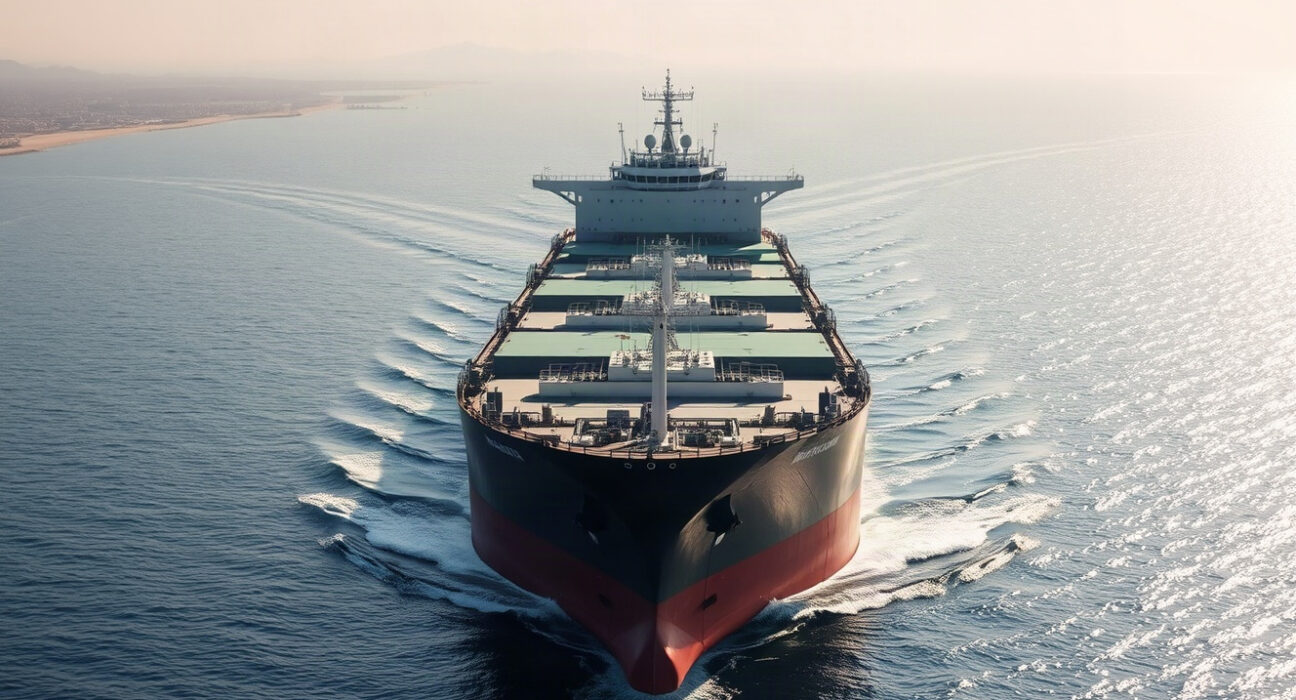
Crude oil prices edged higher on Tuesday as new shipping disruptions in the Strait of Hormuz raised fresh concerns about supply chain reliability for global energy markets. The strait, a narrow waterway between Iran and Oman, handles roughly 20% of the world’s oil consumption, making any disruption a critical trigger for price volatility.
What is happening in the Strait of Hormuz?
The recent tensions in the region have led to increased naval patrols and temporary rerouting of some tankers, according to shipping data and industry reports. While no major blockage has been reported, the perception of heightened risk has already prompted some charterers to seek alternative routes, adding time and cost to voyages.
The ‘tollbooth’ effect refers to the additional costs and delays imposed on oil shipments passing through the strait, whether from insurance premiums, longer transit times, or the need for escort vessels. These costs are often passed on to buyers, supporting benchmark prices.
Market reaction and price movements
As of Tuesday’s Asian trading session, Brent crude futures were up 1.2% to $82.40 per barrel, while West Texas Intermediate (WTI) rose 1.1% to $78.90. The gains follow a week of relative stability, but traders remain cautious about potential escalation.
Analysts note that the market has become somewhat desensitized to geopolitical headlines, but the physical impact on shipping is harder to ignore. “We are seeing real operational impacts, not just talk,” said one Singapore-based shipbroker. “Some vessels are waiting for convoy instructions, and that is costing time and money.”
Why this matters to consumers and businesses
Higher crude prices typically translate into increased fuel costs for transportation, heating, and manufacturing. For economies already grappling with inflation, any sustained rise in oil could complicate central bank efforts to ease monetary policy.
Moreover, the Strait of Hormuz is also a key route for liquefied natural gas (LNG) exports from Qatar, meaning any prolonged disruption could affect natural gas prices in Asia and Europe.
Conclusion
The situation in the Strait of Hormuz remains fluid, with diplomatic efforts ongoing to de-escalate tensions. While the immediate price impact has been modest, the underlying vulnerability of global energy infrastructure to regional conflicts is a persistent risk. Market participants will be watching for any further shipping disruptions or diplomatic breakthroughs in the coming days.
FAQs
Q1: How much oil passes through the Strait of Hormuz daily?
Around 20 million barrels of crude oil and petroleum products transit the strait each day, representing about 20% of global consumption. This makes it the world’s most important oil chokepoint.
Q2: What are the alternative routes for oil shipments if Hormuz is blocked?
Most alternative routes involve longer voyages around the Cape of Good Hope or using pipelines like Saudi Arabia’s East-West pipeline, which has spare capacity of about 2.8 million barrels per day. However, these options add significant time and cost.
Q3: How long could oil prices stay elevated due to Hormuz disruptions?
The duration depends on the severity and length of the disruption. Historical precedents, such as the 2019 tanker attacks, saw prices spike for a few weeks before retreating. A full blockade could have a more sustained impact, potentially pushing prices significantly higher.
Disclaimer: The information provided is not trading advice, Bitcoinworld.co.in holds no liability for any investments made based on the information provided on this page. We strongly recommend independent research and/or consultation with a qualified professional before making any investment decisions.
