

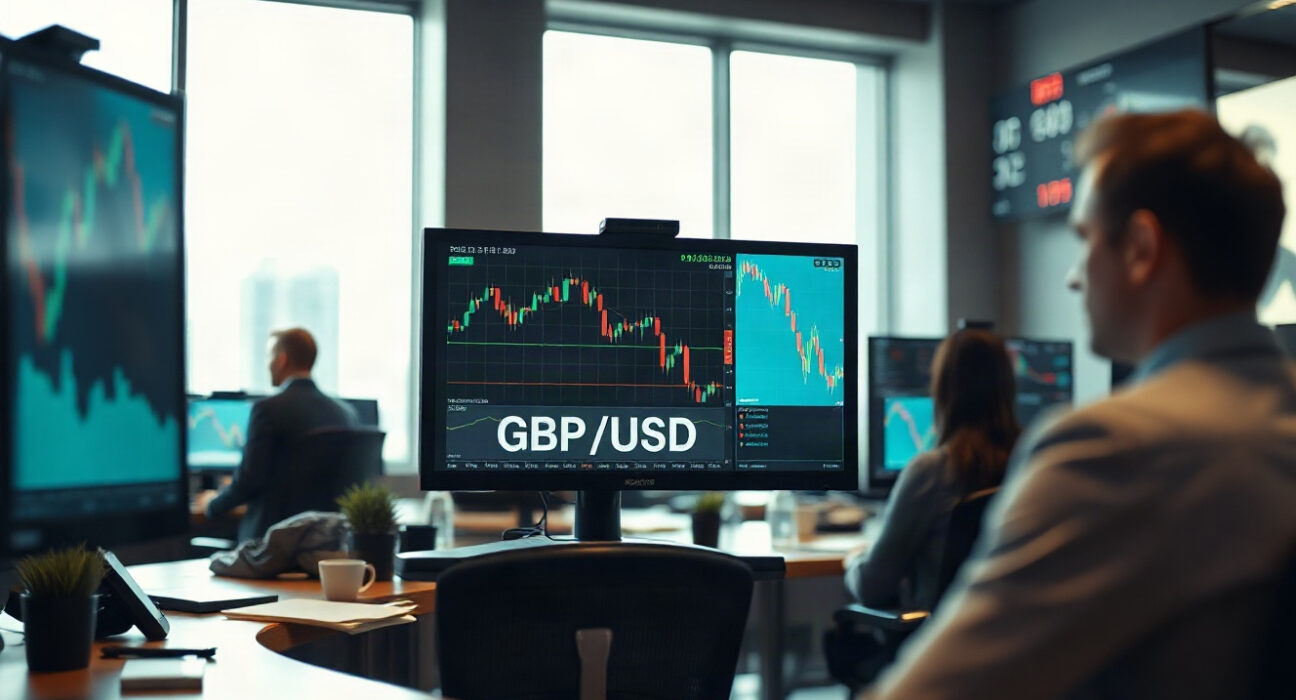
The British pound softened against the US dollar on [current date], trading near the 1.3500 level as escalating US-Iran tensions triggered a broad shift toward safe-haven assets. The currency pair retreated from recent highs as investors sought the relative safety of the greenback amid heightened geopolitical risk in the Middle East.
Why the Pound Is Under Pressure
The immediate driver is the market’s risk-off mood. When geopolitical tensions spike, investors typically move capital into traditional safe havens like the US dollar, Japanese yen, and Swiss franc. This dynamic has weighed on the pound, which is considered a risk-sensitive currency due to the UK’s large current account deficit and reliance on foreign capital flows.
Beyond geopolitics, the pound faces domestic headwinds. The Bank of England has signaled a cautious approach to monetary policy, with markets pricing in potential rate cuts later this year. In contrast, the Federal Reserve has maintained a higher-for-longer stance, keeping US yields attractive and supporting the dollar.
Market Reaction and Key Levels
As of [current date], GBP/USD was trading around 1.3510, down from a session high of 1.3545. The pair has found support near the 1.3500 psychological level, with traders watching for a break below that could open the door to further losses. Resistance is seen at 1.3550 and then 1.3600.
Volume has picked up in the currency market as investors adjust positions. Options markets show increased demand for downside protection on the pound, indicating that traders are bracing for more volatility.
Impact on UK Economy and Consumers
A weaker pound makes imports more expensive, which could feed into UK inflation. This is a concern for the Bank of England, which is trying to bring inflation back to its 2% target. For consumers, a softer pound means higher costs for imported goods, including food and energy. Businesses that rely on imported raw materials may also see their margins squeezed.
On the flip side, a weaker pound can boost UK exports by making them cheaper for foreign buyers. Sectors like manufacturing and tourism could benefit. However, the overall impact on the economy is likely negative if the pound falls sharply and sustains losses.
Geopolitical Context and Broader Implications
The US-Iran tensions are the latest flashpoint in a volatile geopolitical landscape. The conflict has raised concerns about oil supply disruptions, which could push energy prices higher and add to global inflationary pressures. This creates a dilemma for central banks: they may need to keep interest rates elevated to combat inflation, even as growth slows.
For the pound, the key will be whether the situation escalates or de-escalates. Any signs of diplomacy could trigger a rebound in risk appetite and support the pound. Conversely, further escalation could push GBP/USD below 1.3500 and toward the 1.3400 area.
Conclusion
The pound’s slide toward 1.3500 reflects a classic risk-off response to geopolitical tensions. While the immediate focus is on the Middle East, the pound’s trajectory will also depend on domestic economic data and central bank policy. Traders should monitor headlines closely, as the situation remains fluid and could change quickly.
FAQs
Q1: Why does the pound fall when geopolitical tensions rise?
Geopolitical tensions increase uncertainty, prompting investors to move money into safe-haven assets like the US dollar. The pound, being risk-sensitive, tends to weaken as demand for the dollar rises.
Q2: What is the key support level for GBP/USD?
The immediate support is the 1.3500 psychological level. A break below could lead to further declines, with the next support around 1.3400.
Q3: How does a weaker pound affect UK consumers?
A weaker pound makes imports more expensive, which can push up prices for goods like food and energy. This may increase inflation and reduce purchasing power for consumers.
Disclaimer: The information provided is not trading advice, Bitcoinworld.co.in holds no liability for any investments made based on the information provided on this page. We strongly recommend independent research and/or consultation with a qualified professional before making any investment decisions.
