

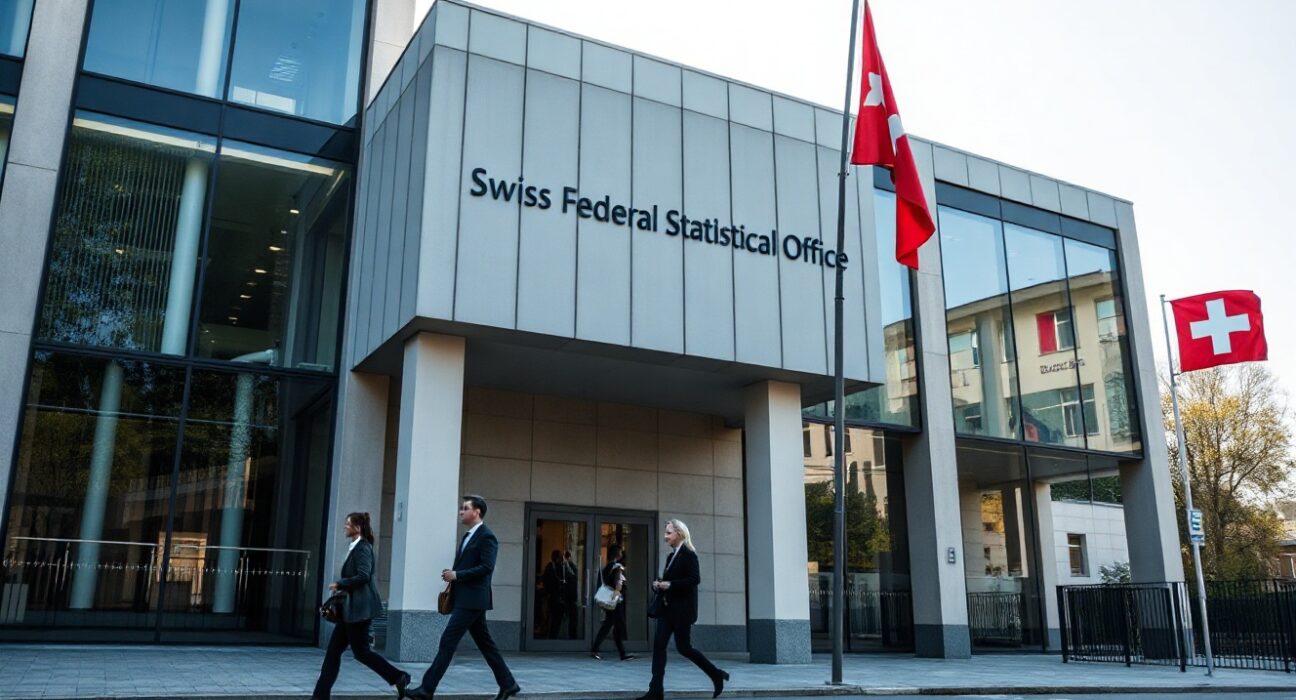
Switzerland’s seasonally adjusted unemployment rate remained unchanged at 3.1% in July, according to data released by the State Secretariat for Economic Affairs (SECO). The figure, which measures joblessness on a month-over-month basis, indicates that the Swiss labor market continues to hold steady despite broader economic uncertainties across Europe.
What the Data Shows
The July figure matches the previous month’s reading, defying some economists’ expectations of a slight uptick. The seasonally adjusted number of unemployed individuals stood at approximately 143,000, a marginal increase of about 1,000 from June. The non-seasonally adjusted rate, often used for international comparisons, also remained stable at 2.6%.
Switzerland’s labor market has been remarkably resilient over the past year, with unemployment hovering near historic lows. The country’s diverse economy, strong services sector, and robust demand for skilled workers have helped cushion the impact of global slowdowns. However, sectors such as hospitality and retail have shown slight softening, reflecting weaker consumer sentiment.
Why It Matters
The stability of the unemployment rate is a key indicator for policymakers and investors. For the Swiss National Bank (SNB), which has been battling inflationary pressures, a tight labor market supports the case for maintaining its current monetary policy stance. For businesses, steady unemployment suggests a stable consumer base, though wage pressures may persist.
Compared with the eurozone, where unemployment stands at 6.4%, Switzerland’s rate is notably lower, underscoring the country’s economic strength. The Swiss franc’s safe-haven status has also attracted foreign investment, further supporting job creation.
Regional Variations and Outlook
Regional data reveals disparities: the French-speaking cantons of Geneva and Vaud report higher unemployment rates (around 4.5%), while central Switzerland enjoys rates below 2%. This regional divide reflects differences in industrial composition and labor mobility.
Looking ahead, economists expect the unemployment rate to remain below 3.5% for the rest of the year, barring a major external shock. The SECO’s quarterly forecasts, released in June, project an average annual rate of 2.8% for 2025, with a slight rise to 3.0% in 2026 as the economy cools.
Conclusion
Switzerland’s steady unemployment rate in July reinforces the country’s reputation for economic stability. While global headwinds persist, the labor market’s resilience provides a solid foundation for sustained domestic demand and investor confidence. The data will be closely watched by the SNB as it navigates its next policy decisions.
FAQs
Q1: What does the seasonally adjusted unemployment rate mean?
The seasonally adjusted rate removes the effects of seasonal employment patterns, such as holiday hiring, to provide a clearer picture of underlying labor market trends.
Q2: How does Switzerland’s unemployment rate compare to its neighbors?
Switzerland’s rate (3.1%) is significantly lower than the eurozone average (6.4%) and Germany (5.8%), reflecting its strong labor market and low-skilled labor shortages.
Q3: Will the unemployment rate affect the Swiss National Bank’s interest rate decisions?
Yes, the SNB closely monitors labor market data. A stable or tightening labor market can support higher interest rates to combat inflation, while a weakening labor market might prompt rate cuts.
Disclaimer: The information provided is not trading advice, Bitcoinworld.co.in holds no liability for any investments made based on the information provided on this page. We strongly recommend independent research and/or consultation with a qualified professional before making any investment decisions.
