

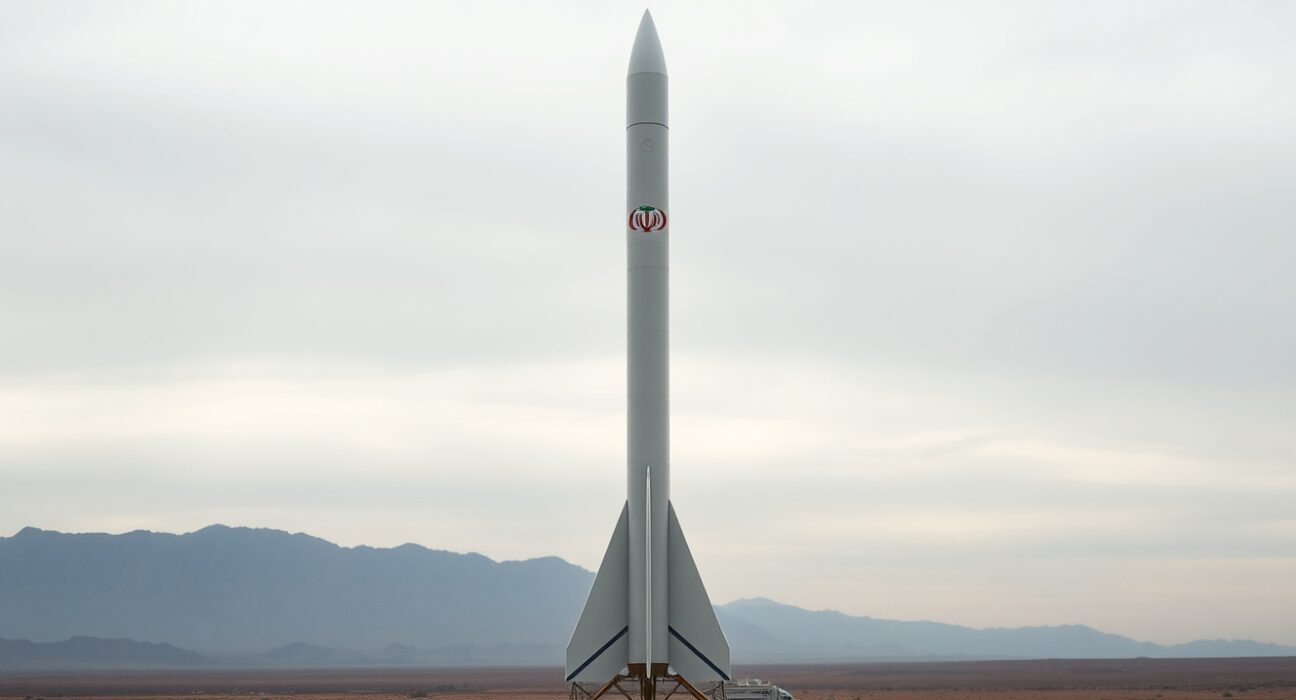
U.S. President Donald Trump has issued a stark ultimatum to Tehran. He threatens to destroy Iran’s remaining missiles and associated systems if the two countries fail to reach a diplomatic agreement. This Trump Iran missile threat marks a dramatic escalation in the long-running nuclear standoff.
Trump Iran Missile Threat: The Core Statement
President Trump made the statement during a press briefing at the White House on March 20, 2025. He said, “If we cannot make a deal, we will have no choice. We will destroy every last one of their remaining missiles and the systems that launch them.” The remark drew immediate reactions from global capitals.
This is not the first time Trump has threatened military action against Iran. However, the specificity of targeting “remaining missiles” signals a shift. Previous threats focused on nuclear facilities or broader regime change. This US Iran nuclear deal breakdown now carries direct military consequences.
Analysts note the timing is critical. Iran’s missile program is a central sticking point in negotiations. Tehran has refused to limit its ballistic missile development. The US and its allies view these missiles as a delivery system for potential nuclear warheads.
Key elements of the threat include:
- Target: All remaining Iranian ballistic missiles and launch systems.
- Condition: Failure to reach a comprehensive nuclear agreement.
- Scope: Destruction of both missiles and supporting infrastructure.
- Warning: Immediate military action without further negotiation.
Experts believe the threat aims to pressure Iran into making concessions. However, it also risks triggering a wider conflict in the Middle East.
Background: The Long Road to the Iran Missile Crisis
Iran’s missile program dates back to the 1980s. It developed during the Iran-Iraq war. Since then, Tehran has invested heavily in missile technology. Today, Iran possesses one of the largest missile arsenals in the Middle East.
Key milestones in the program include:
| Year | Event |
|---|---|
| 1985 | Iran begins indigenous missile production. |
| 1998 | Shahab-3 missile tested, range covers Israel. |
| 2015 | JCPOA signed, but missile program not restricted. |
| 2018 | US withdraws from JCPOA, reimposes sanctions. |
| 2024 | Iran unveils new hypersonic missile. |
| 2025 | Trump issues destruction ultimatum. |
The Iran nuclear negotiations have repeatedly stalled over missile issues. The 2015 JCPOA did not address missiles. Trump’s 2018 withdrawal from the deal led to Iran expanding its program. Current talks aim to include missile restrictions. However, Iran refuses to negotiate on its defense capabilities.
This Iran missile destruction threat represents a major departure from previous US policy. It shifts from containment and sanctions to direct military action.
Global Reactions and Expert Analysis
World leaders responded with alarm. The European Union called for restraint. Russia warned of catastrophic consequences. China urged both sides to return to diplomacy. Israel, however, expressed support for the US position.
Dr. Sarah Jenkins, a Middle East security expert at the Atlantic Council, said, “This is a high-risk gamble. Trump is betting that the threat of force will bring Iran to the table. But it could just as easily push them to accelerate their program.”
Former US diplomat James Miller added, “Destroying Iran’s missiles would require a massive air campaign. It would kill thousands and destabilize the entire region. The cost is enormous.”
Iranian officials responded defiantly. Foreign Minister Hossein Amir-Abdollahian stated, “Iran will not bow to threats. Our missile program is non-negotiable. Any attack will be met with a devastating response.”
The threat also impacts global energy markets. Oil prices jumped 5% following the announcement. Traders fear a disruption in the Strait of Hormuz. Iran has threatened to close the strait in past crises.
Military Implications of the Trump Ultimatum
Military analysts assess the feasibility of destroying Iran’s missile arsenal. Iran operates a diverse inventory. It includes short-range, medium-range, and long-range systems. Many are mobile and hidden in underground facilities.
A successful campaign would require:
- Intelligence: Precise locations of all missile sites.
- Strike capability: Hundreds of precision-guided munitions.
- Basing: Access to regional air bases and carriers.
- Air superiority: Suppression of Iranian air defenses.
- Duration: Weeks or months of sustained bombing.
Even then, complete destruction is unlikely. Iran’s missile force is designed for survivability. The US would likely achieve only partial success. This could leave Iran with enough capability to retaliate.
Retaliation could include attacks on US allies in the region. Israel, Saudi Arabia, and UAE are all within range. Iran also supports proxy forces in Yemen, Syria, Iraq, and Lebanon. These groups could launch attacks on US assets.
Diplomatic Options and Potential Outcomes
Despite the harsh rhetoric, diplomatic channels remain open. The US and Iran have held indirect talks in Oman. European mediators continue to shuttle between Washington and Tehran.
Possible outcomes include:
- Renewed negotiations: Iran agrees to limit missile range and numbers in exchange for sanctions relief.
- Limited strike: US destroys a symbolic number of missiles to demonstrate resolve.
- Full-scale war: Massive US air campaign leads to Iranian retaliation and regional conflict.
- Status quo: Both sides back down, but tensions remain high.
Each outcome carries significant risks. A deal would require both sides to compromise. A limited strike could escalate uncontrollably. Full-scale war would be devastating. The status quo leaves the threat unresolved.
The next few weeks are critical. Trump has not set a deadline for the deal. However, his administration is preparing military options. The Pentagon has reportedly updated plans for strikes on Iranian missile sites.
Conclusion
President Trump’s threat to destroy Iran’s remaining missiles represents a pivotal moment in the Trump Iran missile threat saga. It raises the stakes in the nuclear standoff to their highest level in decades. The world now watches to see if diplomacy or military action will prevail. The outcome will shape Middle East security for years to come. Whether a deal emerges or conflict erupts, the decision rests on the actions of both Washington and Tehran in the coming days.
FAQs
Q1: What exactly did Trump threaten to destroy?
Trump threatened to destroy all of Iran’s remaining ballistic missiles and their associated launch systems if a nuclear deal fails.
Q2: Why is Iran’s missile program a problem for the US?
The US views Iran’s missiles as potential delivery systems for nuclear warheads. They can reach US allies like Israel and Saudi Arabia.
Q3: Can the US actually destroy all of Iran’s missiles?
Military experts doubt complete destruction is possible. Many missiles are mobile or hidden in hardened underground facilities. A campaign would be lengthy and costly.
Q4: How has Iran responded to the threat?
Iran has rejected the ultimatum. Officials state their missile program is non-negotiable. They warn of a devastating response to any attack.
Q5: What happens if no deal is reached?
If no deal is reached, the US may launch military strikes. This could trigger a wider regional war involving Iran’s proxies and allies.
Disclaimer: The information provided is not trading advice, Bitcoinworld.co.in holds no liability for any investments made based on the information provided on this page. We strongly recommend independent research and/or consultation with a qualified professional before making any investment decisions.
