

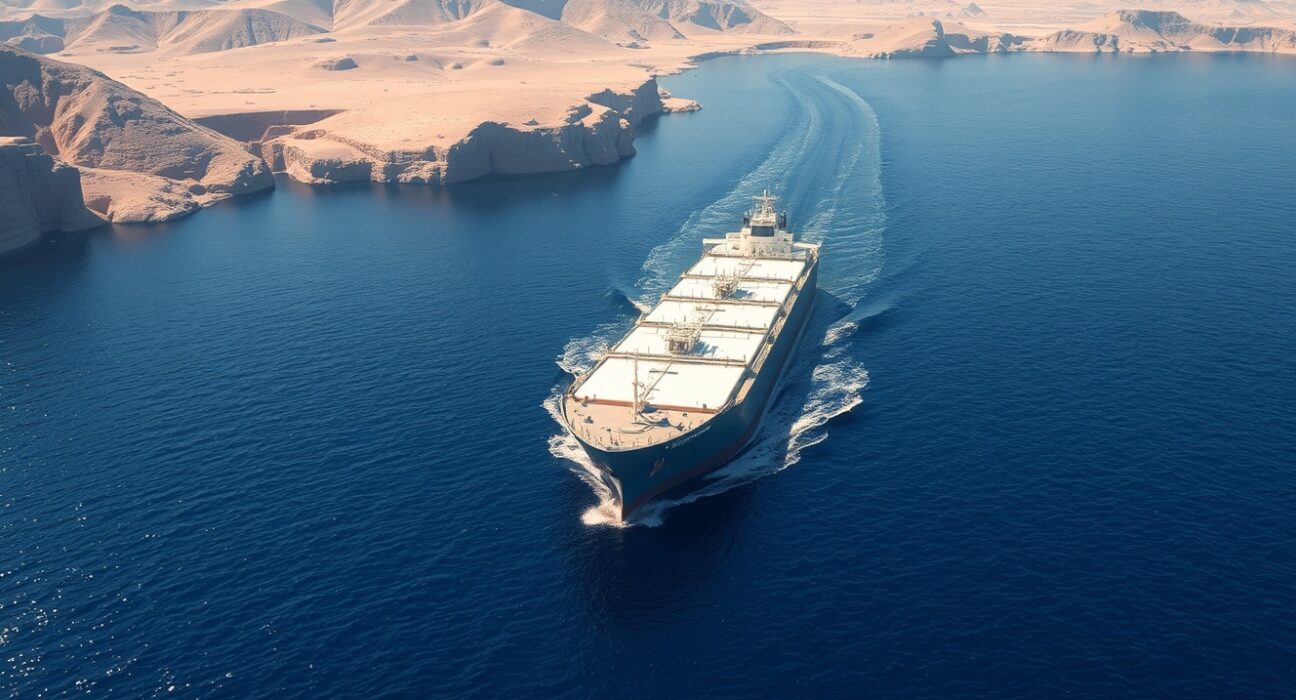
The USD/CAD currency pair experienced significant downward pressure today as renewed disruptions in the Strait of Hormuz kept crude oil prices elevated, while diplomatic talks between the United States and Iran captured global market attention. This development reflects the complex interplay between geopolitical risk, energy markets, and currency valuations that continues to shape international finance. Market analysts closely monitor these events because they directly impact trade flows, inflation expectations, and central bank policies across North America.
USD/CAD Declines Amid Geopolitical Uncertainty
The Canadian dollar strengthened against its US counterpart as Brent crude oil prices surged above key resistance levels. This movement follows reported incidents involving commercial shipping in the Strait of Hormuz, a critical chokepoint for global oil transportation. Consequently, energy-sensitive currencies like the Canadian dollar typically appreciate when oil prices rise. Market participants increasingly price in supply disruption risks, creating volatility across multiple asset classes. The USD/CAD pair dropped approximately 0.8% during the trading session, reaching its lowest level in three weeks.
Several factors contribute to this currency movement. First, Canada’s status as a major oil exporter means its currency often correlates with crude prices. Second, the United States remains a net energy importer despite recent production increases. Third, shifting risk sentiment influences capital flows between safe-haven and commodity-linked assets. Historical data shows that similar geopolitical events in 2019 and 2021 produced comparable currency reactions. Market technicians note that the USD/CAD has broken below its 50-day moving average, suggesting potential for further declines.
Hormuz Strait Disruptions Elevate Global Oil Prices
The Strait of Hormuz represents one of the world’s most strategically important maritime passages. Approximately 21 million barrels of oil pass through this narrow waterway daily, representing about 21% of global petroleum consumption. Recent incidents have raised concerns about shipping security and insurance costs. These developments immediately affect global benchmark prices including Brent and West Texas Intermediate crude. Energy analysts report that the geopolitical risk premium in oil prices has expanded by $3-5 per barrel.
Key facts about the Strait of Hormuz include:
- Location: Between Oman and Iran, connecting the Persian Gulf with the Gulf of Oman
- Width: 21 nautical miles at its narrowest point
- Daily Traffic: About 100 commercial vessels, including tankers carrying LNG
- Global Impact: Disruptions could affect 30% of seaborne traded oil
Shipping companies have implemented additional security measures while some vessels consider alternative routes. However, alternatives like the East-West Pipeline or bypassing the strait entirely involve significant logistical challenges and increased costs. These factors collectively support higher oil prices, benefiting petroleum-exporting nations’ currencies.
Historical Context of Regional Tensions
Geopolitical tensions in the Strait of Hormuz have periodically affected markets for decades. Notable incidents include tanker attacks in 2019, the seizure of British-flagged vessels, and periodic military exercises. Each event typically creates temporary price spikes followed by gradual normalization as strategic petroleum reserves or alternative supplies enter the market. The current situation differs because it coincides with ongoing diplomatic negotiations, creating uncertainty about potential resolutions.
US-Iran Diplomatic Talks Influence Market Sentiment
Parallel to the maritime developments, diplomatic discussions between Washington and Tehran have entered a critical phase. These negotiations primarily focus on nuclear program limitations and sanctions relief. Financial markets carefully monitor these talks because outcomes could significantly alter global oil supply dynamics. A successful agreement might increase Iranian oil exports by 1-1.5 million barrels daily within months. Conversely, failed talks could maintain current export restrictions while potentially escalating regional tensions.
Market participants analyze several key negotiation elements:
| Negotiation Aspect | Potential Market Impact |
|---|---|
| Sanctions Relief Timing | Immediate vs. phased oil export increases |
| Nuclear Compliance Verification | Certainty about sustained supply availability |
| Regional Security Provisions | Reduced risk premium in oil prices |
| Duration of Agreement | Long-term price curve adjustments |
Currency traders particularly watch these developments because they affect the US dollar’s safe-haven status. Reduced geopolitical tension typically weakens demand for dollar-denominated assets. Meanwhile, improved global growth prospects might strengthen commodity-linked currencies like the Canadian dollar. The Bank of Canada’s monetary policy decisions also factor into this equation, as higher oil prices could influence inflation expectations and interest rate trajectories.
Expert Analysis on Market Implications
Financial institutions have published numerous research notes analyzing these interconnected developments. Goldman Sachs analysts note that every $10 increase in oil prices typically strengthens the Canadian dollar by 1-2% against the US dollar, assuming other factors remain constant. Meanwhile, JPMorgan researchers emphasize that the correlation between USD/CAD and oil prices has strengthened in recent years due to Canada’s increased petroleum export capacity. These expert perspectives help market participants understand potential scenarios and risk exposures.
Broader Economic Impacts and Market Reactions
The USD/CAD movement reflects broader economic considerations beyond immediate geopolitical events. Higher oil prices generally benefit Canada’s trade balance but may increase production costs for US manufacturers. This dynamic creates complex cross-currents for both economies. Additionally, energy price increases affect consumer inflation, potentially influencing central bank policies. The Federal Reserve and Bank of Canada must consider these factors when setting interest rates.
Several market sectors show notable reactions:
- Energy Stocks: Canadian petroleum companies outperformed broader indices
- Transportation: Airline and shipping stocks declined on fuel cost concerns
- Consumer Goods: Retailers face potential margin pressure from transportation costs
- Government Bonds: Yield curves steepened on inflation expectations
These sectoral movements demonstrate how localized geopolitical events transmit through global financial systems. Market volatility indices have increased moderately, reflecting heightened uncertainty among investors. Trading volumes in energy derivatives and currency futures have risen significantly, indicating active position adjustments by institutional participants.
Conclusion
The USD/CAD decline amid Hormuz Strait disruptions and US-Iran talks illustrates the intricate connections between geopolitics, energy markets, and currency valuations. These developments remind market participants that petroleum prices remain sensitive to supply chain security concerns. Furthermore, diplomatic negotiations can dramatically alter commodity market fundamentals. Investors should monitor shipping security reports, diplomatic statements, and inventory data for indications of future price directions. The Canadian dollar’s performance will likely continue reflecting these complex global dynamics as markets process evolving information about energy security and international relations.
FAQs
Q1: Why does the USD/CAD pair react to oil price changes?
The Canadian dollar is considered a commodity currency because Canada exports substantial petroleum. Higher oil prices improve Canada’s trade balance and economic prospects, typically strengthening the CAD against the USD.
Q2: How significant is the Strait of Hormuz for global oil markets?
Extremely significant—approximately 21% of global petroleum consumption passes through this narrow waterway daily. Disruptions can immediately affect prices and supply availability worldwide.
Q3: What are the main issues in US-Iran negotiations?
Discussions primarily focus on Iran’s nuclear program limitations in exchange for sanctions relief, which would allow increased Iranian oil exports to global markets.
Q4: How do higher oil prices affect the US and Canadian economies differently?
Canada generally benefits as a net exporter, improving its trade balance. The United States, despite increased domestic production, remains a net importer and faces potential inflationary pressures.
Q5: What other factors influence the USD/CAD exchange rate?
Interest rate differentials, economic growth comparisons, trade balance data, and broader risk sentiment all significantly impact the currency pair alongside oil price movements.
Disclaimer: The information provided is not trading advice, Bitcoinworld.co.in holds no liability for any investments made based on the information provided on this page. We strongly recommend independent research and/or consultation with a qualified professional before making any investment decisions.
