

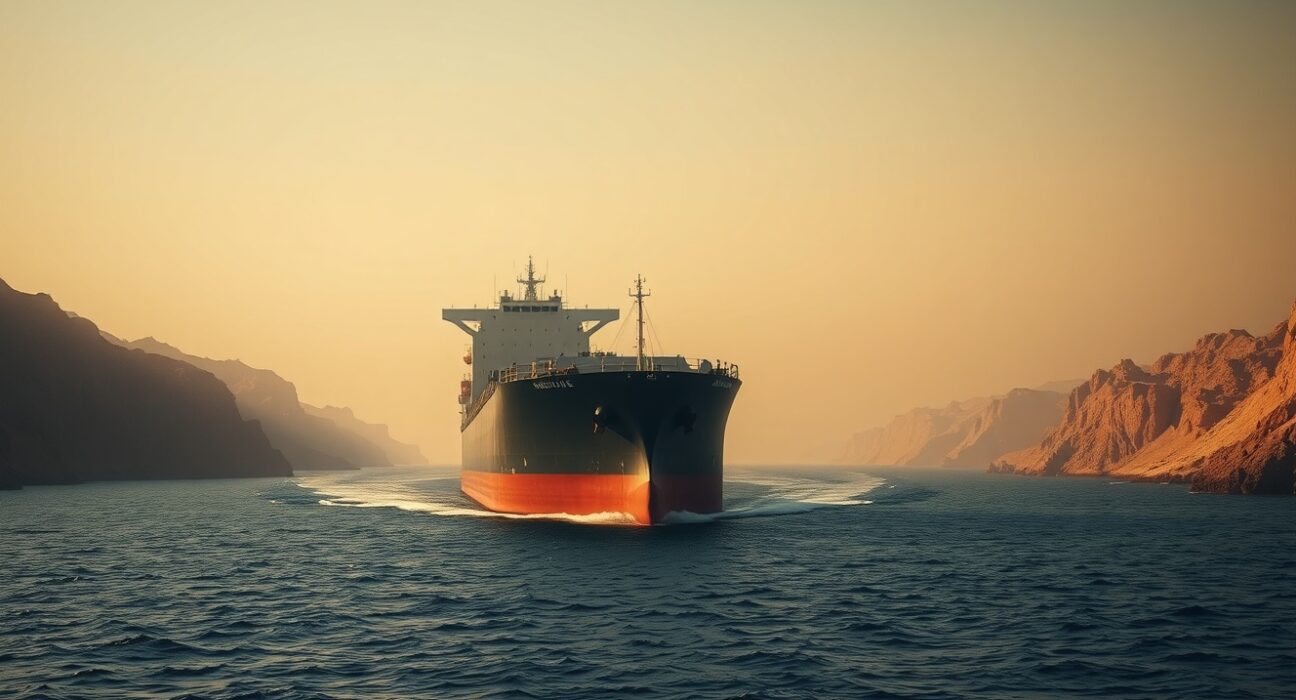
West Texas Intermediate (WTI) crude oil prices climbed above $87 per barrel on [current date], as escalating hostilities in the Middle East raised the risk of disruptions to key maritime chokepoints that handle a significant portion of global oil shipments. The latest price move reflects mounting market anxiety over potential supply constraints in a region already strained by geopolitical tensions.
Conflict Escalation and Supply Route Risks
The price surge is directly linked to the broadening conflict in the Middle East, which has increasingly threatened strategic waterways such as the Strait of Hormuz and the Bab el-Mandeb. These chokepoints are vital for the transit of crude oil and liquefied natural gas from major producers in the Persian Gulf and the Red Sea. Any disruption, whether from military action, naval blockades, or retaliatory strikes, could quickly remove millions of barrels per day from the global market.
Analysts note that while no direct blockade has been confirmed, the mere perception of risk is enough to drive speculative buying and push prices higher. The market is also reacting to the possibility of supply chain delays and increased insurance premiums for tankers operating in the region.
Market Response and Broader Implications
The $87 threshold represents a notable psychological level for traders, signaling that the market is pricing in a tangible risk premium. This move comes alongside a broader rally in energy commodities, with Brent crude also posting gains. The price increase has immediate implications for consumers, as higher crude costs typically translate to elevated gasoline, diesel, and heating oil prices within weeks.
For economies already grappling with inflationary pressures, a sustained oil price spike could complicate central bank policy decisions. Import-dependent nations, particularly in Asia and Europe, are most vulnerable to supply-side shocks originating from the Middle East.
What This Means for Energy Security
The current situation underscores the persistent vulnerability of global energy markets to geopolitical flashpoints. It also reignites discussions around energy diversification, strategic petroleum reserves, and the long-term shift toward alternative energy sources. For now, traders are closely monitoring diplomatic channels and any signs of de-escalation, which could quickly reverse the price trajectory.
Conclusion
WTI crude oil’s climb above $87 per barrel is a direct market response to heightened geopolitical risk in the Middle East, particularly concerning critical maritime chokepoints. While the situation remains fluid, the price action highlights the fragility of global oil supply chains and the immediate financial impact on consumers and economies worldwide. Continued monitoring of conflict developments and diplomatic efforts will be essential for assessing future price direction.
FAQs
Q1: Why did WTI oil prices rise above $87?
A1: The price increase is primarily driven by escalating conflict in the Middle East, which threatens key maritime chokepoints like the Strait of Hormuz, raising fears of supply disruptions.
Q2: Which chokepoints are most at risk?
A2: The Strait of Hormuz (connecting the Persian Gulf to the Gulf of Oman) and the Bab el-Mandeb (connecting the Red Sea to the Gulf of Aden) are the most critical chokepoints currently under threat.
Q3: How will higher oil prices affect consumers?
A3: Higher crude oil prices typically lead to increased costs for gasoline, diesel, and heating oil within a few weeks, adding to inflationary pressures for households and businesses.
Disclaimer: The information provided is not trading advice, Bitcoinworld.co.in holds no liability for any investments made based on the information provided on this page. We strongly recommend independent research and/or consultation with a qualified professional before making any investment decisions.
