

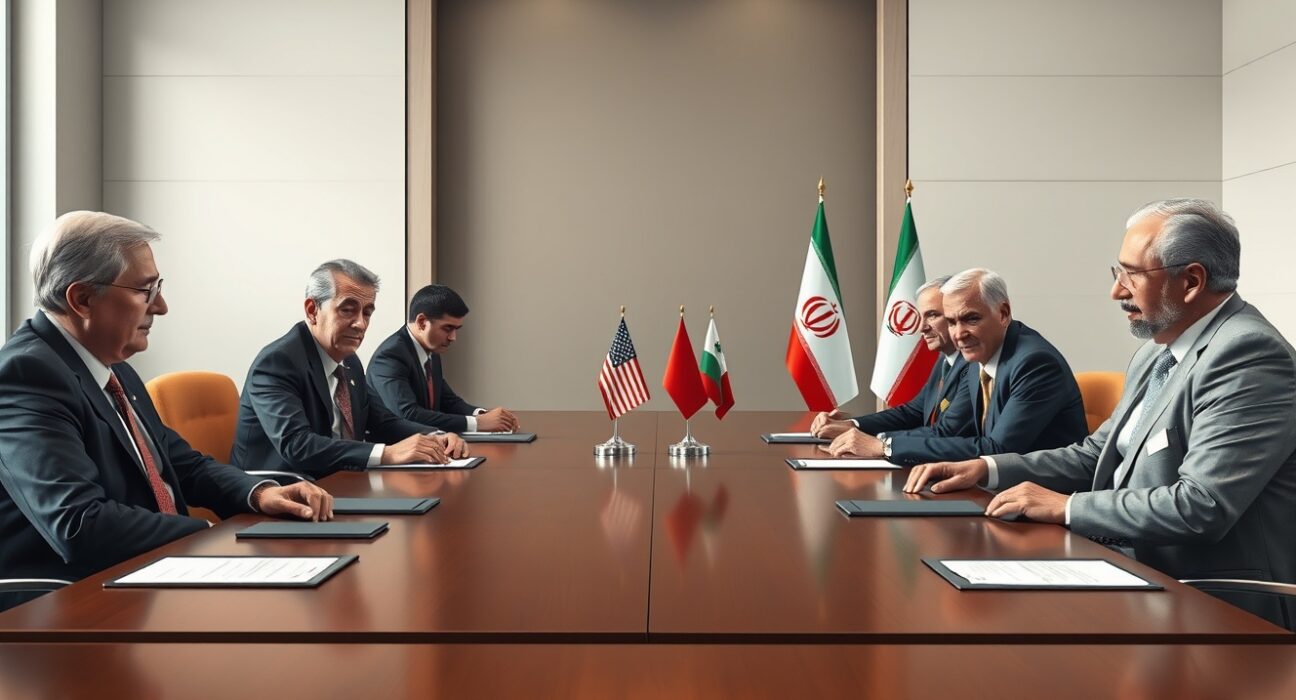
In a significant development for international diplomacy, delegations from the United States and the Islamic Republic of Iran have commenced direct negotiations in Vienna, Austria, as confirmed by multiple news agencies including Xinhua on April 10, 2025. This resumption of high-level dialogue marks a pivotal juncture following years of heightened tensions and stalled diplomatic efforts concerning Iran’s nuclear program and regional activities.
US Iran Negotiations: Context and Stakes
The current round of US Iran negotiations represents the most substantial diplomatic engagement between the two nations in over two years. Consequently, international observers are closely monitoring these talks for signs of progress. The primary framework under discussion remains the Joint Comprehensive Plan of Action (JCPOA), commonly known as the Iran nuclear deal. However, the agenda has reportedly expanded to address broader regional security concerns.
Key issues on the table include:
- Nuclear Compliance: Verification mechanisms for Iran’s uranium enrichment levels and stockpiles.
- Sanctions Relief: The scope and sequencing of economic sanctions removal by the United States.
- Regional Proxy Activities: Discussions on Iran’s support for groups across the Middle East.
- Guarantees: Assurances for both parties to prevent future agreement collapses.
These negotiations occur against a complex geopolitical backdrop. Regional stability in the Middle East remains fragile. Therefore, the outcome of these talks carries profound implications for global energy markets and non-proliferation efforts.
Historical Timeline of Diplomatic Efforts
Understanding the current US Iran negotiations requires examining the turbulent history between the two countries. Diplomatic relations severed in 1980 following the Iranian Revolution. Subsequently, decades of hostility defined the bilateral relationship. The 2015 JCPOA, negotiated under the Obama administration, provided a temporary diplomatic breakthrough. However, the Trump administration unilaterally withdrew the United States from the agreement in 2018. This decision triggered a series of escalating actions and counteractions.
Recent Diplomatic Timeline:
| 2018 | US withdraws from JCPOA; reimposes stringent sanctions. |
| 2019-2020 | Iran gradually reduces its compliance with JCPOA limits; tensions spike. |
| 2021-2023 | Indirect talks in Vienna see limited progress amid political changes. |
| 2024 | Communications channel opens via European intermediaries. |
| April 2025 | Direct US Iran negotiations officially commence in Vienna. |
This historical context underscores the significance of the present moment. Both nations face considerable domestic and international pressure to achieve a sustainable outcome.
Expert Analysis on Negotiating Positions
Foreign policy analysts highlight the delicate balancing act for both delegations. For the United States, the administration seeks a deal that verifiably blocks Iran’s path to a nuclear weapon. Simultaneously, it must address concerns from allies like Israel and Gulf states regarding Iran’s regional influence. Conversely, Iran’s primary objective remains comprehensive sanctions relief to revive its struggling economy. Furthermore, Iranian officials demand guarantees against future US withdrawal from any agreement.
Dr. Anahita Sharma, a senior fellow at the Center for International Security, notes, “The resumption of direct talks indicates a mutual, albeit cautious, recognition of a stalemate. Neither maximum pressure nor maximum resistance has yielded strategic advantages. Therefore, diplomacy presents the only viable off-ramp.” This expert perspective aligns with the observed shift towards pragmatic engagement from both capitals.
Potential Impacts and Global Reactions
The commencement of US Iran negotiations has elicited varied responses from the international community. European Union members, particularly France, Germany, and the United Kingdom (the E3), have welcomed the talks. They have long advocated for a diplomatic solution to preserve the non-proliferation architecture. Meanwhile, regional actors exhibit more caution. Israel has reiterated its stance that it will oppose any agreement it perceives as insufficient. Conversely, Gulf Arab states have expressed a desire for de-escalation but remain wary of Iran’s intentions.
Potential global impacts include:
- Energy Markets: A successful deal could see Iranian oil return to global markets, potentially stabilizing prices.
- Non-Proliferation: Strengthening the global regime against nuclear weapons development.
- Regional Dynamics: Possibly reducing proxy conflicts in Yemen, Syria, and Iraq.
- US Foreign Policy: Affecting Washington’s strategic posture in the Middle East.
The negotiations are expected to proceed in multiple rounds. Accordingly, immediate breakthroughs remain unlikely. Both sides will likely test each other’s resolve and flexibility in these initial sessions.
Conclusion
The initiation of direct US Iran negotiations in Vienna marks a critical diplomatic opening after years of confrontation. While significant hurdles persist, the mere act of sitting at the same table represents a strategic shift. The world now watches to see if these talks can translate into tangible agreements that enhance regional security and global non-proliferation goals. The path forward will require substantial political will, technical precision, and a shared commitment to a stable outcome from both Washington and Tehran.
FAQs
Q1: Where are the US Iran negotiations taking place?
The current round of direct talks is being held in Vienna, Austria, a neutral location that has historically hosted such diplomatic engagements.
Q2: What is the main goal of these negotiations?
The primary goal is to find a mutually acceptable path to restore compliance with the 2015 nuclear deal (JCPOA) and address related regional security issues.
Q3: Who is leading the delegations?
While official names are often withheld during sensitive talks, the US delegation is typically led by a senior State Department official, and the Iranian delegation by a senior foreign ministry official or nuclear negotiator.
Q4: How long are these talks expected to last?
Diplomatic negotiations of this complexity are rarely concluded quickly. Experts anticipate a protracted process involving several rounds of talks over weeks or months.
Q5: What happens if these negotiations fail?
A failure to reach a diplomatic solution could lead to a renewed cycle of escalation, including increased uranium enrichment by Iran and tighter sanctions enforcement by the US and its allies, raising the risk of broader conflict.
Disclaimer: The information provided is not trading advice, Bitcoinworld.co.in holds no liability for any investments made based on the information provided on this page. We strongly recommend independent research and/or consultation with a qualified professional before making any investment decisions.
