

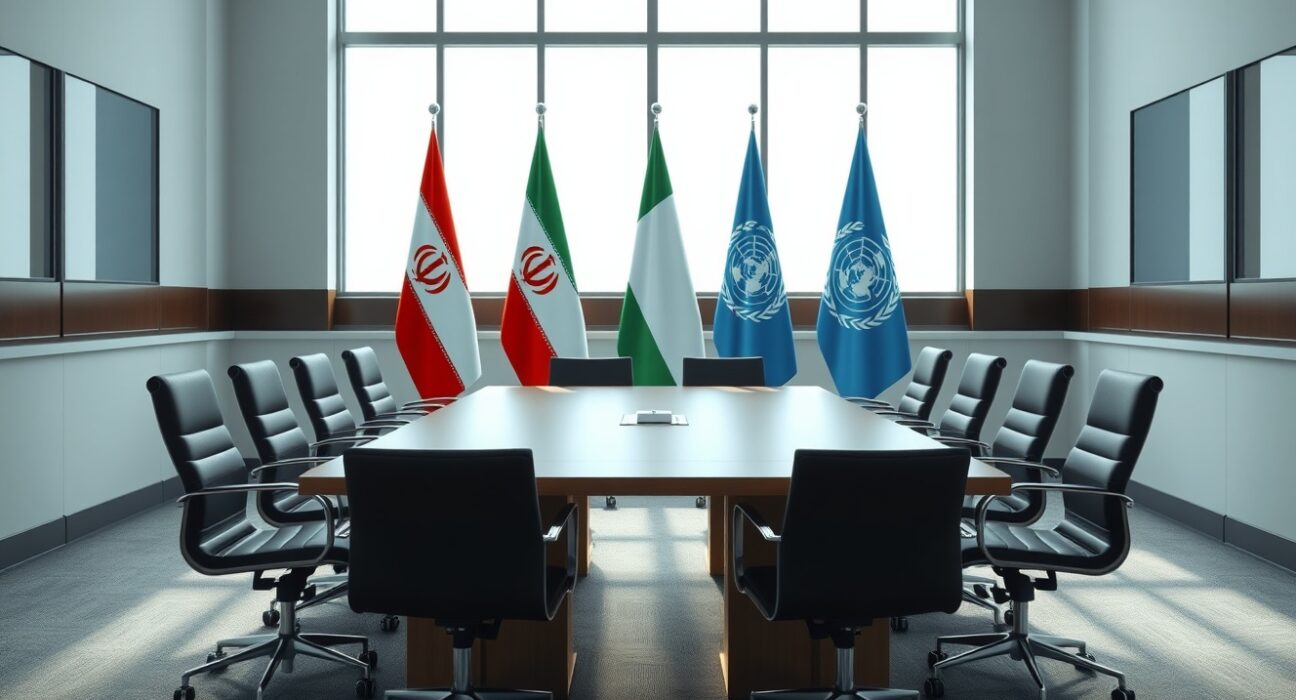
Iran has indicated a renewed willingness to discuss its nuclear program and uranium enrichment activities as part of a broader negotiation aimed at securing the lifting of international sanctions. The statement, reported by state-affiliated media, marks a potential shift in Tehran’s diplomatic posture amid ongoing economic pressure and stalled talks with world powers.
Background of the Nuclear Stalemate
The Joint Comprehensive Plan of Action (JCPOA), signed in 2015 between Iran and the P5+1 (the United States, United Kingdom, France, Russia, China, and Germany), limited Iran’s uranium enrichment in exchange for sanctions relief. The United States withdrew from the agreement in 2018 under the Trump administration, reimposing sweeping sanctions. Iran responded by exceeding enrichment limits, stockpiling enriched uranium, and restricting international inspections. Diplomatic efforts to revive the deal have largely stalled since 2022, with both sides demanding concessions.
What Iran’s Latest Statement Signals
According to reports, Iranian officials have expressed a conditional openness to addressing concerns over uranium enrichment levels and the scope of its nuclear activities. The key condition remains the complete and verifiable removal of sanctions. While the statement does not represent a formal policy change, it suggests that Tehran may be seeking a diplomatic off-ramp as inflation and unemployment rise domestically.
Economic Pressures Driving the Shift
Iran’s economy has been severely impacted by sanctions, with oil exports curtailed, inflation exceeding 40%, and the rial depreciating significantly. The government faces growing public discontent over economic hardship. A negotiated sanctions relief could provide much-needed revenue and stabilize the currency. However, hardliners within Iran’s political structure remain skeptical of Western commitments, citing the U.S. withdrawal from the JCPOA as a breach of trust.
International Reactions and Next Steps
The United States and European Union have maintained a policy of maximum pressure while leaving the door open for diplomacy. The International Atomic Energy Agency (IAEA) continues to report that Iran’s enriched uranium stockpile far exceeds JCPOA limits, though no evidence of weaponization has been publicly confirmed. Analysts suggest that any new agreement would likely require more stringent verification mechanisms and longer enrichment restrictions than the original deal. Direct talks between U.S. and Iranian officials, possibly mediated by Gulf states or the European Union, could be a next step.
Conclusion
Iran’s latest overture on nuclear negotiations represents a cautious but notable diplomatic signal. Whether it leads to substantive talks depends on mutual trust, domestic political dynamics in both Tehran and Washington, and the ability to craft a framework that addresses enrichment limits, sanctions relief, and regional security concerns. For now, the ball remains in the court of diplomacy, with economic realities pushing both sides toward the negotiating table.
FAQs
Q1: What is the JCPOA?
The Joint Comprehensive Plan of Action is a 2015 agreement between Iran and six world powers that limited Iran’s uranium enrichment in exchange for lifting economic sanctions.
Q2: Why did the U.S. leave the deal?
The United States withdrew in 2018, arguing the deal did not address Iran’s ballistic missile program or regional activities, and that it provided too much sanctions relief too quickly.
Q3: What does Iran want in exchange for nuclear talks?
Iran has stated that any negotiation over its nuclear program must result in the full and verifiable lifting of international sanctions.
Disclaimer: The information provided is not trading advice, Bitcoinworld.co.in holds no liability for any investments made based on the information provided on this page. We strongly recommend independent research and/or consultation with a qualified professional before making any investment decisions.
