

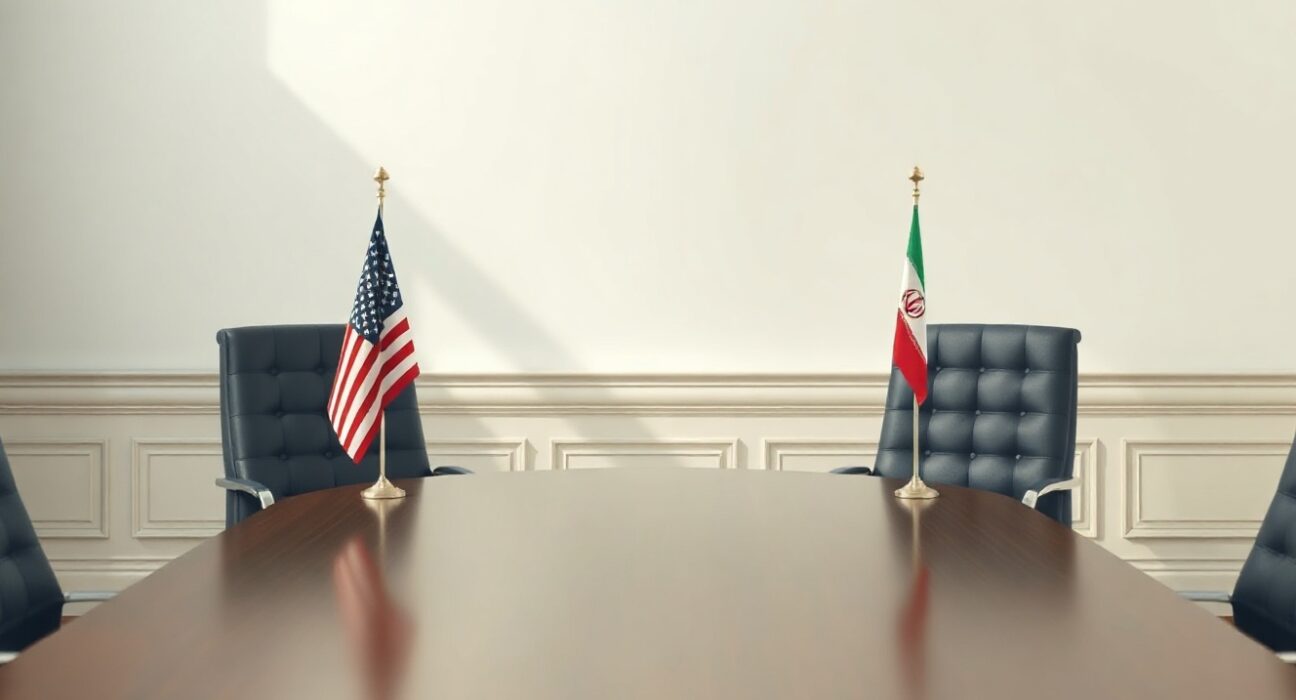
U.S. President Donald Trump announced on June 11 that a comprehensive agreement with Iran regarding its nuclear program is in its final stages, with documents being prepared for a potential signing in Europe this weekend. Trump stated that Vice President JD Vance is scheduled to attend the signing ceremony, and he linked the reopening of the Strait of Hormuz to Iran’s final approval of the deal. Iran has not yet issued an official response to the announcement.
Background and Key Details
The announcement marks a significant development in months of indirect negotiations between the United States and Iran, primarily mediated by European and Gulf state diplomats. The reported agreement aims to place strict limits on Iran’s uranium enrichment activities in exchange for relief from economic sanctions. Trump described the terms as “very good” for both sides, though specific provisions have not been publicly disclosed. The potential signing in Europe, with Vice President Vance representing the U.S., underscores the diplomatic channel’s reliance on neutral ground.
Strategic Implications
The reopening of the Strait of Hormuz, a critical chokepoint for global oil shipments, is a key incentive for international markets. Roughly 20% of the world’s petroleum passes through the strait, and tensions in the region have periodically disrupted shipping. If the deal is signed and implemented, it could stabilize oil prices and reduce geopolitical risk premiums in energy markets. However, the lack of an official response from Tehran introduces uncertainty. Past negotiations have collapsed over verification mechanisms and the scope of sanctions relief.
Market and Regional Impact
For investors and regional stakeholders, the potential deal signals a possible easing of Middle East tensions. Oil prices have already shown volatility following the announcement. Analysts caution that until Iran formally signs, the situation remains fluid. The deal’s success could also influence broader U.S.-Iran relations and the political landscape in the Gulf region.
Conclusion
President Trump’s announcement of a near-final US-Iran nuclear agreement represents a potential turning point in a long-standing geopolitical standoff. The coming days will be critical as the world awaits Iran’s official response and the possible signing ceremony in Europe. The outcome will have direct consequences for global energy markets, regional stability, and the future of non-proliferation efforts.
FAQs
Q1: What is the current status of the US-Iran nuclear deal?
President Trump announced on June 11 that a deal is in its final stages, with documents being prepared for a possible signing in Europe this weekend. Iran has not yet officially responded.
Q2: How does the Strait of Hormuz relate to this agreement?
Trump stated that the Strait of Hormuz would be reopened if Iran signs the agreement. The strait is a vital waterway for global oil shipments, and its security is a major international concern.
Q3: Who will represent the United States at the signing?
Vice President JD Vance is scheduled to attend the signing ceremony in Europe, according to President Trump’s announcement.
Disclaimer: The information provided is not trading advice, Bitcoinworld.co.in holds no liability for any investments made based on the information provided on this page. We strongly recommend independent research and/or consultation with a qualified professional before making any investment decisions.
