

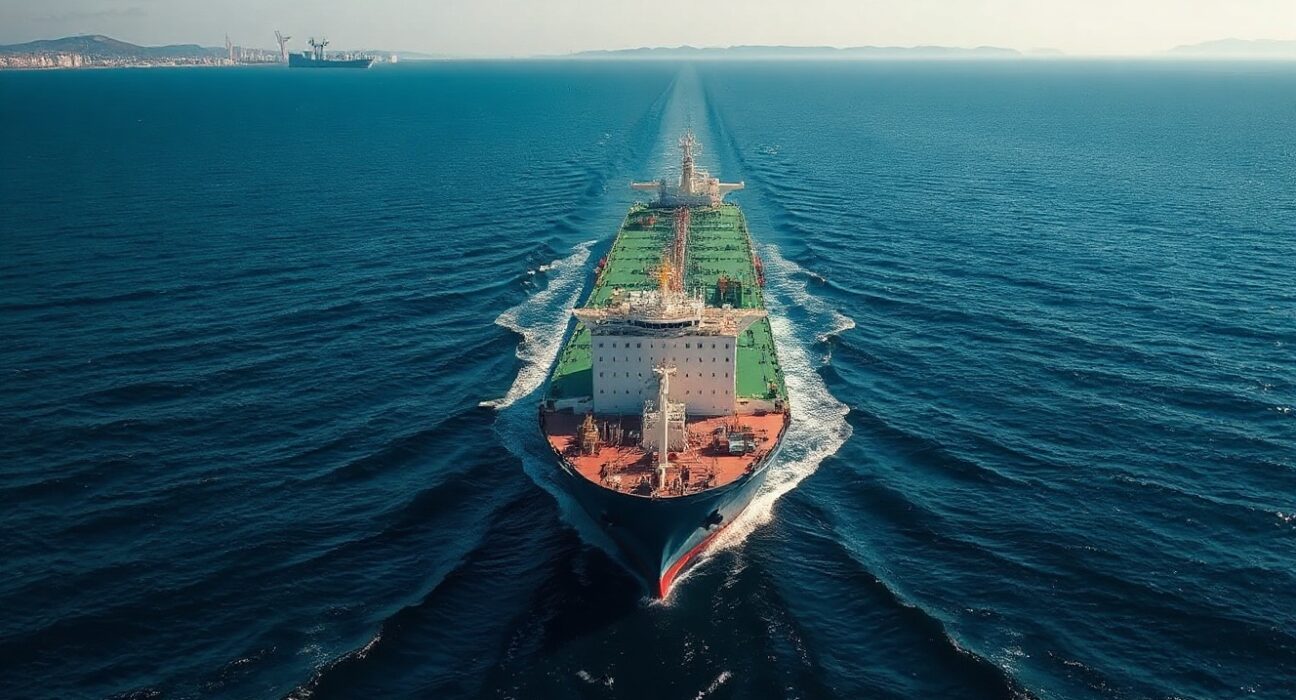
The United States and Iran have reportedly included a provision in their recently signed Memorandum of Understanding (MOU) to reopen the Strait of Hormuz within 30 days, according to the Iranian state-affiliated media outlet Mehr. The development, if confirmed, would mark a significant step toward de-escalating tensions in one of the world’s most critical maritime chokepoints.
Context of the MOU and the Strait’s Strategic Importance
The Strait of Hormuz, a narrow waterway between the Persian Gulf and the Gulf of Oman, handles approximately 20% of the world’s oil consumption. Any disruption to its traffic has immediate and severe implications for global energy markets, shipping costs, and regional stability. The reported clause suggests a mutual commitment to restoring free navigation, which had been threatened by recent military posturing and sanctions-related disputes.
Implications for Global Oil Markets and Trade
News of the potential reopening has already influenced market sentiment, with crude oil futures experiencing a slight decline as traders priced in the possibility of increased supply. Analysts caution that the 30-day timeline is ambitious, given the complex logistics and the need for verification mechanisms. The MOU’s broader framework, which reportedly includes confidence-building measures, could also pave the way for further negotiations on nuclear and sanctions issues.
What This Means for Regional Security
For neighboring Gulf states and key shipping nations, the reopening clause represents a tangible diplomatic achievement. However, skepticism remains high. Previous agreements have faltered due to lack of enforcement and mutual distrust. The success of this provision will depend on transparent monitoring and the political will of both parties to adhere to the timeline.
Conclusion
While the report from Mehr is unconfirmed by U.S. officials, the inclusion of a Strait of Hormuz reopening clause in the U.S.-Iran MOU signals a potential shift toward pragmatic diplomacy. For global markets and regional stability, the next 30 days will be a critical test of whether this provision moves from paper to practice.
FAQs
Q1: What is the Strait of Hormuz, and why is it important?
The Strait of Hormuz is a narrow waterway connecting the Persian Gulf to the Gulf of Oman. It is a vital chokepoint for global oil shipments, with about 20% of the world’s oil passing through it daily.
Q2: What does the reported MOU clause entail?
According to Iranian media, the MOU includes a provision requiring both the U.S. and Iran to take steps to reopen the Strait of Hormuz within 30 days, restoring safe passage for commercial and military vessels.
Q3: How could this affect oil prices?
If implemented, the reopening could increase oil supply stability, potentially lowering prices. However, any delays or breakdowns in the agreement could reintroduce volatility.
Disclaimer: The information provided is not trading advice, Bitcoinworld.co.in holds no liability for any investments made based on the information provided on this page. We strongly recommend independent research and/or consultation with a qualified professional before making any investment decisions.
