

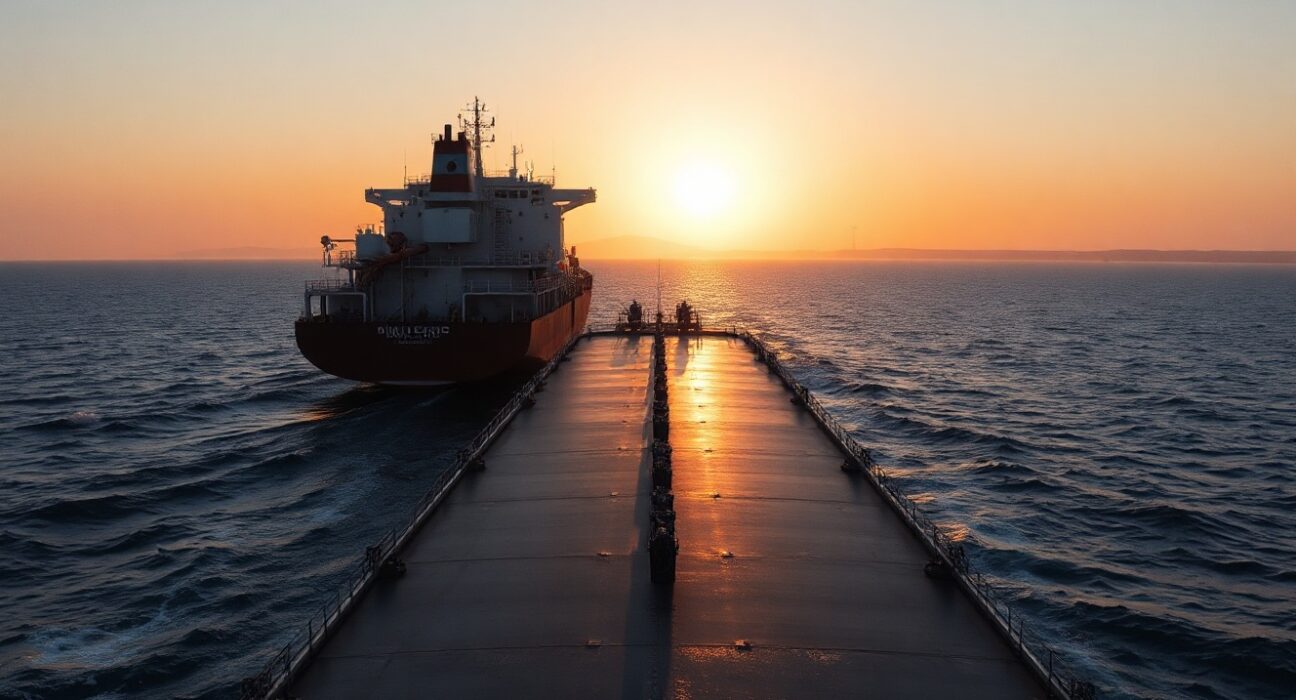
West Texas Intermediate (WTI) crude oil futures surged more than 6% on [Date] as traders reacted to the ongoing uncertainty surrounding the reopening of the Strait of Hormuz, a critical chokepoint for global oil shipments. The spike reflects growing concerns over supply disruptions in one of the world’s most vital maritime routes.
Why the Strait of Hormuz Matters
The Strait of Hormuz, located between Oman and Iran, is a narrow waterway through which approximately 20% of the world’s oil passes daily. Any disruption—whether from geopolitical tensions, military actions, or diplomatic standoffs—has an outsized impact on global energy prices. The recent surge in WTI is a direct response to the lack of clarity on when normal transit through the strait will resume.
As of [Date], no official timeline has been provided for the reopening, leaving traders to price in a prolonged period of risk. This uncertainty is compounded by the fact that major oil producers in the region, including Saudi Arabia, the UAE, and Kuwait, rely heavily on this route for exports to Asia and beyond.
Market Reaction and Price Dynamics
The 6% jump in WTI is one of the largest single-day moves in recent months, signaling that the market is treating the situation as a genuine supply threat. Brent crude, the international benchmark, also saw significant gains, though WTI’s rise was more pronounced due to its sensitivity to U.S. inventory levels and domestic demand.
Analysts point out that the price surge is not just about current supply but also about the risk premium that traders are adding to account for potential escalations. The market is now watching for any diplomatic developments that could ease tensions, as well as for signals from the U.S. Energy Information Administration (EIA) on strategic reserves or production adjustments.
What This Means for Consumers and Businesses
Higher oil prices translate directly to increased costs for gasoline, diesel, and jet fuel, which can ripple through the economy. For consumers, this could mean higher prices at the pump in the coming weeks. For businesses, particularly those in transportation and logistics, the cost pressure may lead to higher operational expenses and, ultimately, higher prices for goods and services.
The situation also highlights the fragility of global supply chains and the importance of diversifying energy sources. While the immediate focus is on the Strait of Hormuz, the longer-term lesson is the need for resilience in energy infrastructure.
Conclusion
The 6% surge in WTI crude oil underscores the market’s acute sensitivity to geopolitical risks in the Strait of Hormuz. With the reopening still uncertain, traders and consumers alike must brace for potential volatility. The situation remains fluid, and any news on diplomatic efforts or military posture could shift prices sharply. For now, the world watches and waits.
FAQs
Q1: What is the Strait of Hormuz and why is it important?
The Strait of Hormuz is a narrow waterway between Oman and Iran, through which about 20% of global oil consumption passes. It is a critical chokepoint for oil tankers, making it vital to global energy security.
Q2: How does the Strait of Hormuz uncertainty affect oil prices?
Uncertainty about the strait’s reopening creates a supply risk premium, causing traders to bid up oil prices. The potential for prolonged disruption leads to higher prices for WTI and Brent, which then impact consumer fuel costs.
Q3: What could cause the Strait of Hormuz to reopen?
Reopening would likely require a diplomatic resolution or de-escalation of tensions in the region. This could involve negotiations, international mediation, or changes in military posture. Until then, the situation remains uncertain, and prices may stay elevated.
Disclaimer: The information provided is not trading advice, Bitcoinworld.co.in holds no liability for any investments made based on the information provided on this page. We strongly recommend independent research and/or consultation with a qualified professional before making any investment decisions.
