

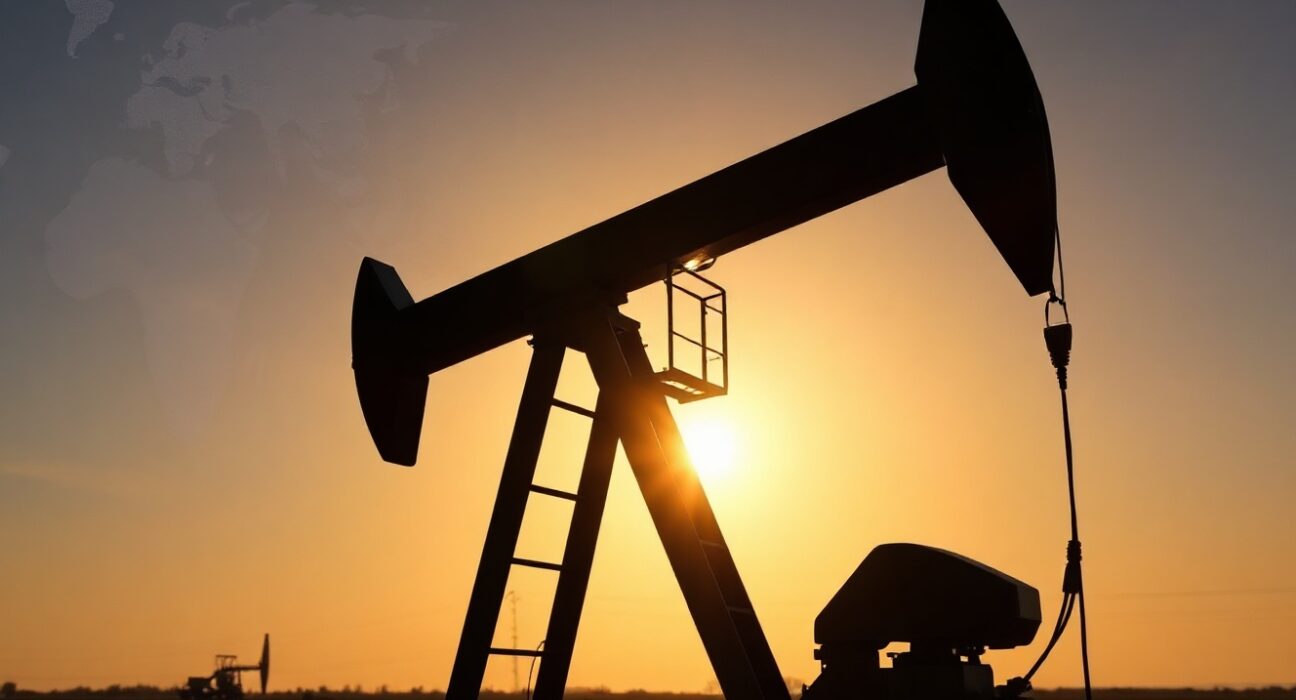
West Texas Intermediate (WTI) crude oil traded around $81.50 per barrel on [Date], as diplomatic efforts between the United States and Iran over a renewed nuclear agreement hit an impasse, reigniting concerns about supply disruptions in the Middle East.
Why the Stalled Talks Matter for Oil Prices
The negotiations, which have been ongoing for months, aim to curb Iran’s nuclear program in exchange for lifting economic sanctions that have severely limited its oil exports. A breakthrough would likely bring hundreds of thousands of barrels of Iranian crude back to global markets, easing supply pressures. However, with talks now stalled, traders are pricing in the possibility of prolonged sanctions and continued tight supply, supporting WTI prices near the $81.50 level.
Market Context and Supply Fundamentals
Oil prices have been underpinned by a combination of factors, including OPEC+ production cuts, robust demand in key consuming regions, and geopolitical tensions. The stalling of US-Iran talks adds a layer of uncertainty, as any escalation could threaten shipping routes in the Strait of Hormuz, through which about 20% of global oil passes. Analysts note that the market remains sensitive to headlines from the negotiations, with price swings expected in either direction depending on progress or breakdown.
What This Means for Consumers and Businesses
For consumers, sustained WTI prices above $80 could translate into higher gasoline and heating costs, affecting household budgets. For businesses, particularly in transportation and manufacturing, elevated crude prices squeeze margins and may lead to higher input costs. The stalled talks also complicate the global inflation outlook, as energy prices remain a key driver of consumer price indices worldwide.
Conclusion
WTI crude’s stability near $81.50 reflects a market caught between supply constraints and geopolitical risk. The stalled US-Iran talks are a critical variable, with the potential to shift prices sharply if negotiations resume or deteriorate. For now, traders and consumers alike are watching diplomatic channels closely, aware that the outcome will have direct consequences for global energy prices and economic activity.
FAQs
Q1: Why did the US-Iran talks stall?
The talks stalled over key disagreements, reportedly including the scope of sanctions relief and Iran’s nuclear enrichment activities. Both sides have expressed willingness to continue negotiations but have not yet bridged the gaps.
Q2: How would a successful deal affect oil prices?
If a deal is reached and sanctions are lifted, Iran could increase oil exports by an estimated 1-1.5 million barrels per day, which would likely put downward pressure on prices by increasing global supply.
Q3: What are the immediate risks to oil supply?
Immediate risks include potential escalation in the Middle East, which could threaten shipping lanes and infrastructure. Additionally, OPEC+ production cuts remain in place, keeping supply relatively tight even without geopolitical disruptions.
Disclaimer: The information provided is not trading advice, Bitcoinworld.co.in holds no liability for any investments made based on the information provided on this page. We strongly recommend independent research and/or consultation with a qualified professional before making any investment decisions.
